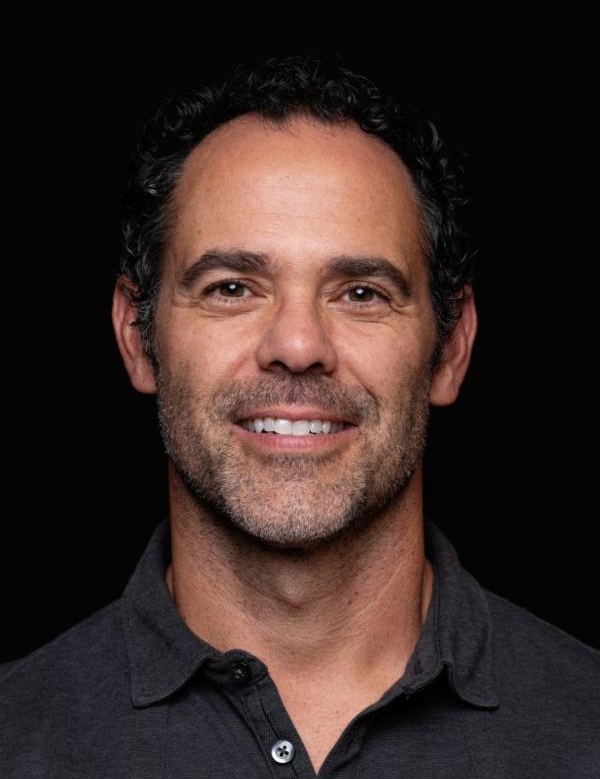
Mike Ormsbee
Distinguished and endowed professor of nutrition/exercise physiology and Executive Director of the Institute of Sports Sciences and Medicine at Florida State University, known for research on pre-sleep protein, fat metabolism, and body composition.
3
APPEARANCES
3
PODCASTS
Oct 27, 2026

Gabrielle LyonHOST
Did sleep change for them? Was there any changes in sleep or other kinds of outcomes? I'm glad

Mike OrmsbeeGUEST
So about halfway through, we realized we probably should have had sleep in this study.
Mike OrmsbeeGUEST
And so Lainey Thompson, one of the PhD students working for Bob Hickner, decided to make that her thing.
Mike OrmsbeeGUEST
She added ring measurements for the women who want to add that on to their already full schedule of testing with us.
12 MINS LATER


Ethan SupleeHOST
So how do you communicate with people to formulate a long-term plan that's going to be able to be maintained.
Mike OrmsbeeGUEST
I'll tell you what, one of the first studies I've ever gotten involved with, it was at Skidmore College in upstate New York.
10 MINS LATER
Ethan SupleeHOST
I want to know if it does exercise, does it changing your diet change the way you burn or store fat? Yeah,

Mike OrmsbeeGUEST
Do not eat or definitely do eat, or it's just total calories that matters, or it's just timing that matters for weight management or body comp management or, or what have you.
Mike OrmsbeeGUEST
But our story began early on, it was one of the first studies I ever ran independently, was that was a pre-sleep feeding study.
Mike OrmsbeeGUEST
And it started because we just were looking around the room and seeing in real life people who were physically active or athletes, either one, just highly physically active people.
Mike OrmsbeeGUEST
And then just myself going through all the experience we just talked about with athletics, I was always eating at night.
Mike OrmsbeeGUEST
And- I didn't ever think it was a problem, but that sort of coincided with The Biggest Loser television show that was on back then, and we saw some of the personal trainers on those shows telling people, "Do not eat after a certain time." You were having cutoffs, and so the very first one we ran, I was like, "What are we doing? They're saying stop.
24 MINS LATER
Jeff HaineHOST
Now that we're on the topic of, of protein, and we've already basically been talking about this the whole time, what, what, what is your kind of like hierarchy when it comes to protein? What are you typically looking at when you look at protein intake for the day?