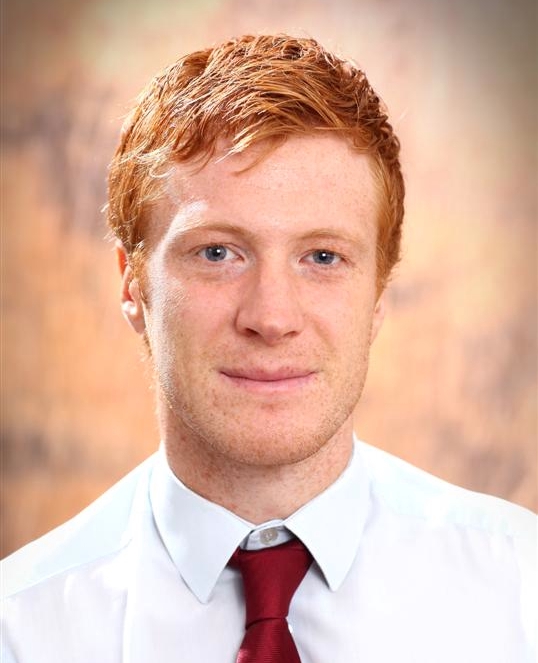
Mike Hobbiss
Mike Hobbiss is a UK psychology teacher, cognitive neuroscience researcher (UCL), and co-author of "How to Teach Psychology," known for his work on attention and test anxiety in education.
1
APPEARANCES
1
PODCASTS
Sep 23, 2026


Bradley BuschHOST
So if I have high test anxiety, am I more likely to do worse in exams, have lower self-esteem? Or does it work the other way around, that bad performance, I tend to worry or get stressed about the things that I'm not very good at?

Mike HobbissGUEST
I saw some really interesting research a couple of years ago by John Jerram, who works at the Institute of Education.
Mike HobbissGUEST
He was looking, I think, at GCSE scores and the relationship of test anxiety there.
Mike HobbissGUEST
And he basically found that there was no relationship between how well you did on your GCSEs and test anxiety.
Mike HobbissGUEST
So if we sort of just unpack that, what's the sort of, that could indicate, or maybe test anxiety doesn't affect academic attainment at all, but actually I think probably more likely what it suggests is that that effect is across the whole distribution.
8 MINS LATER