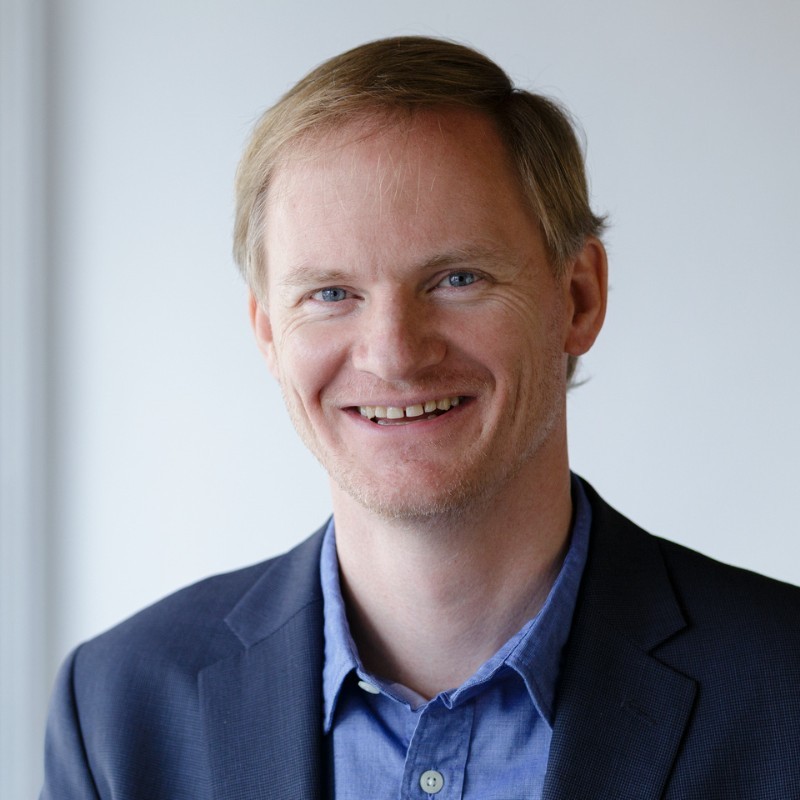
Mike Belshe
CEO of BitGo
23
APPEARANCES
17
PODCASTS
Oct 10, 2026


Mike BelsheGUEST
There's trust, there's checking accounts, there's services, there's lending, all kinds of things.
9 MINS LATER
speaker_0HOST
Anyway, I don't

Sean HaganHOST
Um, and, and from your perspective and from what you're hearing in these conversations and what you're observing, what needs to change in the US regulatory framework, besides just clarity, for America to actually lead in digital assets?
Mike BelsheGUEST
Well, remember, like, this group here, and most of your audience, is the people that have already started to learn about digital assets and what are they and, you know, Bitcoin and stablecoin, et cetera.
Mike BelsheGUEST
You know, as part of that process, you meet with all of these traditional investors that frankly, they're kinda newbies to the digital asset space.
Sean HaganHOST
Why does the cons- or why ought the consumer care about tokenized, uh, securities or tokenized equities?


Vlad CosteaHOST
you believe that if Bitcoiners sat together and just decided to have a conservative block size increase and there was never a Bitcoin cash or Bitcoin SV or whatever, would we be better off today? Or do you think that the split was inevitable?
Mike BelsheGUEST
Well, just to be clear on kind of what happened, because I think it gets portrayed almost from a religious perspective, and it doesn't necessarily need to.
34 MINS LATER

Mike BelsheGUEST
And then you had this problem of like, well, that looks like a reputable guy that's going to hold my money.
Mike BelsheGUEST
He says he's a bank, but like, What if he runs away? And were there rug pulls in the 1800s? Absolutely there were rug pulls from folks posing to be banks.

Stephan LiveraHOST
So on the Bitco wallet side or the self-custody side, can you talk to us about how that's working? Is there, can you use like a hardware wallet with that or is it more just like a phone and a server or what's the model there?

Mike BelsheGUEST
You still wouldn't do it, right? And 100 years ago plus, the world moved away from holding onto your own gold coins and your old cash.
Mike BelsheGUEST
And do you think it took time to build the trust around like, well, wait, how do I use these things? Of course it did.
7 MINS LATER

Natalie BrunellHOST
But how do you see as Bitcoin evolves, like what percentage of people are going to self-custody versus trust a custodian?


Scott MelkerHOST
Meanwhile, you have, by the way, everybody close to it on TV saying it's getting done.
Mike BelsheGUEST
When you let these things linger, people just kind of get tired and they get skeptical that it's going to pass.
Mike BelsheGUEST
To be honest, it's really hard for me to read whether it's going to pass or not.
Mike BelsheGUEST
I'm disappointed that Coinbase had a point in time where they said they wanted to withdraw their support for it.
16 MINS LATER


Gareth JenkinsonHOST
What are your general thoughts on the timelines here? And what are your overall like what's your overall thesis in terms of what clarity will mean in terms of the crypto industry in general? Is it going to kick off this sort of Wall Street super cycle that a lot of people have been talking about, especially with this move towards tokenized equities on exchanges like Bitcoin, for example?
Mike BelsheGUEST
Well, we get some we get excited about particular silver bullets that can solve all problems.
Mike BelsheGUEST
It sets basically You know, a lot of work and rulemaking to be done by CFTC and others that hasn't been started yet because the law hasn't even been passed.
22 MINS LATER

Spencer NicholsHOST
But really, like, what is the temperature check for, for that uptake currently?
Mike BelsheGUEST
Well, look, we, we just talked about how quantum can really inhibit the adoption of a Bitcoin.
Mike BelsheGUEST
The good thing about stablecoins, they're really easy to understand, right? So first you had to kind of understand that there's this blockchain primitive which allows you to kinda move this value around seamlessly very quickly.
Mike BelsheGUEST
But then the idea of a one-to-one, uh, correlation between the, the stablecoin and the dollar, that's super easy to understand.
Mike BelsheGUEST
It was not only easy for people to understand from a how it works perspective, but it was also pretty easy for legislators to understand how they might regulate it.
25 MINS LATER
Spencer NicholsHOST
But I think, uh, you know, yourself being right at where this is taking place could offer some insights.

MikaHOST
I am so glad you said the pronunciation of that moniker for it because I was wondering is it is it my good so it's Mika for the average investor at home what is that you know what does that mean for especially for the U.S. investor how should they interpret that you know is it a signal
Mike BelsheGUEST
I mean, I think it tells America, our legislators, that we need to get our act in gear and make sure that we have a legislative path forward.
Mike BelsheGUEST
I'm a technologist by background, not a financier, but I find it odd that we have an asset class that needs special type of consideration just in order to be able to be handled in our existing markets.
Mike BelsheGUEST
I naively thought long ago that it's the activity that you do which should be regulated in particular ways, not necessarily the asset itself.
Mike BelsheGUEST
Certainly, crypto assets bring a few new challenges to the table, but most of what we're talking about when you're talking about trading, you're talking about broker-dealer activity, you're talking about custody activity, you're talking about exchanges, is not new.
MikaHOST
Mike, what would you want to see on the regulatory front here in the U.S.?

Mike BelsheGUEST
And frankly, you know, the banking era that we have was invented a very long time ago, and it's inundated with regulatory rules, safety and soundness, which apply to when you're taking deposits from people, retail, and lending them out and taking risk, and how do you do that responsibly? With computers, with digital assets, we now have an opportunity to have reserve banks finally take a seat again as a positive thing.

Jennifer SanasieHOST
I mean, we talk so much about Clarity passing, um, soon, hopefully, but what actually changes for you if it passes?
Mike BelsheGUEST
You know, uh, we've already built the regulatory rails to do pretty much all the activities we, we, we wanna do.


Tony EdwardHOST
So with the race of tokenization and different assets getting tokenized, is BitGo seeing a lot of demand from these traditional institutions for custody of tokenized assets?
Mike BelsheGUEST
We just did a, um, we did the work with figure going public on the blockchain, uh, I think in February.
Mike BelsheGUEST
So you've had already the special purpose vehicles, SPV, single asset products, where they create these wrappers.
Mike BelsheGUEST
And these are security, so they can't trade them inside the U.S. And then they give access to non-U.S. people.
22 MINS LATER
Tony EdwardHOST
What do you think happened? Was it kind of macro conditions affected or stunted the bull market? And do you think the four-year cycle continues?

Mike BelsheGUEST
I'd like to point out that the foundation of traditional finance, if you want to call that custody, it's been building for 100 plus years.
14 MINS LATER

Will BeesonHOST
How do you think about the role of intermediaries, intermediation in the future?

Pierre RochardHOST
How is BitGo unique in the service it provides relative to maybe a traditional custodian?
23 MINS LATER


Mike BelsheGUEST
Of course, right? And when we're talking about insurance here, we're talking about FDIC insurance, Federal Depository Insurance Corporation.
Mike BelsheGUEST
Well, wait, but why are they needing that insurance? What is that insurance for? Well, that's depository insurance.
Mike BelsheGUEST
So a depository is one type of bank where they take your money and then they lend it out.
23 MINS LATER


Marc BaumannHOST
How do you separate the political brand risk of that partnership with BitGo's institutional credibility?
Mike BelsheGUEST
I think, you know, my own interest in politics is solely because I'm trying to make my business be successful.
14 MINS LATER
Marc BaumannHOST
mike last question looking forward and now into that new phase that new market phase at least for crypto 20 26 27 what are you personally looking forward to for bitcoin but also personally in in digital assets
Scott MelkerHOST
But, you know, it's going to come from the industry to get sensible views on how that should be structured.
Mike BelsheGUEST
Having spoken to all kinds of participants that have been mostly on the sidelines heretofore, having clarity is really like the government stamp of approval that there's a path forward.
Mike BelsheGUEST
Clarity itself, it clarifies a couple of things, but for the most part, it delegates that out to the CFTC to determine over the next couple of years.
Mike BelsheGUEST
Nonetheless, we think we as an industry would greatly, immensely benefit from having clarity done, even if it's got imperfections.
Mike BelsheGUEST
And we can talk about the stablecoin component In a moment, but but let's talk about market structure market search is something most people don't know quite what it is And you know, it sounds good.
8 MINS LATER
Scott MelkerHOST
So why is stablecoin yield such a big question for the Clarity Act, especially when we just passed the Stablecoin Act, Genius


Jason YanowitzHOST
so you guys were very early back then it was like sto's and things like that so i'm curious how you think about you've got kind of the custody business obviously then you have kind of this trading and financial services side of the business and then there's all the more like very crypto native stuff that you call it like staking and stuff like that how do you think about your business
Mike BelsheGUEST
But on the custodial point, look, I think it's convenient for some competitors to try to push us down into a custodial bucket.
Mike BelsheGUEST
But here's how you know we're not a custodial – We never had a goal of being custodian.
8 MINS LATER

Mike BelsheGUEST
Look, a lot of what we've done over the last, you know, 12 years of our existence is make sure we're as transparent as we can possibly be as a company.
Mike BelsheGUEST
That's meant, you know, how do we audit our technology? How do we do our SOC audits? What insurance do we have? What regulatory background we have? And as you know, we've been constantly upgrading all of these parts.
Mike BelsheGUEST
So this is all part of being ready for the world's largest financial institutions to be able to come into our space.
6 MINS LATER

Akash PasrichaHOST
What does the IPO of 15 years from now look like? I mean, what is your vision for how that process goes? I mean, how you end up raising the money, how the distribution works? Just talk future sense with me.
1:05

What do you tell the folks that are maybe nonbelievers at this point? I mean, what you've seen over the last decade, for example.
Mike BelsheGUEST
What happened is I spent all my career kind of working through the internet era.
4:15
What kind of regulation are you waiting on in 2026, either near term or in the back half that you think will make a difference?

Mike BelsheGUEST
So Bitcoin deserves full credit for having pioneered this space as the first token that we had.
Mike BelsheGUEST
On the payment side, it hasn't gotten a lot of traction there, but it's certainly very clearly a great store of value.
Mike BelsheGUEST
I think all the cryptocurrencies are going to continue to see strength over the long arc of time.
Mike BelsheGUEST
But then on top of that, we now have new use cases, right? So stablecoins, you're very familiar with, may turn out to be an easier payment system for most people because it's one-to-one tied to the price of the dollar.

Kelly EvansHOST
And if you have any point of view on whose kind of chatbot is superior and what that means for the valuations of a lot of these names.

Justin PetersonGUEST
And so I think it's just another asset to be traded and it will be... you know, at some point I think it will become less a unique, you know, less of a disparate asset and more, you know, part of the options that people have when they want to express a view on the market.
Mike BelsheGUEST
What you said about client-centric growth, it reminds me actually a bit about how Silvergate became Silvergate Exchange Network back early on, right? What's Just crypto starts getting bigger and bigger.
Mike BelsheGUEST
And as the volumes got high, all of a sudden, you know, companies like Cumberland had exposure over the weekends where like they, they just had, you know, they either had to decide to stop trading or just, you know, hope things don't go, go, go South.
12 MINS LATER
Jason YanowitzHOST
Mike, what do you think of is the what is the role of a qualified custodian? And if you think like five to ten years into the future, like how are you guys different than kind of an exchange or a brokerage or even like a BNY or a State Street? Like where does BitGo fit in in the future?

Bonnie ChangHOST
is there any crypto insurance in place today or how is it evolving after all these hacks and institutional adoption
Mike BelsheGUEST
People say the word insurance, it's a single word, but it can mean a lot of things.
Mike BelsheGUEST
What does that insurance cover? Does it cover hacks? Does it cover insider thefts? Does it cover natural disasters? These are all different types of insurance that you can get.
Mike BelsheGUEST
If you ask Boney Mellon, they're probably here somewhere, are you guys insured for your I don't know how many trillions of assets.
7 MINS LATER
Scott MelkerHOST
Do you see that as a positive development for the industry, especially as one of those incumbents? Or do you see it as Wall Street kind of infringing on our turf?
Mike BelsheGUEST
Look, we want as many parties being able to participate that are going to do a good job as possible.
Mike BelsheGUEST
Once the regulation is understood by everybody, it allows everybody to participate, whether you're on the buy side or the sell side, the service side, the investment side.
47 MINS LATER