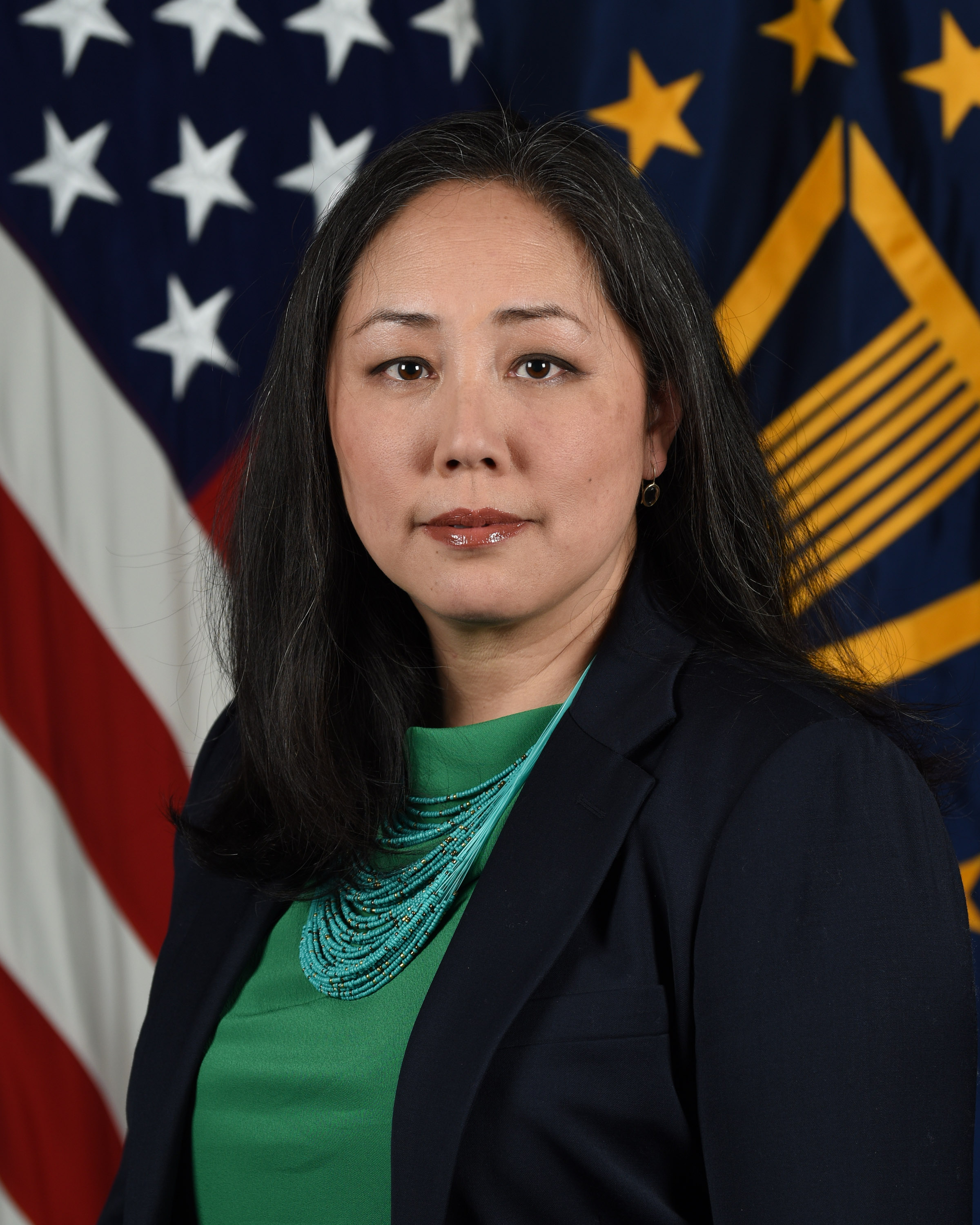
Mieke Eoyang
1
APPEARANCES
1
PODCASTS
May 1, 2026

Kat DuffyMODERATOR
You have that narrative, and then what is your rejoinder to the people who come back and say, "Self-ite tune," like the agentic AI, you know, attacks on Claude, Volt Typhoon, Chinese incursions into critical infrastructure, EVs, they're here to take us over.

Mieke EoyangGUEST
Yeah, I think that, right, um, President Trump was confronted about this, uh, several months ago and said like, "Well, what do you think about Volt Typhoon?" And he was like, "It's a nasty world out there.
Mieke EoyangGUEST
You don't think we're doing it to them?" And like, it's the first time that you've really seen a US president say like, "Hey, you know, w- we're not just playing the victim here.
Mieke EoyangGUEST
We're giving as good as we're getting." Um, and so I think that there is this sort of like presumption amongst a lot of, uh, cybersecurity professionals of like, oh, the Chinese are getting us everywhere.
Mieke EoyangGUEST
And some of the things that are happening is, A, the US is really, really good at what it does.
Mieke EoyangGUEST
Um, but B, China does not have the same attitude towards transparency that the US does in cybersecurity vulnerability.
Mieke EoyangGUEST
So we have this whole cyber industry that's hands-off or at arm's length with the government that is sort of finding and patching vulnerabilities that maybe would be of advantage to a national security person to leave that backdoor unlocked.

Samm SacksGUEST
Is there a commercial advantage to trusting the technology that you're using? And I think in part, you know, can we have a race to the bottom on privacy, for example? Um, maybe some would say this is naive, but it's worth in, it's worth looking at because if you go to some of the third country markets where US and Chinese firms are competing toe-to-toe, I think something that you might hear on the ground is, "Well, I'm choosing between US and Chinese surveillance, so which is gonna be, you know, give me the most bang [chuckles] for my buck," right? And so how can we think about building in, uh, standards in the technology that might make it more appealing at a moment of rising AI sovereignty concerns around the world where there are inc- increasing questions around, um, the relationships between governments and firms, not just in terms of in Beijing, but in Washington.