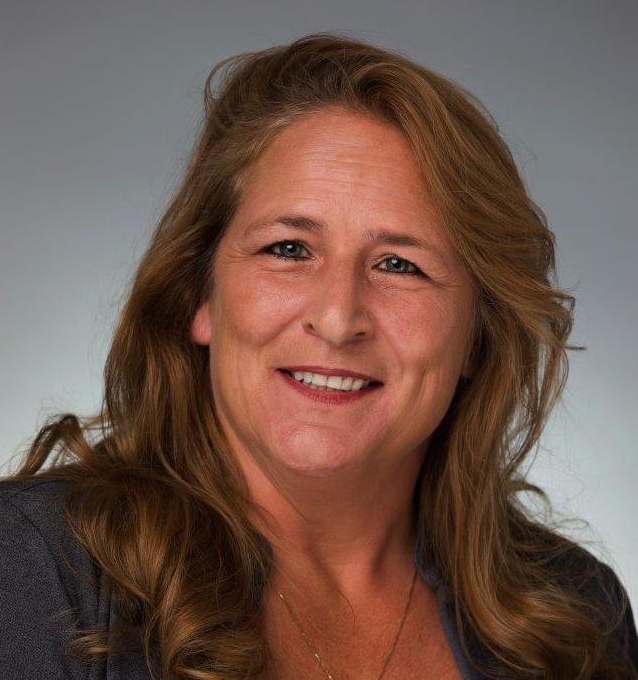
Michelle Lyons
Irish women's health physiotherapist (UCD-trained, 30+ years) and host of the Celebrate Muliebrity podcast; women's health consultant for FIFA.
3
APPEARANCES
3
PODCASTS
Sep 14, 2026


Michelle LyonsGUEST
Um, I think it's really important that we do look at anything that gives women reproductive autonomy and choices, I think is a good thing.
Michelle LyonsGUEST
But I think it's important as well that we don't end up in a situation where female athletes feel that they have to go down a path of egg freezing for the sake of their career because I think, you know, for a long time there was a bit of a motherhood penalty in sports.
Michelle LyonsGUEST
But now, you know what I mean, even looking at the last Olympic cycle, we saw the rise of the mother athlete and lots of athletes hitting PBs after having babies.
Michelle LyonsGUEST
So I think it's really just important, as, as Carly was saying, that we support female athletes throughout, you know, menstrual health, uh, pregnancy, and postpartum.
7 MINS LATER


Kristen ParisiHOST
If we add in MHT, which many of us are doing, myself included, what is the research saying about inflammation, about joint pain? Is there a good tie between those things?
Michelle LyonsGUEST
But what we're seeing is that oestrogen is part of the picture and progesterone, of course, if you still have a uterus, you need to take some form of progesterone, whether that's oral micronized progesterone tablets or using an IUD for uterine protection.
Michelle LyonsGUEST
And what we do know is that for many women, the vasomotor symptoms, those hot flushes and night sweats can be quite disruptive for your sleep.
Michelle LyonsGUEST
And we know that MHT is the gold standard for dealing with vasomotor symptoms.
Michelle LyonsGUEST
But it's really important that we don't blame everything on low estrogen as well, because I was just looking at some research that's literally just come out this week, talking about how one of the biggest, you know, I suppose, drivers of distress during that perimenopausal symptom is actually mood changes and, you know, anxiety, maybe a tendency towards more depressive symptoms and fatigue.
17 MINS LATER
Kristen ParisiHOST
So we've talked about that a number of times on this podcast, but for somebody who has never heard one of my podcasts, can you really talk about the number of things that might happen there and some really great strategies when any one of these start coming up?

Michelle LyonsGUEST
Because for most people, when they talk about doing their Kegels, they think squeeze, squeeze, squeeze, squeeze, squeeze.
Michelle LyonsGUEST
There's no wor- They're basically being told to do this restorative exercise program without the benefit of a skilled assessment.
Michelle LyonsGUEST
Whereas we know that pelvic floor muscle training, do some people need pelvic floor strengthening? Yes.
Michelle LyonsGUEST
Do other people need down training or lengthening or timing or endurance or coordination, or do you need an adjunct supply from the deep hip rotators or the adductors or the abdominals or the breath or the feet? We can go back to the mid-'90s, and I always remember this study from Ingrid Nygard talking about stiff feet in nulliparous athletes causing urinary incontinence, and we bring that all the way forward.
6 MINS LATER