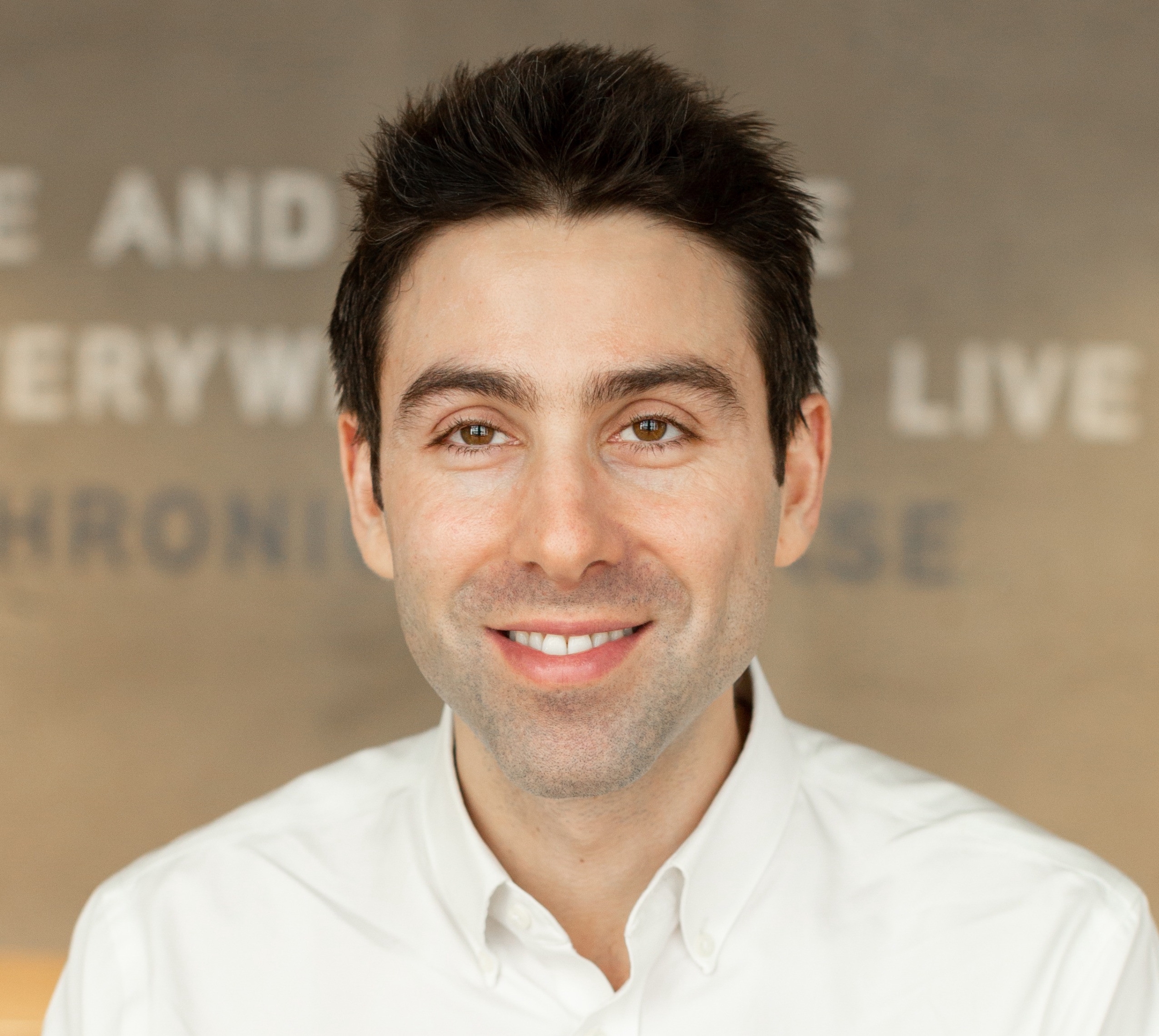
Michael Turken
UCSF internist (MD, MPH) and founder of My Doctor Friend, an AI health companion for patients navigating medical complexity.
3
APPEARANCES
3
PODCASTS
Oct 7, 2026

Roberta LunaHOST
But if a patient wants to ask AI a health question, what information or context should they provide to get the most useful answer?

Michael TurkenGUEST
I think it's almost possibly the most important question you could ask, right? So I think one of the, the-- To start, I can say that the more, generally the more information and context you can give AI, the better an answer you're gonna get.
Michael TurkenGUEST
If you come in with test results, past records, if you have a list of really good, good questions or in, or a, a few sheets of information that summarize your health history, you're gonna get a lot more out of that visit than you otherwise would.
Michael TurkenGUEST
With AI, I think it's e- especially important to provide context, so helping it understand who are you, how old are you, what are your other health issues? If you have a cancer diagnosis, when were you diagnosed? What-- If you have test results that you feel comfortable sharing, whether that's your MRI reports, CT reports, pathology reports, all that information helps the AI reason more, more carefully about the question that you may ask it.
Michael TurkenGUEST
And why it's important for AI is that AI will almost always give you an answer, no matter what information you give it.
8 MINS LATER


Michael TurkenGUEST
And part of, part of how you can use this technology safely is to entertain some of that complexity and say, "Hey, I have a headache.
Michael TurkenGUEST
Could it be something like sleep deprivation? Could it be something else?" And then the, the more questions that you answer, the better this gets.
Michael TurkenGUEST
And I mentioned that My Doctor Friend has these different models, uh, sort of working together.
Michael TurkenGUEST
One of them is always trying to figure out how confident can we be of the response.
Michael TurkenGUEST
So this is a-another thing that we add to our platform, is the model will always share, "Hey, how sure am I of this answer?" By default, we've designed it so that it is never a hundred percent confident, 'cause unfortunately, that's just rarely the way, um, health works.