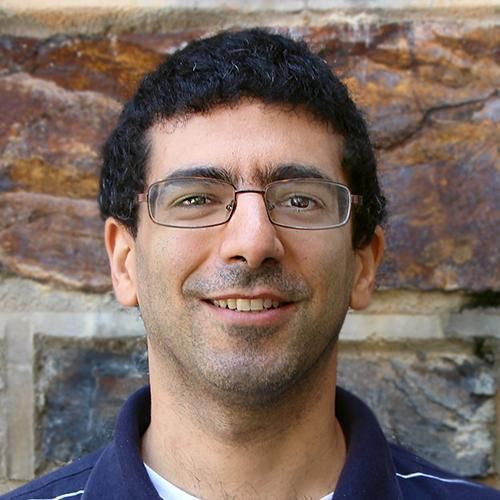
Michael Rizk
Australian physiotherapist and owner of iMove Physiotherapy, founder of iMoveU mentoring for young PTs, and business mentor with Clinic Mastery, recurring guest on the Grow Your Clinic podcast.
6
APPEARANCES
1
PODCASTS
Oct 7, 2026

Michael RizkGUEST
What we've publicly shown on our physio page at iMove and what I've publicly shown on my platform, which has become a recruitment funnel, are the vulnerabilities and transparencies of everyday life as a physio, of everyday life in our clinic, of everyday life as a clinic mastery consultant.
Michael RizkGUEST
And I talk about the real issues with vulnerability, which creates trust, which creates exposure.
Michael RizkGUEST
I feel like that actually forms the in-private conversations and it serves as a filtering mechanism because inevitably the people who come to consult with me in CM have said, oh, I've seen your content on XYZ.
Michael RizkGUEST
It's interesting because I had a lot of close people around me say I have a really high risk threshold or I'm action risk-taking.
Michael RizkGUEST
But when I was reflecting, I've always had a really stable base and foundation.
Michael RizkGUEST
And I would actually say that's low risk tolerance because I've never done or taken an action that's high risk in a place where If it didn't work, I would be in trouble.
13 MINS LATER
Ben LynchHOST
Maybe without disclosing some of the absolute specifics of a recent conversation just before this call, I'd love to know some of the questions you were putting to someone who's advising you about where you're going and how you might think of that in the context of risk and some of the decisions that you might make as a result of that.
Ben LynchHOST
What's your sort of remedy or recommendation for helping clinic owners navigate that proactively?
Michael RizkGUEST
Is this aligned with what we started with? Is this aligned with the things that light you up? And there's normally some very practical, significant changes you can make to someone's ideal week, even when they're in the trough.
Michael RizkGUEST
And often we have this thing is when we're in a trough, that's not the time to make the changes, but it's the opposite.
Michael RizkGUEST
If you can rejig your week so you're more fulfilled and more energetic, you're more likely to get out of a trough.
Michael RizkGUEST
And often these clinic owners are still working ridiculous hours or they're consulting too much or they don't have a four or five hour time block doing the thing that they're great at in their business or they don't have strict time blocks for family and friends and leave.
25 MINS LATER

Jack O'BrienHOST
And it's got a lot of upsides as well as the downsides, yeah? Like, do you wrestle with that type of thought?

Michael RizkGUEST
The person we said no to was phenom-- like ticked every box that you'd want in a young, active, experienced physio, running background, running clinic, and like we're a running cl-- Just like every box was ticked.
Michael RizkGUEST
But we just picked up a lot of, there was a little bit of I language, so like, "I did this.
Michael RizkGUEST
I've built this list." Uh, and the, and the other candidate who had come to CPDs and rucks where we closed for the afternoon and hung out with the team.
17 MINS LATER
Ben LynchHOST
... that's sort of coming to the surface for you, Nick, when it comes to turning around tricky teams or team members on the standards piece?
Michael RizkGUEST
The second one is the North Star exercise, which is try to pick a goal that the patient can achieve that's challenging, that you know makes them stronger, that helps them with the why.
Michael RizkGUEST
So how I'll link these two things together is, hey, Ben, I want you to do a single leg step up with 20 kilos on your back.
10 MINS LATER
Michael RizkGUEST
And I'm like, maybe these guys aren't that successful if they're always at the train station.
Michael RizkGUEST
It's like the obvious one is it turns into clinicians that want to work for you and patients.
Bec ClareHOST
But can I ask, Jack, can I ask Mick, if you're seeing things out there that are being spoken about, so say you're a dietician in our environment and things like the ozempic drugs are really, like they're spoken about a lot, would you leverage and jump on the bandwagon? Similarly, if you're a um pediatric clinic in the ndis space and there's a lot of chatter at the moment in the news about ndis would you leverage any of what's being spoken about in your socials