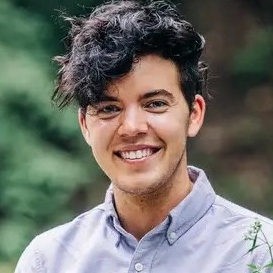
Michael Mantooth
Director of Projects at Lancaster Clean Water Partners and historian of the Conestoga-Susquehannock Tribe.
1
APPEARANCES
1
PODCASTS
Sep 17, 2026


Michael MantoothGUEST
so that's part of the collective advocacy that we're going to talk about here briefly because that letter confirmed that there's initial survivors.
Michael MantoothGUEST
They return, they ask for the land, they're given $300 and sent back to New York.
Michael MantoothGUEST
Now we don't even know legally, right? Like our tribal history is interrupted by the formation of the United States as an independent country.
Michael MantoothGUEST
So now from a legal point of view, like where do you take those land claims? And so in 1845, you see the first formal land claims, which were filed by seven Conestoga descendants who were living and surviving among the Oneida in New York at the time.
Michael MantoothGUEST
But before that, even, you see the collective advocacy come into play because all seven of those same land claimants also signed on to an 1831 agreement claiming that the Oneida would be, you know, quote, good Christian Indians and stay in New York to avoid being removed west, which ultimately did not succeed.
13 MINS LATER