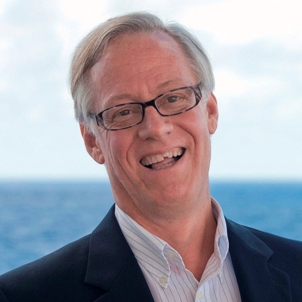
Michael Maniates
Environmental social scientist and author of "The Living-Green Myth" (Polity Press, 2025); Senior Fellow at The Story of Stuff and former Professor of Social Science and Head of Environmental Studies at Yale-NUS College.
3
APPEARANCES
3
PODCASTS
Sep 17, 2026


Michael ManiatesGUEST
And, um, and I was, um, I was a teaching associate for, uh, my former undergraduate professor.
Michael ManiatesGUEST
It's-- 'Cause it's all rooted around this, this, this, this one instance, which is I remember there being, um, a student in class who was quiet and who wouldn't participate really in conversation.
18 MINS LATER

Michael ManiatesGUEST
around environmental issues, again, this begins to become kind of full blown in the mid to late 80s to the point where in 89, 90, that the number of consumer goods on the shelf that had a green kind of buy this and save the world doubled.
Michael ManiatesGUEST
It does feel that way to me to the point now where my students and folks older than them, the only, the easiest way that they sort of imagine acting on the environment is, is, is by buying green products and perhaps feeling in many ways guilty when they kind of slide off that path of perfection because you just can't be perfect.
Michael ManiatesGUEST
But to go back to your question, I, I, In the mid to late 80s and early 90s, I was convinced that if you could just get people to screw in a light bulb today, they'd become energy activists tomorrow.
5 MINS LATER
Mitch RatcliffeHOST
How do you recommend an individual engage with companies or conversely, companies engage with all the individuals they do business with in order to begin to influence policy to get the leverage that you're describing to, for instance, reduce the incidence of microplastics?


Michael ManiatesGUEST
That's one of the, for me, that's one of the more interesting parts of the research project that led to this book is trying to figure out where this story came from.
Michael ManiatesGUEST
That, hey, you know, Michael, if you or your listeners want to change the world, the story says, go out there to the store and buy all these sustainable products.
Michael ManiatesGUEST
And that's going to somehow kind of come together with the behavior of others.
Michael ManiatesGUEST
This is what Julie Shore has called a kind of magical aggregation, which really just doesn't quite cut the mustard.
15 MINS LATER