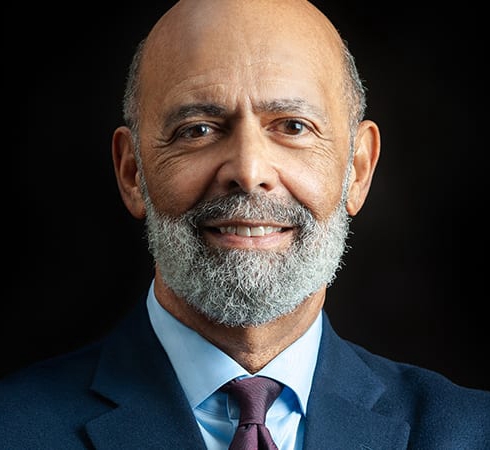
Michael Lomax
Lawyer, mediator, and conflict resolution trainer; Associate Speaker/Trainer with the High Conflict Institute in San Diego, CA; co-author of Mediating High-Conflict Disputes.
1
APPEARANCES
1
PODCASTS
Jun 25, 2026


Megan HunterHOST
Once a leader, or let's say someone in the HR department, a H-- an HR professional, has identified a high-conflict pattern, let's say there's a lot of complaining that, you know, s-something bad has happened, "I'm the victim once again," [chuckles] "It's someone else's fault," or whatever the pattern might be, what usually goes wrong next? Why do smart leaders get pulled into these conflicts?

Michael LomaxGUEST
For people listening, they might worry that, "Do I have to kind of diagnose this person as a high-conflict person and sort of fit them into a bunch of criteria?" No, we don't need to do that.
Michael LomaxGUEST
We can all get upset, and we can all sometimes act out at work, but then realize, "Okay, I sh- I shouldn't have done that." And sometimes situations can overwhelm average people, and sometimes for a long period of time, big organizational restructuring, "I'm worried about losing my job," or other big changes at work, or life events outside work.
Michael LomaxGUEST
All of those things can cause us to show up differently or in problematic ways.
11 MINS LATER
Megan HunterHOST
So what do you see in the workplace? Do you see other ways this is applied, other co-problems it causes?