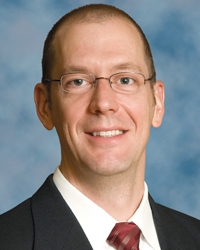
Michael Lawley
Research Group Leader at the Australian e-Health Research Centre, CSIRO, and a leading expert on FHIR and SNOMED CT health informatics standards.
1
APPEARANCES
1
PODCASTS
Aug 30, 2026


Michael LawleyGUEST
I mean, obviously there are lots of risks and I think to some extent there's a multiplier effect.
Michael LawleyGUEST
So some of the risks are just made potentially worse outcomes because things happen faster or at a different scale.
Michael LawleyGUEST
I think some of the things I've heard expressed around the interoperability space are, oh, well, we just use AI to do that.
Michael LawleyGUEST
We don't need structured data anymore because the AI can understand our notes and we're all good.
Michael LawleyGUEST
And not just because there's a lot of domain speciality in there, but also because the structured data provides guide rails and it encodes context and it makes things explicit, so it reduces ambiguity.
10 MINS LATER

Peter BirchHOST
Particularly for Sparked, with all of these things happening, this context around AI and what it means for standards and interoperability, is that happening to Sparked and it needs to respond? Or has it got an opportunity to really shape how it's applied in Australia? What are your initial thoughts on the role of Sparked in all of this, Michael?