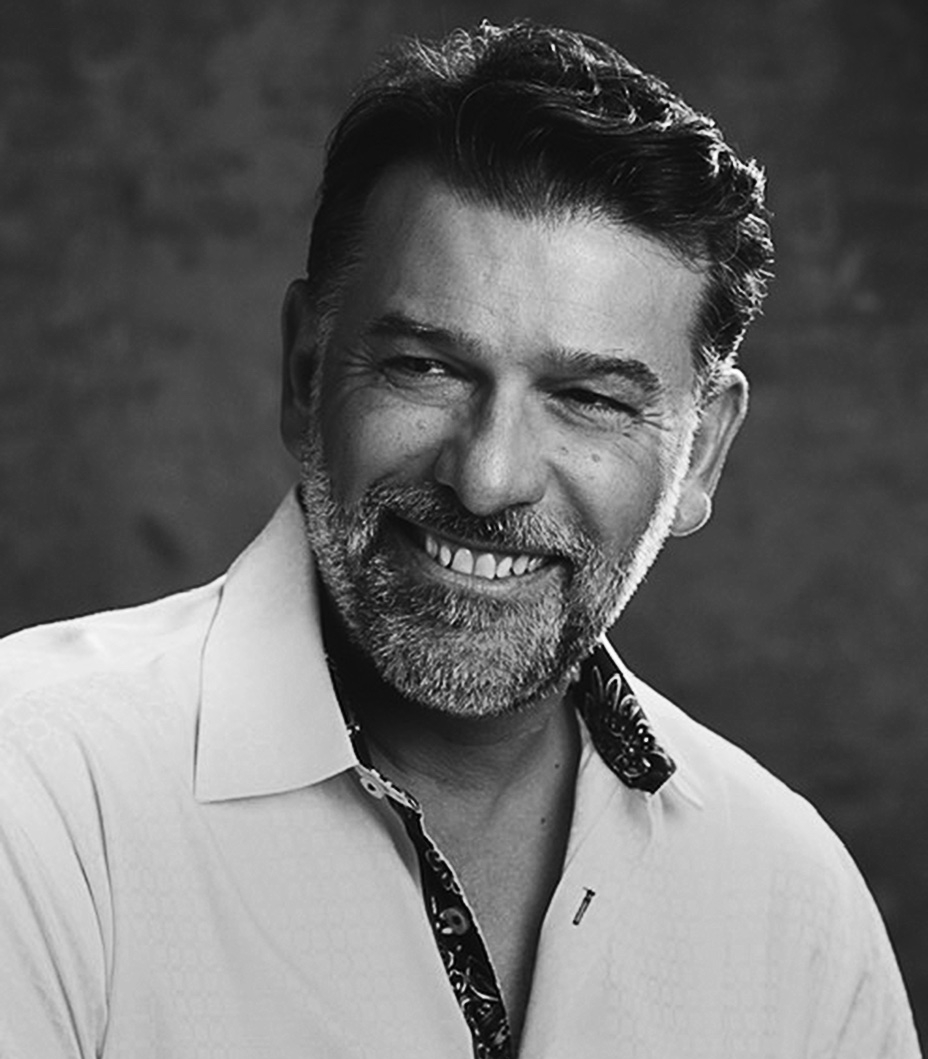
Michael Dailey
Emergency physician and EMS leader; Chief of Prehospital and Operational Medicine and Professor of Emergency Medicine at Albany Medical College.
1
APPEARANCES
1
PODCASTS
Sep 10, 2026


Mike McCabeHOST
Do the doctors really take an interest in what is going on in the street level? And what are you learning from that?

Michael DaileyGUEST
Now, I think more than anything else, you know, as you start to see that the questions coming in, in those meet the medical directors sessions, you know, you'll get really smart questions from some of the EMS providers or clinicians.
Michael DaileyGUEST
And then that will drive the physicians to talk about things in a bunch of different areas.
Michael DaileyGUEST
And then they'll actually throw the questions back to the clinicians in the room saying, hey, what are you thinking? So it gets really, really interesting, you know, One of the people that can really be a firebrand and can cause a lot of controversy, for example, Ben Abo, right, with his cervical collars caused cancer.
Michael DaileyGUEST
But hearing Ben talk about the medicine, or Mike Millen talk about the medicine behind the cervical collars and the research, and then having the medical directors themselves discuss how this is going to impact patient care, and then for the EMS clinicians to then say, yeah, but what happens when we bring that patient into the trauma bay? and that 30-year nurse who's looking for that cervical collar doesn't find it.
Michael DaileyGUEST
And what are they going to do to that poor EMS provider who comes in the door? What's that interaction going to be like? How do we make sure that takes place? And how can we make sure that that's not negative? Each one of these pieces has to be a part of the puzzle.
Mike McCabeHOST
Again, I wonder how frustrating that is to you sometimes to look at this and say, man, I wish I could do this, but there's so much bureaucracy and red tape up here.