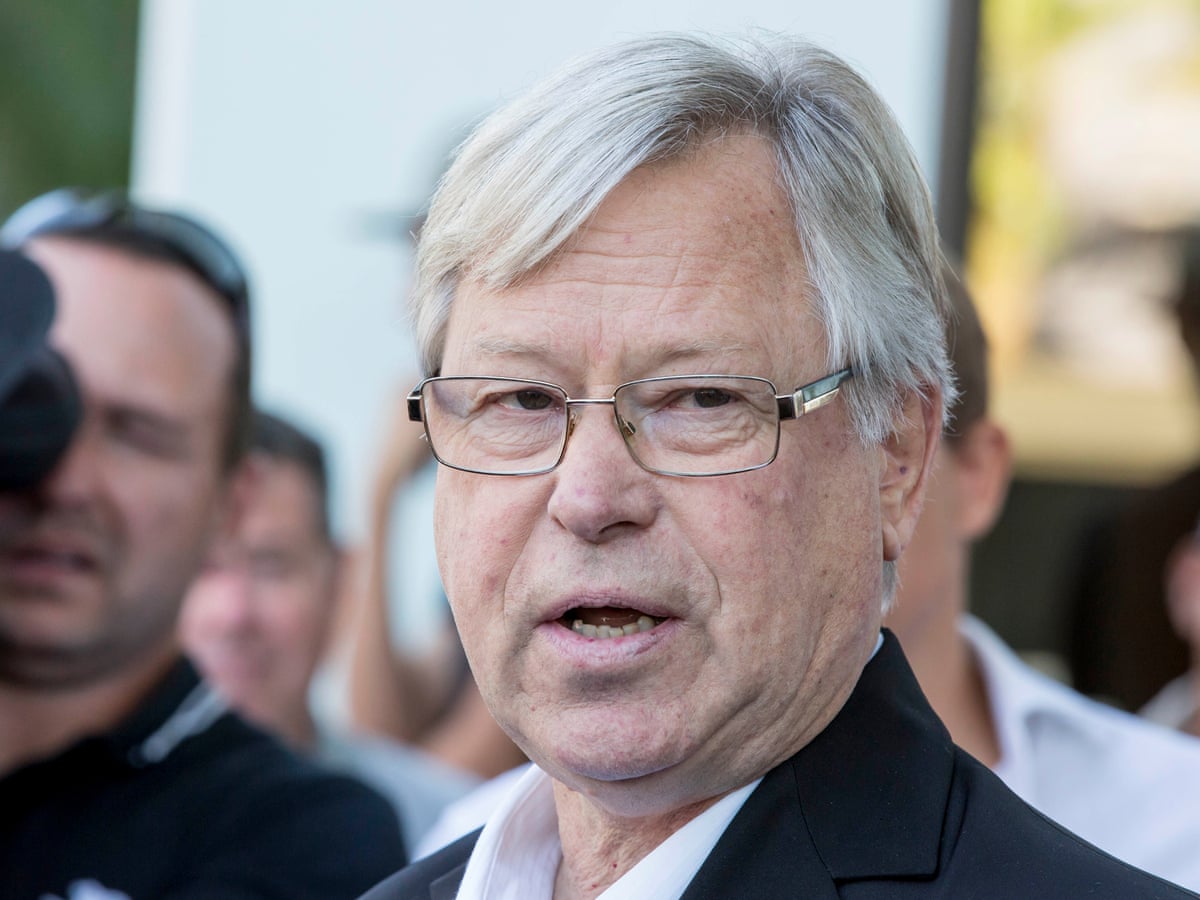
Michael Chamberlain
5
APPEARANCES
4
PODCASTS
Sep 29, 2026


Michael ChamberlainGUEST
I don't think, I don't think Ohio collected blood initially, so we haven't, we haven't folded them in, but so I took, that was an approach that we use to add samples.
Michael ChamberlainGUEST
We also had several states that reached out to me and said, hey, we would like to go far above what you would offer this state through your standard sampling.
Michael ChamberlainGUEST
So Tennessee reached out to me and said, hey, we'd like to do a little bit bigger dive than what you're going to be able to do because the way I set this up was, I looked at the harvest from each state and states that harvest more turkeys would get more kits.
14 MINS LATER
Pete MullerHOST
Where do we see things going year three and beyond? And even, I guess, from, let's tackle those first, and then I've got another final question.


John SolomonHOST
Is China's moment of reckoning under these sort of discussions coming? Do people realize that China is literally a ground polluter of epic proportions now?
Michael ChamberlainGUEST
Oh, I think that may be coming about, John, because China has For years, they've been the largest emitter of carbon.
Michael ChamberlainGUEST
And while you mentioned the United States and European countries have been reducing their emissions, China has been increasing theirs.
Michael ChamberlainGUEST
But some of the perversity of some of these conferences and some of these agreements is, as you pointed out, China has been considered a developing country and not one of the industrialized nations.
Michael ChamberlainGUEST
So when you talk about the wealthy country's giving money and the other countries receiving it.
Michael ChamberlainGUEST
China is in the group of the recipient and rather than the countries that should be paying to, in the words of the climate folks, to mitigate their damage to the world.
John SolomonHOST
I think the latest two districts were Dayton and Three River School districts last week, but you're keeping an eye on this, holding people accountable, right?
John SolomonHOST
How did we miss the indoctrination machinery that was being built right beneath our noses in both college and obviously in K through 12?
Michael ChamberlainGUEST
Well, for a lot of people who were parents, They just took their kids to school.
Michael ChamberlainGUEST
They thought that the school was like the way it was when they went to school.
Michael ChamberlainGUEST
They gave over their most precious resources to the teachers and the schools and just figured that everything was going to work the way it had done 30 years ago.
Michael ChamberlainGUEST
A lot of parents were exposed to what their children were actually being taught while they were away because they were there.


Michael ChamberlainGUEST
I was not involved at that time, I- I was hearing about this peripherally.
Michael ChamberlainGUEST
And then I got this email that- with a re- request saying that, "We would like you, among others," it was sent to a number of researchers, "We'd like you to consider putting together a research project," (clears throat) excuse me, "that would answer these relevant questions we have." And so what I did (clears throat) excuse me, what I did was, I reached out to Mark and colleagues at the University of Georgia, we reached out collectively to- to colleagues at Colorado State, at the Prion Research Center there, and we put together this- this very large five-year study to try to help the agency do everything from understand abundance or deer density, uh, prevalence rates, to look at behavior of CWD positive and negative deer- Mm-hmm.
Michael ChamberlainGUEST
... to look at, um, t- uh, s- survival and habitat use and all these things that you would get from just capturing and collaring deer.
Michael ChamberlainGUEST
And then we designed a study plan to come back at the end and to also collect cull animals that were radio marked at the end of the study to try to figure out if their disease tre- if their disease, you know, prevalent...
27 MINS LATER
