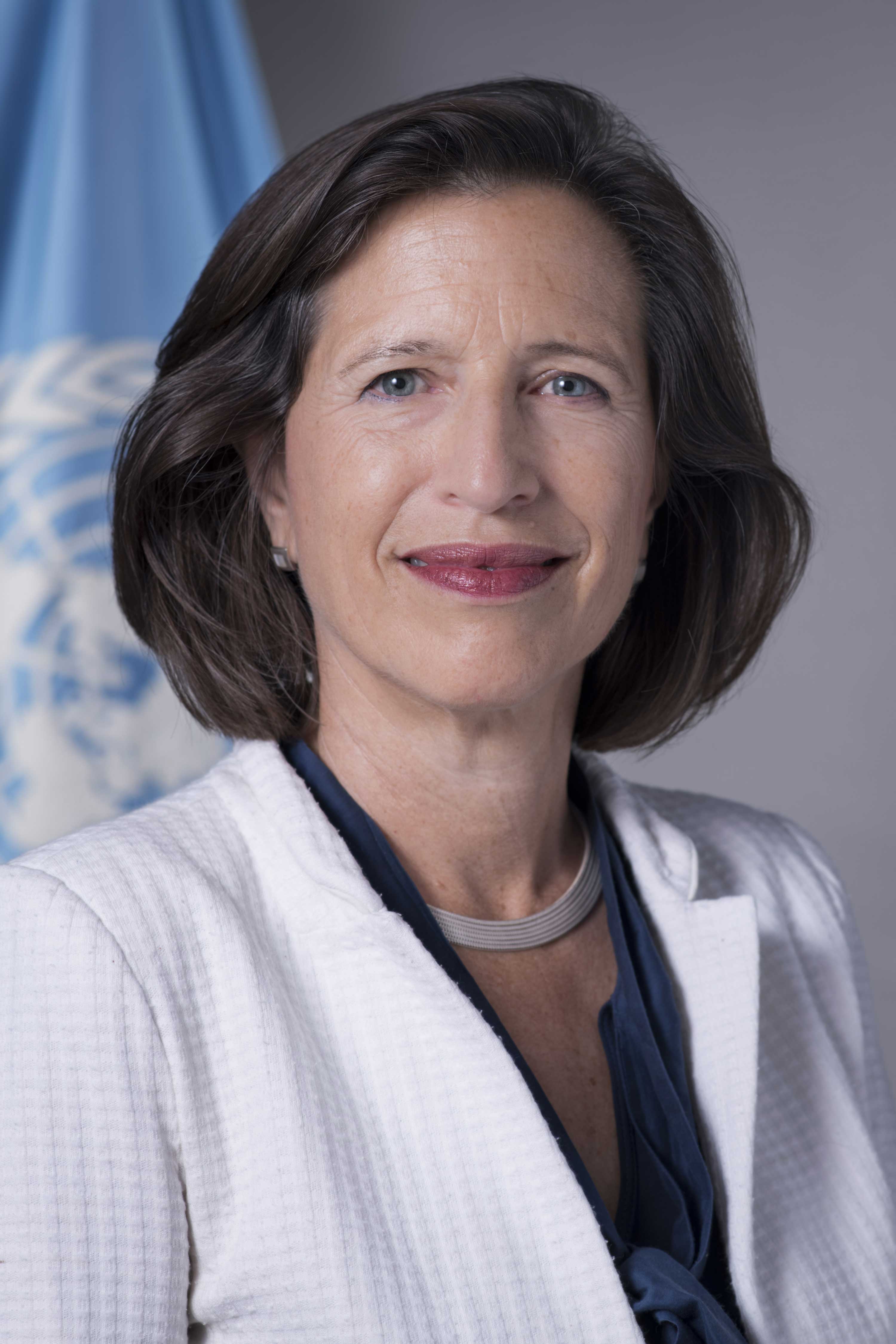
Melissa Fleming
American journalist and author
1
APPEARANCES
1
PODCASTS
Jul 1, 2026


Melissa FlemingGUEST
Well, we do have UN News and The idea of UN News is to report journalistically from the UN, so very traditionally on the meetings that are happening, the General Assembly, the the Security Council, but also to report from the field.
Melissa FlemingGUEST
And as you know, the UN is located all over the world, very often on the front lines of war zones and in places where there are no foreign correspondents.
Melissa FlemingGUEST
And so this becomes increasingly important that we're not only reporting in multimedia formats for our own platforms, But we also distribute this content so that other media organizations can use it.

Giles GibsonHOST
What are the challenges of communicating a crisis like Gaza that just goes on and on and on for months or even years? How do you try and stop people just switching off as they have done with previous crises such as the situation in Syria, for example?
Melissa FlemingGUEST
There is a behavioral scientist, social scientist, who has concluded in his experiments, the more who die, the less we care.