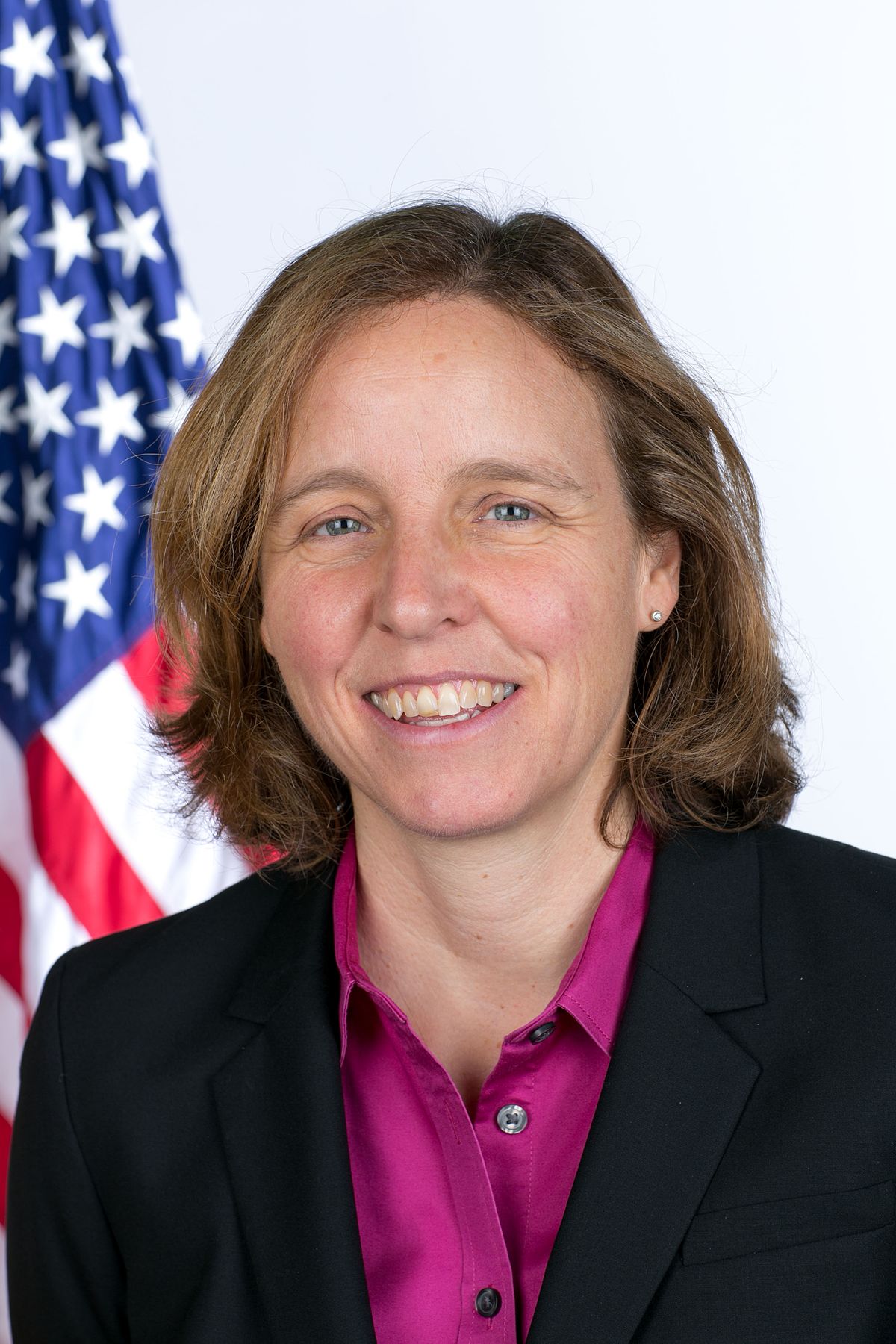
Megan Smith
Engineering technologist and former Chief Technology Officer of the United States
8
APPEARANCES
8
PODCASTS
Aug 31, 2026


Megan SmithGUEST
Okay, so today's program is about people who feel like I know what you need, and there is a subject where medical professionals feel like they definitely know what we all need, and that subject is measles.
Megan SmithGUEST
Thanks to the measles vaccine, measles was eliminated from this country over two decades ago.
Megan SmithGUEST
Measles is one of the most contagious diseases in the world, more contagious than COVID, more contagious than the flu, Ebola, so many other things.
6 MINS LATER
Miki MeekCORRESPONDENT
They didn't get into the politics of vaccines.


Sean O'ConnorHOST
Like, is there some, uh, skill or ability in particular that pops off the screen for you?
Megan SmithGUEST
Yeah, we really see a, a change in our students when they start asking questions more instead of defending.
Megan SmithGUEST
So instead of, um, you know, "Hey, I think you did a bad job when you did XYZ," instead of saying, "Well, no, let me tell you all of the things that I, that I did and why I think I did a great job," right, we see that transition to where they say, "Well, that's interesting.
Megan SmithGUEST
Tell me what you think I didn't do well," or, "Tell me ways that you think that I can improve," or, "What would have made that a better experience for you?" Right? And, and I think that's also tied to staying regulated when someone escalates emotionally, because somebody, you know, kind of attacking you, that can be an emotional response.
Sean O'ConnorHOST
What's your take on, like, how professional preparation could change? You know, if, if realistic conversation rehearsal became widely accessible, Meghan, what, you know, sort of like s- kind of a vision question, how would, how would professional prep change in that scenario?
Megan SmithGUEST
Well, I think people, a- and all people, not just, like, highly trained professionals, would go into hard conversations with more confidence.
Megan SmithGUEST
Um, I think they would have faster skill development as well, right? Rather than repeatedly doing the same thing over and over again, like escalating, like in that scenario that we just used, like, "Okay, but let me tell you why I'm perfect and all of the perfect things that I did," um, I think you would learn that a lot sooner.
Megan SmithGUEST
And so it would, the vision, I think, would be kind of a world where no professional has to walk into a high-stakes conversation cold.


Brian SpecialeHOST
NPS PSAR coordinator, Meghan Smith, on the Grand Canyon Hiker Dude show, powered by Hyken.
Meghan SmithGUEST
I hope that my team and I never have to endure the loss of a child visitor on the trails here at Grand Canyon.
Meghan SmithGUEST
Tom has done a wonderful job in his tenure here, and we miss him dearly, in educating the staff and leaving behind a legacy and a structure in place to help educate other staff members that, that come even after me.
Meghan SmithGUEST
Particularly this year, we're seeing a lot of young children in the inner canyon.
Meghan SmithGUEST
We're seeing a lot of celebration on the internet and algorithms picking up chil- children participating in difficult recreation in places like Yosemite and Grand Canyon and celebrating that.
25 MINS LATER

Megan SmithGUEST
Yeah, intimacy with us, um, in the beginning we had agreed that it would only be the three of us if we were gonna be intimate, um, just until everyone kinda got comfortable.
Megan SmithGUEST
Especially, like, you know, Alana had never shared a partner before, and they were in a committed relationship.

Juju ChangHOST
They say this is harder than any monogamous relationship they've been in, but to them it's worth it.
Megan SmithGUEST
I think a lot of people, uh, sexualize polyamory and think that we're just, like, getting it on all the time and that's all we do, but, like, we are pretty normal people.
Megan SmithGUEST
We're just normal everyday people who just happened to fall in love with two others rather than one.


Megan SmithGUEST
If you can staff, and if you can staff by size, revenue... um actual office space for somebody to go to i think that's always better so a person in the office nine times out of ten it's going to give you the bang for your buck it's usually better especially if you're in lisa if you're buying a fairly full stable property you probably don't need somebody sitting there unless there's heavy maintenance or it's in an area that would attract crime or things like that right so you might need the person there for security I, the industry kind of swung from like, live on top apartments to like, now we can just be in the office.
Megan SmithGUEST
Then to like, why do we need people at all? And then they were like, oh, right.
Megan SmithGUEST
We kind of do need people, right? So it's kind of come back a little bit to, it's still a people business.
Megan SmithGUEST
I've been at stores and I've seen people walk up, read the sign, pull the door and walk away.
7 MINS LATER

Antonio SantosHOST
Do you feel today that you f- you still need to explain the true value of disability and inclusion? If yes, how do you get the buy-in from leaders that might not understand it?
Megan SmithGUEST
I love this question, and anyone that, that I've ever interviewed for Amazon for a role related to this has heard this from me.
Megan SmithGUEST
Not to say anything negative or even neutral about any previous company, what I will say is true about Amazon, though, is that this is not a place where I feel like I need to defend the why.
Megan SmithGUEST
We have many others, and so many of them, probably all of them if I really, like, took time to go through them, map back to the business case for disability.
13 MINS LATER


Megan SmithGUEST
The first of April was when he started showing signs of COVID and at first, we just, we didn't know whether he was just overexerting himself because he was waking up at 4:00 and he was going to work at 5:00 and then not finishing till, like, 8:00 at night because he was an essential worker.
Megan SmithGUEST
He just steadily got worse and then he went into hospital on the 3rd and within a day or two, he was on a ventilator.
Megan SmithGUEST
He was so fit and healthy and when he did get a cold, it was not like he had it.
Megan SmithGUEST
It was destroying people like my dad ended up having.... two blood transfusions a day because his blood was just clotting.

speaker_12NARRATOR
home."Paul Smith was working in a cash and carry.
Megan SmithGUEST
Um, at first we just, we didn't know whether he was just over exerting himself because he was waking up at 4:00 and he was going to work at 5:00, and then not finishing till like 8:00 at night because he was an essential worker.
Megan SmithGUEST
And then he went into hospital on the 3rd and within a day or two he was on a ventilator.
Megan SmithGUEST
He was so fit and healthy and when he did get a cold it was not like he had it.