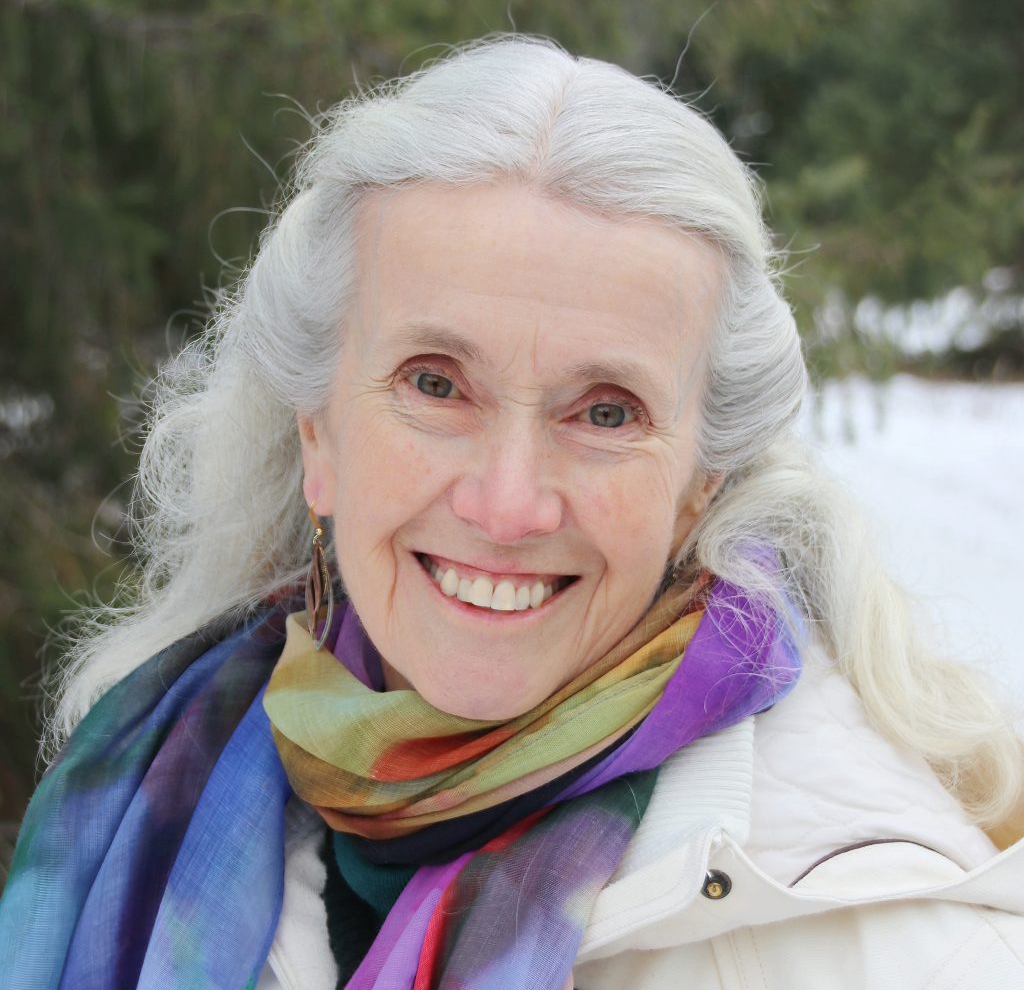
Meg Sears
Dr. Meg Sears is an Ottawa-based biochemical engineer and environmental health researcher, and Chair of Prevent Cancer Now, known for her work on Agent Orange contamination at CFB Gagetown.
2
APPEARANCES
2
PODCASTS
Sep 18, 2026


Andrea HuangHOST
Meg Sears is an environmental health scientist in Ottawa and chair of a national cancer prevention group called Prevent Cancer Now.

Meg SearsGUEST
Given that we know that these chemicals are quite carcinogenic and there are lags between when you're exposed to chemicals and when you develop cancers, people can smoke for years and then finally they get a horrible lung cancer.
Meg SearsGUEST
So with the usual caveats that you never know 100% for sure that there was a single cause of cancer, there's probably more than one contributor, being exposed to these chemicals and you know you were exposed certainly increases substantially the probability of getting cancer.
12 MINS LATER
Andrea HuangHOST
She says new tests would be challenging to do so many years later, but she believes it's still worth trying.
Meg SearsGUEST
I would expect that it would still be possible to find traces of these chemicals.
Meg SearsGUEST
But if the sampling was done rigorously and properly, then... probably we could still find traces.

Andrea HuangCORRESPONDENT
Meg Sears is an environmental health scientist in Ottawa and chair of a national cancer prevention group called Prevent Cancer Now.
Meg SearsGUEST
Given that we know that these chemicals are quite carcinogenic and there are lags between when you're exposed to chemicals and when you develop cancers, people can smoke for years and then finally they get a horrible lung cancer.
Meg SearsGUEST
So with the usual caveats that you never know 100% for sure that there was a single cause of cancer, there's probably more than one contributor, being exposed to these chemicals and you know you were exposed certainly increases substantially the probability of getting cancer.
12 MINS LATER
Andrea HuangCORRESPONDENT
She says new tests would be challenging to do so many years later, but she believes it's still worth trying.
Meg SearsGUEST
I would expect that it would still be possible to find traces of these chemicals.
Meg SearsGUEST
But if the sampling was done rigorously and properly, then probably we could still find traces.