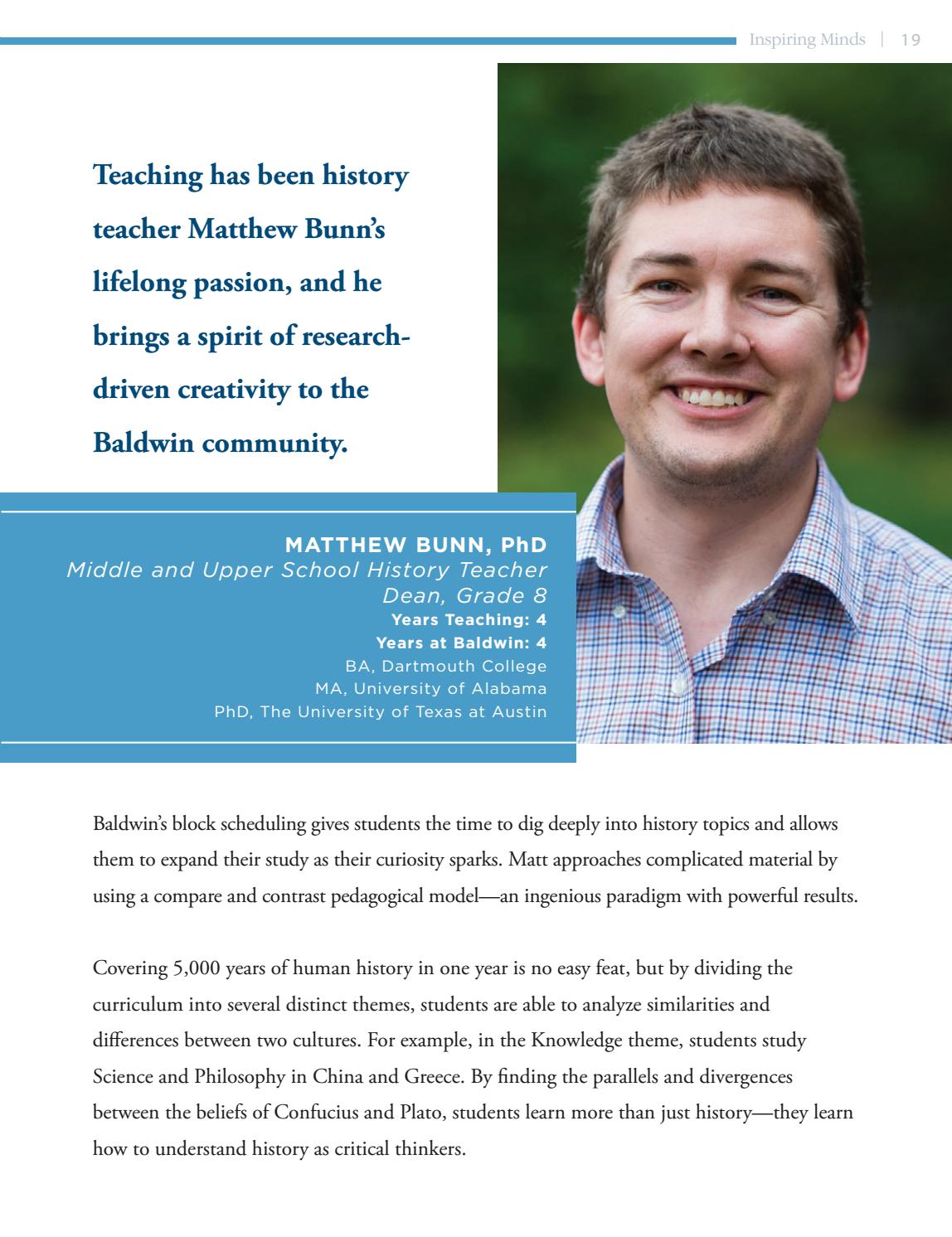
Matthew Bunn
American political scientist
8
APPEARANCES
7
PODCASTS
Oct 20, 2026


Matthew BunnGUEST
I do want to say a kind word for the agency, though, in the sense that these were very early days of technical intelligence.
Matthew BunnGUEST
The moment they got the photographs, they were very quickly able to say, oh my goodness, these are nuclear missiles under construction because they had seen that type of missile in the Soviet Union before.
Matthew BunnGUEST
So what Khrushchev wanted to do is to present Kennedy with something that was already done.

Jane PerlezHOST
How important do you think that decision was, and how comfortable should we be that the decision to use a nuclear weapon rests with a single person, even if it is the president of the United States?
Matthew BunnGUEST
Well, as Alex said, Truman's role was really to say, "Wait, stop doing more atomic bombing unless I, the president, authorize it." But there was a broader shift as well that the scientists involved in the Manhattan Project lobbied for, which was, "Let's not give this weapon entirely to the military.
Matthew BunnGUEST
This is a political weapon, a weapon that threatens all of human civilization.
Matthew BunnGUEST
This should be controlled by the political leadership." Once they're ready to go, they're in the military's hands, but still, you have one person in charge of decisions that might lead to the deaths of tens of millions or hundreds of millions of human beings, and the destruction of much of civilization as we know it.
Matthew BunnGUEST
It's just crazy to make decisions about whether to launch nuclear weapons in minutes.
Jane PerlezHOST
If an American government was preparing to use the bomb today, what do you estimate would be the opposition to its use, A, among scientists, and B, among the general public?


Juana SummersHOST
And what kinds of rules or safeguards perhaps could be put into a deal that would prevent Saudi Arabia from using this technology to develop weapons versus th- their, the goal of developing a civilian nuclear program?
Matthew BunnGUEST
Well, unfortunately, the Trump administration dropped an insistence on what r- the United States has been insisting with many countries that they accept the broader set of international inspections included in what's called the additional protocol.
Matthew BunnGUEST
Instead, the Trump administration, uh, has worked out a, uh, bilateral US/Saudi set of inspection arrangements that haven't yet been revealed to the public exactly what they are, but apply only to what the US would provide, not to the overall nuclear program in Saudi Arabia.
Juana SummersHOST
What happens if Saudi Arabia were to begin working on a weapon in secret? Is there anything that the United States or anyone else could do to stop them?
Matthew BunnGUEST
Well, there is a global effort to stem the spread of nuclear weapons that has been strikingly successful.
Matthew BunnGUEST
There's only nine states that have nuclear arms today, uh, and US, uh, intelligence and US pressure and US military capabilities have been an important part of that global effort.
Matthew BunnGUEST
I think it's very likely that if Saudi Arabia moved in this direction, the United States, uh, would have a variety of tools to try to pressure them.
Matthew BunnGUEST
But still, agreeing to this kind of an agreement, uh, especially if it does lead to selling Saudi Arabia the uranium enrichment technology that would allow them to make bomb material, does pose some increased risks.

Matthew BunnGUEST
The reports to the Congress that have surfaced so far say suggest that it's contemplated that at some point in the future, there might be an agreement on enrichment.
Matthew BunnGUEST
As far as we know, there isn't an existing deal to provide enrichment technology to Saudi Arabia.
Matthew BunnGUEST
The problem with uranium enrichment technology spreading or plutonium reprocessing technology spreading is that those are the two key technologies that allow you to make material for nuclear bombs.
Matthew BunnGUEST
Uranium enrichment also can make civilian fuel, but the problem is that it's the same technology for either the bomb material or the civilian fuel.
Matthew BunnGUEST
That's why Iran's uranium enrichment program has been such a global concern and ultimately led to the strikes in 2025 and now at least is part of the rationale for the war that we're in today.

Marco WermanHOST
What has the Saudi government said about its intentions on how it would use this uranium?

Matthew BunnGUEST
The reports to the Congress that have surfaced so far suggest that it's contemplated that at some point in the future, there might be an agreement on enrichment.
Matthew BunnGUEST
As far as we know, there isn't an existing deal to provide enrichment technology to Saudi Arabia.
Matthew BunnGUEST
The problem with uranium enrichment technology spreading is or plutonium reprocessing technology spreading is that those are the two key technologies that allow you to make material for nuclear bombs.
Matthew BunnGUEST
Uranium enrichment also can make civilian fuel, but the problem is that it's the same technology for either the bomb material or the civilian fuel.
Matthew BunnGUEST
That's why Iran's uranium enrichment program has been such a global concern and ultimately led to the strikes in 2025 and now at least is part of the rationale for the war that we're in today.
Marco WermanHOST
What has the Saudi government said about its intentions on how it would use this uranium?

Megan O'SullivanMODERATOR
We began the task force with this question: Does nuclear non-proliferation still warrant being a top American foreign policy priority? It almost seems like a strange question to start the task force with, but why, why was that necessary? Why do you think we needed to examine that, and who was arguing otherwise?
Matthew BunnGUEST
So thanks, uh, for that question, and thanks, uh, I also wanna honor Al Carnesale, who has, uh, often been a source of wisdom, uh, in my career as well.
Matthew BunnGUEST
Uh, he wrote the legislation that created the Arms Control Disarmament Agency that hired Al and was one of the negotiators of the Nuclear Non-Proliferation treaty.
Matthew BunnGUEST
I believe it remains a fundamental US national security objective because of the nightmare that Kennedy outlined.
Matthew BunnGUEST
We don't wanna be in a world with twenty or thirty fingers on the nuclear button because there's gonna be much more chance that the nuclear button is going to get pressed, and that the United States might be dragged into, uh, whatever takes place.
17 MINS LATER


Cecilia VegaCORRESPONDENT
President Trump has said repeatedly that Iran's nuclear program was completely obliterated after the strikes last June.
Matthew BunnGUEST
Um, you can't say that a program that still has enough nuclear material for a bunch of nuclear bombs is obliterated, unfortunately.
Matthew BunnGUEST
There's no doubt that the combination of the strikes in June of last year and the ongoing war have seriously set back Iran's capabilities, but the remaining capabilities are substantial.
Cecilia VegaCORRESPONDENT
Dr. Matthew Bunn says any nuclear agreement should not be based on trust, but verification.


Darya DolzikovaGUEST
So I expect that played a role for perhaps tempered willingness to engage in any conversation around Apollo 1 to New START.
Matthew BunnGUEST
So we had this agreement, and then we have ended up in a world where it's completely a bilateral agreement.
Matthew BunnGUEST
So in President Trump's first term, he sent his arms negotiator, who wasn't appointed until very late in the term, to say to China, you know, you really need to agree to limits as well.
Matthew BunnGUEST
And China said, why should we do that? And so there was no progress when he was hinging any progress on nuclear arms control to making it trilateral rather than bilateral.
15 MINS LATER
