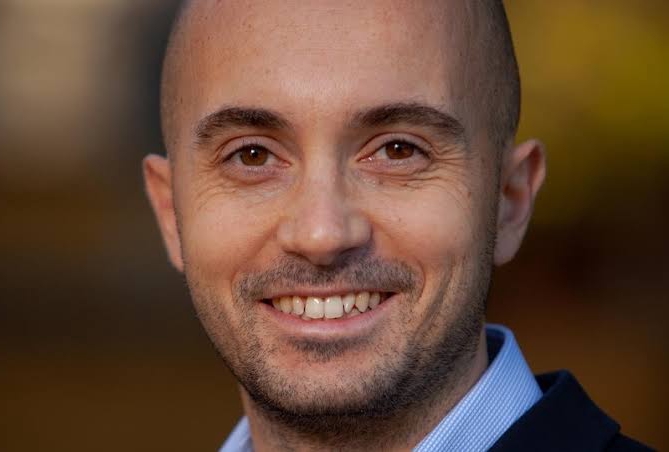
Matteo Capasso
Professor of Middle East Studies at Northwest University (Xi'an, China); Editor-in-Chief of Middle East Critique; author of Everyday Politics in the Libyan Arab Jamahiriya (2023).
1
APPEARANCES
1
PODCASTS
Jun 23, 2026


Ricardo VazHOST
When we talk about US-led imperialism in the present context and these predations across the global south, I mean, from Venezuela to Cuba, Palestine, Lebanon, Iran, how do we understand it? Or rather, how would you characterize it today?

Matteo CapassoGUEST
So once again, thank you so much for having me and thank you for waking up early to listening to my diatribe about these things.
Matteo CapassoGUEST
So I think that when we talk about imperialism, we need to think about the historical transformation that the long durée, the five centuries of Western-led accumulation have seen, have, you know... created in the world with its wars, with the colonial plunder, with the genocides across the Americas and the West Asia.
28 MINS LATER
Ricardo VazHOST
So basically, Where would you draw the differences and points of contact when it comes to a strategic resistance against US imperialism?