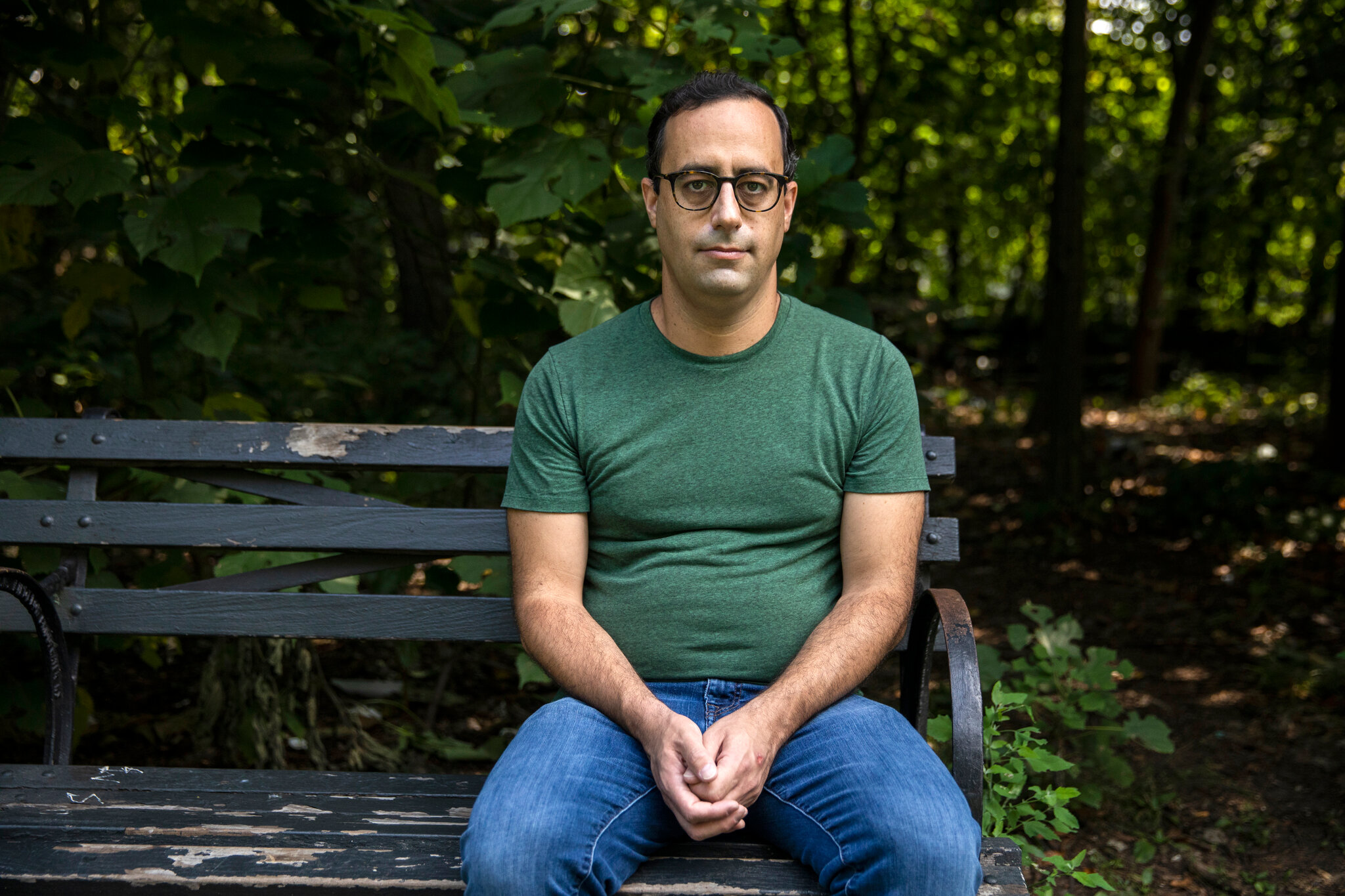
Matt Levine
Columnist
8
APPEARANCES
8
PODCASTS
Jun 15, 2026


Matt LevineGUEST
Um, but I think that the opportunity that we have with, you know, creating this university for the USPA, um, is it's not teaching coaches what to think.
Matt LevineGUEST
It's teaching them how to think, right? It's teaching them how to problem solve and, and, and giving them, like, framework Of we're not...
Matt LevineGUEST
I- like everyone wants a template, everyone wants the, the right exercises, like the sets and reps and, and, and, you know, how to do that stuff.
Matt LevineGUEST
But if, if you're that granular looking for those answers, it- it's almost like you miss- Mm-hmm ...
35 MINS LATER

Chris DuffyHOST
So can you, like, break down how commodities work? And a thing you talk about in your newsletter sometimes is how they have become abstract and not just the concrete version as well.
Matt LevineGUEST
It's funny, like, I would almost push back on the word investing, although people do invest in cocoa.
Matt LevineGUEST
But what happens is that abstractly there are people who produce cocoa, the cocoa growers, and there are people who use cocoa in making-- Hershey's uses cocoa in, like, making chocolate bars.
Matt LevineGUEST
And, uh, they might want to lock in the price of cocoa today so they can trade futures on the commodities exchange, which is a contract for-- conceptually, it's "I'll deliver you 1,000 pounds of cocoa in six months." And so we agree on a price today for delivery of cocoa in six months.
Matt LevineGUEST
It's sort of like, "Oh, I'll deliver you cocoa in six months." But most people who trade these on exchanges, that's not really what's happening.
28 MINS LATER
Chris DuffyHOST
And you've written before about how there's some question about, like, is that a good thing or not for companies to own-- for the biggest shareholders in many companies to also own all of the other companies in that field, right? So if you invest in, like, an index fund, that index fund probably owns quite a bit of other companies, and that's, that's a relatively new thing.

speaker_6UNKNOWN
So can you, like, break down how commodities work? And a thing you talk about in your newsletter sometimes is how they have become abstract and not just the concrete version as well.
Matt LevineGUEST
It's funny, like, I would almost push back on the word investing, although people do invest in cocoa.
Matt LevineGUEST
But what happens is that abstractly there are people who produce cocoa, the cocoa growers, and there are people who use cocoa in making-- Hershey's uses cocoa in the making chocolate bars.
Matt LevineGUEST
And, uh, they might want to lock in the price of cocoa today so they can trade futures on the commodities exchange, whi-which is a contract for-- Conceptually, it's I'll deliver you a thousand pounds of cocoa in six months.
Matt LevineGUEST
And so we agree on a price today for a delivery of cocoa in six months, and that is a financial contract.
29 MINS LATER
speaker_6UNKNOWN
And you've written before about how there's some question about, like, is that a good thing or not for companies to own-- for the biggest shareholders in many companies to also own all of the other companies in that field, right? So if you invest in, like, an index fund, that index fund probably owns quite a bit of other companies, and that's, that's a relatively new thing.


Matt LevineGUEST
... was, in many ways, like, the place to be, right? It was the place that sort of generated all the hedge fund managers that, like, did a lot of the exciting deals that was sort of the center of Wall Street.
Matt LevineGUEST
And after the financial crisis, the power really shifted away from the investment banks for a bunch of reasons, you know, largely regulatory.
Matt LevineGUEST
Like, largely, you know, one, all the big, the biggest investment banks like Goldman became or were bought by banks.
Matt LevineGUEST
And so everyone kind of understood, both regulators, but also, like, the banks themselves and the shareholders, understood they couldn't be as, as levered and as, sort of, short-term funded as they had been in 2007.
8 MINS LATER

Matt LevineGUEST
in many ways, like, the place to be, right? It was the place that sort of generated all the hedge fund managers that, like, did a lot of the exciting deals that was sort of the center of Wall Street.
Matt LevineGUEST
And after the financial crisis, the power really shifted away from the investment banks for a bunch of reasons, you know, largely regulatory.
Matt LevineGUEST
Like, largely, you know, one, all the big, the biggest investment banks, like Goldman, became or were bought by banks.
Matt LevineGUEST
And two, like, you know, they'd almost blown up, and so everyone kind of understood, both regulators, but also, like, the banks themselves and the shareholders, understood they couldn't be as, as levered and as sort of short-term funded as they had been in 2007.

JordyHOST
Yeah.
Matt LevineGUEST
Um, two, like, one thing I've read is that the use of proceeds for this hypothetical $30 billion IPO is to put data centers in orbit.
Matt LevineGUEST
Like, in a world where there's, you know, $10 trillion of broadly speaking AI CapEx needs, like, there's gonna be competition for that.
JordyHOST
No. (laughs)

Matt LevineGUEST
... was in many ways, like, the place to be, right? It was the place that sort of generated all the hedge fund managers that, like, did a lot of the exciting deals that was sort of the center of Wall Street.
Matt LevineGUEST
And after the financial crisis, the power really shifted away from the investment banks for a bunch of reasons.
Matt LevineGUEST
You know, largely regulatory, like largely, you know, one, all the big- the biggest investment banks like Goldman became or were bought by banks, so they became banks and they're regulated as banks.
Matt LevineGUEST
And two, like, you know, they'd almost blown up and so everyone kind of understood, both regulators but also, like, the banks themselves and the shareholders, understood that they couldn't be as, as levered and as sort of short-term funded as they had been in 2007.
Matt LevineGUEST
And so the banks got much more careful about their balance sheets and they could do fewer trades, but also the regulators kind of prohibited them from doing a lot of the prop trading that was the, the way that places like Goldman made outsized profits and also the way they attracted and retained and trained risk takers.
Matt LevineGUEST
And that kind of ended, and the result is that a lot of the sort of high-end action that occurred at the investment banks ended up at what are, you know, the big, l- like today are big hedge funds or the big kind of, you know, they call them alternative asset managers, like in my day they called them private equity firms.
6 MINS LATER


Matt LevineGUEST
So MicroStrategy is a pot of bitcoins that issues stock, and the stock trades at, call it, two times the value of the pot of bitcoins.
Matt LevineGUEST
And so if you have that situation, you sell more stock to buy bitcoins because, like, classically, that's an arbitrage, and you close the arbitrage, right? You sell stock, that brings down the price of your stock.
Matt LevineGUEST
Eventually, you get to the point where your stock and the value of the underlying bitcoins is the same.