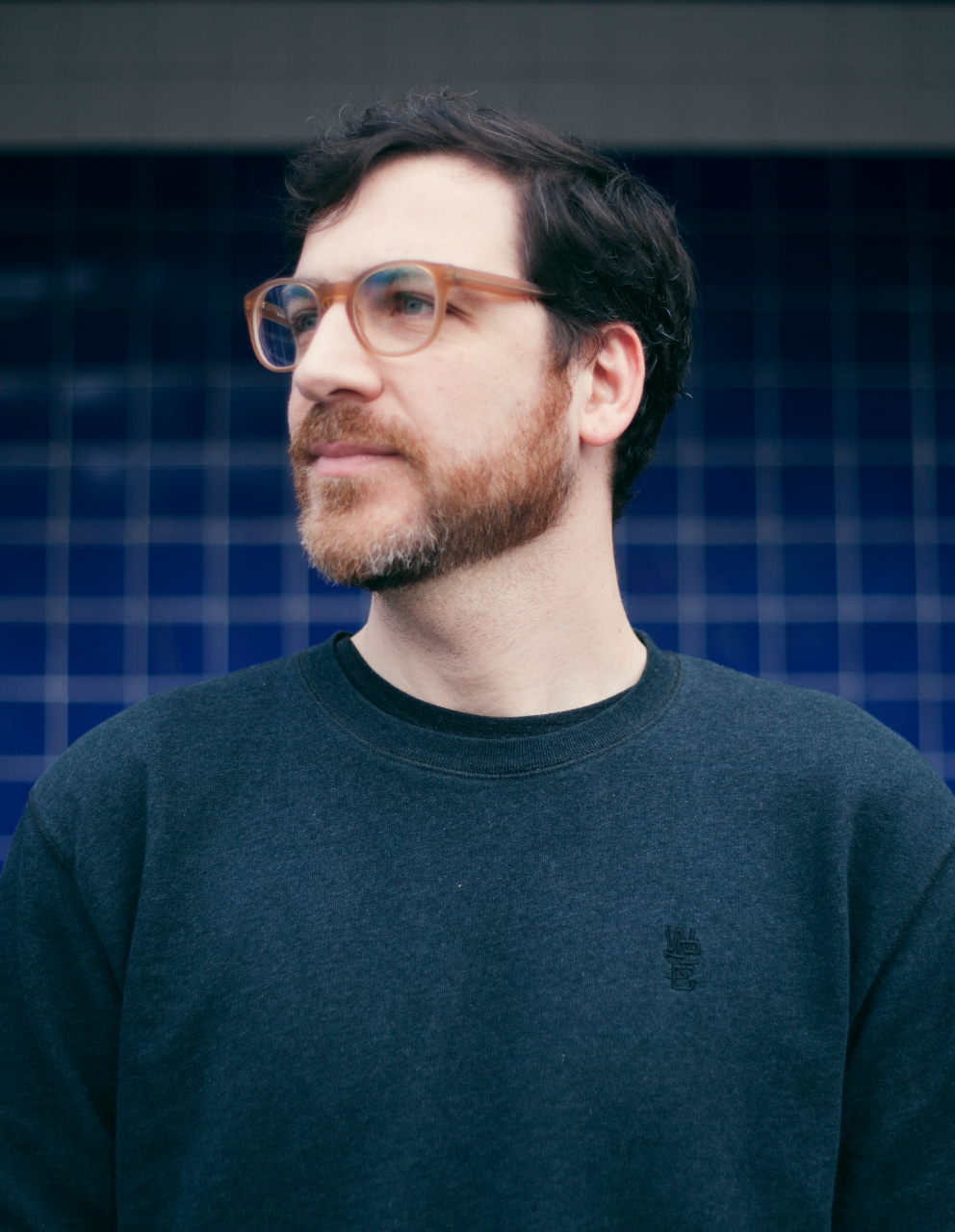
Matt Friedman
22
APPEARANCES
13
PODCASTS
Sep 23, 2026


Matt FriedmanGUEST
You know, our backgrounds aren't that much different in the fact that although I went to the University of Florida, great school, took a bunch of great classes, but the business idea really came from my own ideation.
Matt FriedmanGUEST
I was a college student and I understood the need and the desire for late night delivery.
Matt FriedmanGUEST
College students, I always tell people this, college students don't eat breakfast.
Matt FriedmanGUEST
Their lunch is their breakfast, their dinner, and then they eat this third meal of the day, which is typically after 10 p.m. And I was always one that studied entrepreneurs and successful businesses.
15 MINS LATER

Stu DraperHOST
interesting stuff, right? Like, how do you leave that? And how did you make that decision? And then what was the next trajectory like from there?


Paul W. SmithHOST
And, Matt, you must be just scratching your head watching all this happen to Ed Sheeran.
Matt FriedmanGUEST
Hi, Paul W. I have been puzzled by some of this, but not really surprised, because I think what we've seen from Ed Sheeran, and your audience should know, he is enormously popular.
Matt FriedmanGUEST
What he has done is he let other people take control of his message, and any time that happens, if somebody speaks for you other than you, then they're not going to say what you want them to say.
Matt FriedmanGUEST
And he finally got a chance to speak for himself over the weekend in front of another big crowd in Philadelphia and said what he wanted to say, and that's probably going to help.
Matt FriedmanGUEST
Certainly it's a step in the right direction for him rather than let others take control of the narrative, which is what has been happening over the last couple of weeks.

Matt FriedmanGUEST
So this morning, the three news outlets that have been banned from White House coverage, that is, so everybody knows, CNN, MSNOW, and Politico have filed a joint lawsuit in federal court stating that this could not be allowed under the first amendment.
Matt FriedmanGUEST
We've never seen anything like this, the TV networks that work together on what we call pool coverage.
Matt FriedmanGUEST
So this morning, the three news outlets that have been banned from White House coverage, that is, so everybody knows, CNN, MSNOW, and Politico have filed a joint lawsuit in federal court stating that this could not be allowed under the First Amendment.
Matt FriedmanGUEST
Now it's been filed, which happened in the last hour or so that is significant.
Matt FriedmanGUEST
The TV networks that work together on what we call pool coverage, And that's something that the TV stations in the Detroit market do.
Matt FriedmanGUEST
It's something we've seen for big events like the Mackinac Policy Conference here in Michigan, where it's an efficiency standpoint.

Kevin DietzHOST
Now, maybe I'm just getting old, which I am, but it seems like a problem, and it seems very expensive, too, for something that was supposed to be less expensive.
Matt FriedmanGUEST
Yeah, when cord cutters were bragging a few years ago about all the money they were saving by getting rid of cable, one of the things I told them is be careful what you wish for.
Matt FriedmanGUEST
And one of the things that they wished for is I only want to pay for the channels I want.
Matt FriedmanGUEST
And I think what we have here is a worst case scenario for a lot of consumers where they thought they were only buying the channels that they would watch.
Matt FriedmanGUEST
But then the programming, especially live sports, the most popular programming on TV gets spread around all these different channels.
Kevin DietzHOST
Is there not some way to get the companies to say, look, if you want to watch football, you can watch them on any of these four platforms?


Matt FriedmanGUEST
And I think for a lot of entrepreneurs that eventually exit, um, you know, it is something where you have to then decide, what are you really gonna focus your time and, and passion on? Because that phase of your life is really over.
Matt FriedmanGUEST
You know, the, the people that bought us were kind of going down their own path, so to speak.
13 MINS LATER
Kevin DietzHOST
Do you think it's possible there's no women in the decision making? I would think if a woman were to see this, they would immediately raise at least questions about it.
Kevin DietzHOST
Uh, do you, do you think it's possible there's, there's no women in the decision-making? I would think, uh, if a woman were, were to see this, they would immediately, uh, raise, uh, at least questions about it.

Matt FriedmanGUEST
Now, I don't want the audience to think that we built this absolutely beautiful, amazing restaurant.


Dave WillHOST
Why, why Athens? Why so far away? I mean, I know, I know, uh, uh, Georgia isn't too far from Florida [laughs], but, like, why not go to the next college town over?
Matt FriedmanGUEST
I, it was a good learning experience because what we found out quickly was that no one knew who we were in, at the University of Georgia.
Matt FriedmanGUEST
It was like we had to educate everyone, like, "Who-- What is this concept?" When we should-- We could have gone to Florida State, which was two hours away.
17 MINS LATER
Dave WillHOST
Was there any talk about what's next, or were you thinking, "We'll just keep going, man"?


John BrinkHOST
I'm working on my five books, and I've been working on my... sixth and seventh one as well and i once you start writing uh it is something that keeps you going i believe it does for me so your story is very very interesting one uh matt so we'll cover a lot of ground here in the next hour and it's going to be very very interesting for our global listeners and watchers about this success story starting with nothing really um you know in 1992 so tell give us the story even before that you know so you were from originally from florida and then take us forward from there to your to the colleges and then to 1992 but what happened before that
Matt FriedmanGUEST
Yeah, so I think I was just a regular all American kid, right? I grew up in a middle class household.
Matt FriedmanGUEST
And I think for me, I always looked up to business owners as pseudo celebrities.
Matt FriedmanGUEST
I was always enamored that someone could own their own business and create their own kind of destiny or wealth.
41 MINS LATER
John BrinkHOST
There has always been an interest on my part in terms of coming out of holland in particular as of uh you know franchising on food and and and quick food in particular uh for that market so i've always been interested at some point i'd like to talk to you about that uh as you go well

Matt FriedmanGUEST
And first of all, as a kid growing up, I grew up in a middle class family just outside of New York City in Long Island, New York.
12 MINS LATER

Matt FriedmanGUEST
I think what really gives me hope is knowing that as I get in front of people, as I engage people, a lot of people really do care.
Matt FriedmanGUEST
I think the big fundamental disconnect in the world today is we don't know how to take people by the hand and walk them down a path to be a part of helping to make the world a better place.
Matt FriedmanGUEST
You know, I think I meant to be the change, and the fundamental conclusion that I came from spending 35 years in development, and I just gave you an example for human trafficking, that we're not getting anywhere close to addressing even 5% of any of the developmental issues.
Matt FriedmanGUEST
So the expectation that government officials and the NGOs and even the private sector is going to address that by themselves is just illogical, and it's not, it's not a defendable argument.

Tom FoxHOST
Were you talking about things you have talked about in, in some of these talks over the years? Just could you walk us through your style of writing?

Matt FriedmanGUEST
When I first started in the PR business after I left broadcast news, what we were doing fundamentally was connecting audiences with information.
Matt FriedmanGUEST
And we had news outlets in this community, but mirrored all over the country that commanded such a large audience that the fundamental information could get communicated and could get through.
7 MINS LATER

Matt FriedmanGUEST
And I think with public officials and they need to be reminded of this more often.
Matt FriedmanGUEST
They can't handle a situation the way that private unknown people can, especially When they're on the public payroll which Senator McConnell still is so something has to give here, he needs to talk to someone or the family needs to talk to someone.
Matt FriedmanGUEST
or a press secretary or chief of staff or a family spokesperson needs to offer some information or clarity or context, otherwise this vortex.
Matt FriedmanGUEST
will continue and it will be run by rumors and speculation and people trying to fill in the blanks.

Marie OsborneHOST
And there's this discussion about, OK, when's it time to call it a career and to leave with dignity and to leave on the top of your game? How would you advise a political candidate on this point?


Josh YorkHOST
So what was one or two things you could think about right off the top of your head that was just such a painful time in Wing Zone's history?
Matt FriedmanGUEST
Well, first one I'm gonna do, talk a little bit about was really a challenging time for us because we had really started to expand aggressively, like, uh, going from opening three or four stores a year to 10 to 15 stores.
Matt FriedmanGUEST
And I think one thing that, uh, was painful for us was we started to really expand outside of our core base of the southeast United States, and all of a sudden you start saying, "Well, this franchisee wants to open in Las Vegas," or open in Des Moines, Iowa, or open in, you know, New Jersey or something.
Matt FriedmanGUEST
And you start to think that you're invincible, like we can open anywhere and do those things.
Matt FriedmanGUEST
Um, I did not realize how challenging it would be to support our franchisees from a further distance, and then ultimately, we dealt with a heavy supply chain business.
Matt FriedmanGUEST
Our board of the Michigan Sports Hall of Fame over the last decade or so has tried to tweak our processes to make sure that that we're really honoring every year the best of Michigan sports and the people who deserve to be remembered forever.
Matt FriedmanGUEST
From across the state, from across the variety of sports, we're talking about men and women and boys and girls who've accomplished amazing things.
Matt FriedmanGUEST
And one of the ways that we've tried to assure that we do that is by getting fans involved, getting the public involved.
Matt FriedmanGUEST
So 20% of the votes go to the fans to decide who's going to be inducted each year.
Matt FriedmanGUEST
And through next week, fans have a chance to go on to michigansportshof.org, michigansportshof, like halloffame.org, and vote for amateur athletes from the state of Michigan, professional athletes from the state of Michigan.

Dave LewAllenHOST
I mean, that's an example of names who are eligible for fans to weigh in and vote their favorites.
Matt FriedmanGUEST
Our board of the Michigan Sports Hall of Fame over the last decade or so has tried to tweak our processes to make sure that that we're really honoring every year the best of Michigan sports and the people who deserve to be remembered forever.
Matt FriedmanGUEST
From across the state, from across the variety of sports, we're talking about men and women and boys and girls who've accomplished amazing things.
Matt FriedmanGUEST
And one of the ways that we've tried to assure that we do that is by getting fans involved, getting the public involved.
Matt FriedmanGUEST
So 20% of the votes go to the fans to decide who's going to be inducted each year.
Matt FriedmanGUEST
And through next week, fans have a chance to go on to MichiganSportsHOF.org, MichiganSportsHOF, like HallOfFame.org, and vote for amateur athletes from the state of Michigan, professional athletes from the state of Michigan.

Dave LlewellynHOST
I mean, that's an example of names who are eligible for fans to weigh in and vote their favorites.
Matt FriedmanGUEST
And one of the things that's true is that 60 minutes along with everything else on traditional, or as we say in the industry, linear TV, needs to evolve.
Matt FriedmanGUEST
It needs to be more interesting to and more accessible by younger and growing audiences.
Matt FriedmanGUEST
And one of the things that's true is that 60 minutes along with everything else on traditional, or as we say in the industry, linear TV, needs to evolve.
Matt FriedmanGUEST
It needs to be more interesting to and more accessible by younger and growing audiences.

Matt FriedmanGUEST
And so, you know, I think Adam and I, we always had these really open conversations, deep conversations about like, What do you want to do? Do you want to do this for the next 10 or 20 years? Are you still passionate about wing zone? Do you love it? And I think I asked him one day, I said, what do you think about pursuing an exit? And he said, listen, I'm, I'm open to it.
Matt FriedmanGUEST
You know, Adam was not the most vocal guy or a lot of the ideas came from me, but he was my partner.
Matt FriedmanGUEST
I think the interesting thing based on my career is that I founded a company, I grew it, and then we exited it.
6 MINS LATER

Stan FriedmanHOST
Matt, who are you trying to help today with Friedman Associates? What's your primary target and what level are you aiming?