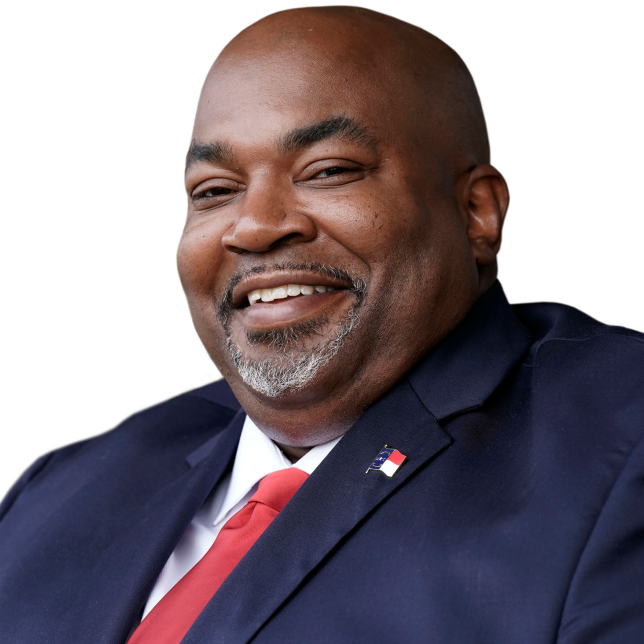
Mark Robinson
Meteorologist and "Storm Hunter" at The Weather Network; Canadian television meteorologist and storm chaser who co-hosts the series Storm Hunters.
5
APPEARANCES
2
PODCASTS
Sep 2, 2026


Jim RichardsHOST
How is this one different? It seems to be, if I could say, hype of it seems to be a little more pumped up than other ones.

Mark RobinsonGUEST
Yeah, I mean, the whole thing is, is that the parameters, so the things we look for on the atmosphere, like lots of heat and humidity, some really strong winds in the upper part of the atmosphere.
Mark RobinsonGUEST
And then, of course, as you go up through the atmosphere, you have this turning.
Mark RobinsonGUEST
So the winds of the surface might be going to the towards the south, towards the northeast.
Mark RobinsonGUEST
um that spin and when they spin up and they in the core of the storm starts to spin we call it a supercell and those are the ones that can produce giant hail tremendous amounts of rain and tornadoes um and so the parameters are are sort of in that range today so it's definitely um one of the days that we've sort of looking at it going yeah these these numbers are definitely telling us that we have the potential for danger doesn't necessarily mean that you know we're going to have a ton of tornadoes or, you know, giant hail everywhere.
Jim RichardsHOST
Are you looking at the radar and saying, hey, where's a better place to be or where?
MegHOST
That's what it felt like anyways.
Mark RobinsonGUEST
Yeah, this one was interesting because quite often you get a little bit of warning.
Mark RobinsonGUEST
There was very little wind, and then all of a sudden the gusts actually hit, and I think that surprised me too.
Mark RobinsonGUEST
A lot of people I talked with over the weekend, including at the Essex Fairgrounds, said that they, you know, it was just fine, everything was quiet, and then all of a sudden, boom, the winds hit.
Mark RobinsonGUEST
It's a little bit unusual to have it happen that way, but when it does, it can do considerable damage.
MikeHOST
Are our storms getting more severe with more wind here? Because it sure seems like these windy conditions, we've had them a few times this year, and it seems like things are changing.
MegHOST
What does that mean?
Mark RobinsonGUEST
What happens is twice a day, the balloons are launched to give us an idea of the profile of the atmosphere.
Mark RobinsonGUEST
The balloons have basically an instrument package attached to them, and when you release them, they go up and they basically take measurements of heat, humidity, and pressure as they go up through the atmosphere.
Mark RobinsonGUEST
And they eventually get to the top and they pop and then the bits come down and it's made out of cardboard and they're recycled, etc.
MegHOST
What's the deal here? Why aren't those balloons going up?

MikeHOST
Where were you when you were tracking this last night?
Mark RobinsonGUEST
Well, I live up here in Guelph, and I got a text message from my sister-in-law as the storms had headed for Essex, asking me where the tornado was.
Mark RobinsonGUEST
I knew that there was the potential for some good storms in and around the Windsor area.
Mark RobinsonGUEST
But those overnight storms can be quite scary, because when you have enough energy in the atmosphere to drive the storms to that extent... you can't see them.
Mark RobinsonGUEST
And so you get that added level of danger of not being able to see what's coming, but still getting those really strong winds and potential tornadoes.
MikeHOST
Could that be, like, if you really looked into it, I mean, just want to guess at the top of your head, is that like a climate change thing that we're seeing a change in these storms in the time of year we're getting them?

Meg RobertsHOST
But can you tell us where this is coming from, where it's heading, how this will impact us?
Mark RobinsonGUEST
Well, the name itself is pretty much gives you a clue as where it's coming from.
Mark RobinsonGUEST
You know, that cold Arctic air is sort of usually – this gets a little bit weird, but you've got – it's almost trapped at the pole for a while.
Mark RobinsonGUEST
It sort of gets a bit of a bow into it, and it basically sort of surges down towards southern Ontario.