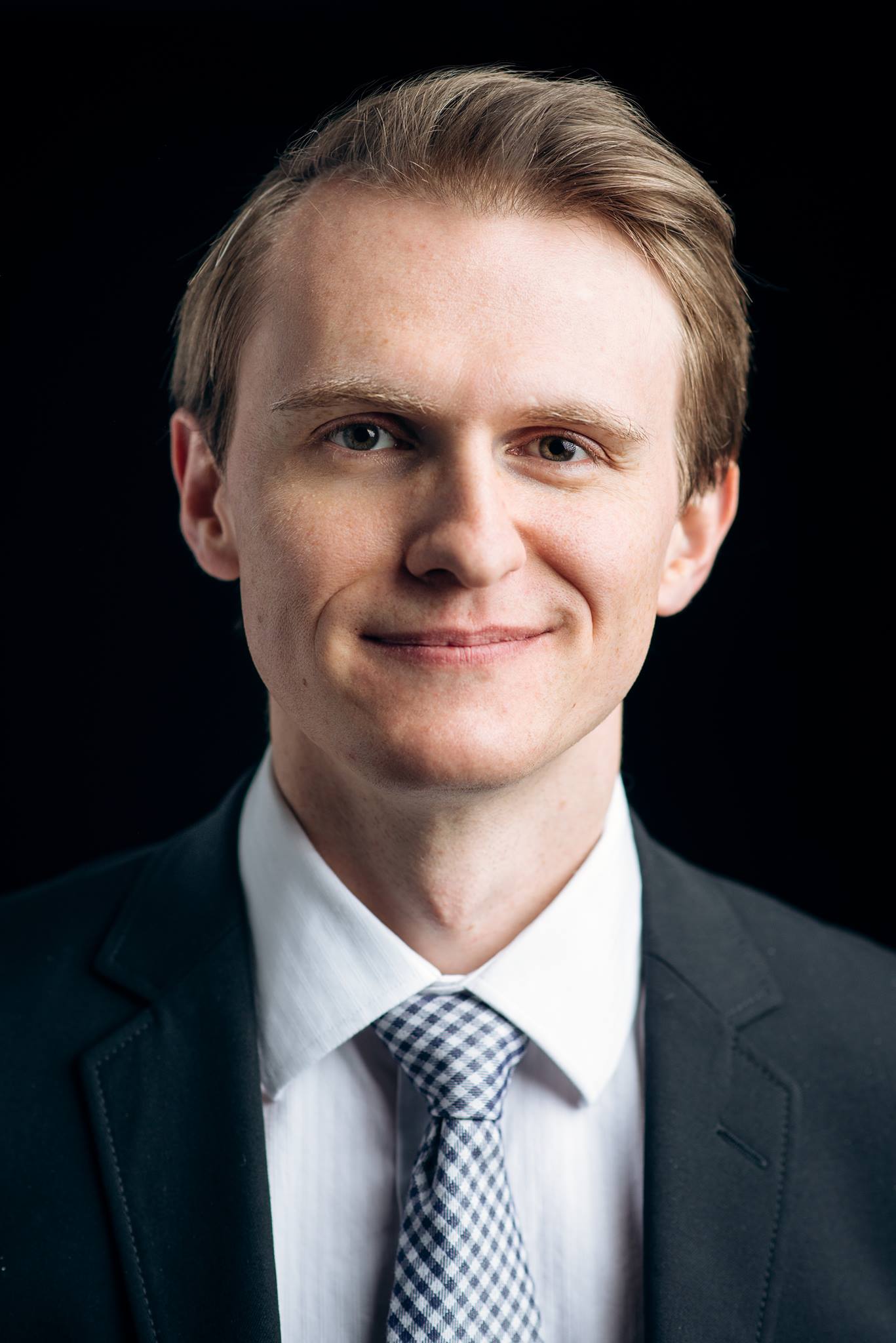
Mark Edwards
Canadian harpsichordist and organist
12
APPEARANCES
12
PODCASTS
Sep 18, 2026


Mark EdwardsGUEST
If you kind of think of somebody like Alan Sugar or Jeremy Dyson or even, dare I say, Donald Trump, these kind of very powerful, rich families.
Mark EdwardsGUEST
So the patriarch of this family is called Charles Grant and he made his fortune selling computer hardware.

Hannah MurrayHOST
So when you've got lots of twists and turns and things like that, is it important to plot it all beforehand? Do you need to plan it all out a bit? Yeah.

speaker_0HOST
Right
Mark EdwardsGUEST
The, a, a Golden Slayer Sword winner can enter the competition every year, and I know in the UK alone, there's eight Slayer Sword winners.
17 MINS LATER
speaker_0HOST
Yeah.


Mark EdwardsGUEST
For me, working with and talking with parents specifically, there are a couple of things to bear in mind.
Mark EdwardsGUEST
The first is that as a parent, one of the things that makes parenting so difficult is that you're often working on two levels at the same time.
Mark EdwardsGUEST
In the case of, "Mom, I need some money for Robux," or, "Mom, I need some money for this new skin or this new weapon," there is the immediate moment.
Mark EdwardsGUEST
Do I reinforce this with my child? Do I allow my child to feel successful? Do I allow my child to have the thing that they want in the moment? At the same time, that one of the difficulties of being a parent is that you're parenting not just for now, but for where your child will be in six weeks, six months, and six years.
Mark EdwardsGUEST
And one of the lessons that parents can instill with their children, one of the possibilities that having this negotiation about in-app purchases or in-game purchases, what that prese- uh, presents to you is the opportunity to talk with kids about specifically what is it that this purchase will get you? Is this purchase something that's worth buying right now? Now, in the moment, that's an important and, and useful conversation to have, but it's also something that will be much more important as time goes by.
Mark EdwardsGUEST
What starts off as a few dollars for an in, in-game purchase right now turns into designer jeans or this car over that car or a house in this neighborhood over that neighborhood.


Susie GreenHOST
I am, I'm always really interested in like audience questions at festival events because they can come out of nowhere, some of them, can't they? Have you ever had any memorable experiences with your audience questions?
Mark EdwardsGUEST
I mean, usually I think there's certain questions that you always get asked, like, are you a plotter? Are you a pantser? And which is your favorite of your books? And is there going to be a film or TV adaptation? You can always kind of expect those questions, which I'm always really happy to answer.


Mark EdwardsGUEST
So the latest project we've been working on has been, so we moved from residential into commercial.
Mark EdwardsGUEST
We restructured the self-managed super fund with, as Sam said, a number of our super funds around the place.
Mark EdwardsGUEST
And this is a learning that... a lot of people do is say, particularly in my case, is that you move a job and they just basically say, here is your new super fund that you're going to be contributing to.
Mark EdwardsGUEST
And all of a sudden you've got all of these returns that come in, so end of July saying, here's your super fund and you have made 13 cents and here is another super fund.
20 MINS LATER

Tyrone ShumHOST
In terms of getting on the bandwagon of trends of co-living spaces and the experienced economy, Edwards and McLean also want to try their hand at doing that too.

Tyrone ShumHOST
Edwards tells us about how he got into property investment, in particular a property he built when he was just starting out in the world of property.
Mark EdwardsGUEST
From my side of things, it was more, you know, sort of jumping in with my own two feet.
Mark EdwardsGUEST
There was no real solid foundation from what home looked like, and that was something that I wanted to build in the literal sense.
Mark EdwardsGUEST
But one thing which I found I, I did, I got a, like, I got a, um, I got the bug, the bug for building.
Mark EdwardsGUEST
Um, and as I said, first home I built was a little 11 square, you know, sort of eight-meter-wide villa block out in, uh, far western Sydney, and um, you know, just straight off the plan with Marsden Homes.
Mark EdwardsGUEST
I remember very vividly that house being built in 14 weeks or something, because it was basically just ...


Mark EdwardsGUEST
I will say when it started happening, I was like, There's no way this will be a big time commitment.
8 MINS LATER

Ryan Van PattenHOST
So we're not gonna, you know, like fix all of the potential biases in the human mind, but I'm interested to hear your thoughts on this heuristic that we have and then what we can do about it.
Mark EdwardsGUEST
Yeah, but I, I think you're right that it's not possible to-- well, it's difficult to fix directly because that is the way we, you know, we-- I think thinking is, you know, it's often assigning things into categories or groups that allow you to say, "That's that.
Mark EdwardsGUEST
So knowing that or-- and admitting that these categories are imperfect and they, they are fundamentally points of perspective, really.
7 MINS LATER
Ryan Van PattenHOST
So I'm interested to hear from you what we can learn from some of the work in FND and how we can extrapolate it to better understand brain-mind-body connections.


Cameron ZingerHOST
How can creators protect themselves? So Mark, what's the first thing that they should do before they even start pre-production? Well, the first thing
Mark EdwardsGUEST
I would say to a creator is that the only foolproof way to protect your idea or your work is not to share it with anybody.
Mark EdwardsGUEST
But that's very impractical, very difficult to get a film or television product made without the efforts of others.
Mark EdwardsGUEST
But there's a point there to that, and that is that, number one, sharing it before it's ready to be shared.
Mark EdwardsGUEST
In other words, the more fully formed your idea, the more realized your concept or your script, and obviously, as we've discussed, it's recorded in some way, the less likely that you're going to encounter difficulties with someone else taking advantage of it.
Mark EdwardsGUEST
But assuming that you're going to collaborate, which we all do eventually, non-disclosure agreements can be useful.
9 MINS LATER
Jennifer ParkHOST
At what point should a creator call in the big guns and actually contact a lawyer or industry organization for backup?

CJHOST
Mm.
Mark EdwardsGUEST
So now when people compare, um, the new Kermit to Steve Whitmire, because Steve got fired, um, they're like, "Well, you're not even comparing it to Jim Henson anymore," because g- people like me, like, grew up watching the kind of new, like, resurgence of the Muppets through the '90s and early 2000s.
Mark EdwardsGUEST
Um, so even people's con- like, concept of what Kermit is or was is a bit skewed by just, like, Treasure Island and, um, uh, yeah-
21 MINS LATER
DaveHOST
[laughs]
Mark EdwardsGUEST
And then they also shoot some new scenes with an actor who looks like Jimmy Wang Wu, so they could have, like, a little bit more structure to the story.
Mark EdwardsGUEST
And then he dubs all the characters [laughs] poorly, and intentionally poorly.
Mark EdwardsGUEST
And it was, like, one of the early times where me and my brother were home alone, and so we got to just go pick a movie and order a pizza.


Mark EdwardsGUEST
We had a couple of patients who came in all from a road traffic accident where we ended up opening the chest.
Mark EdwardsGUEST
And certainly when I was in London, it would be a weekly occurrence, if not monthly, so...
Mark EdwardsGUEST
I'm a vascular and major trauma surgeon, and I teach here for the Royal College of Surgeons on the Definitive Surgical Trauma Skills course.