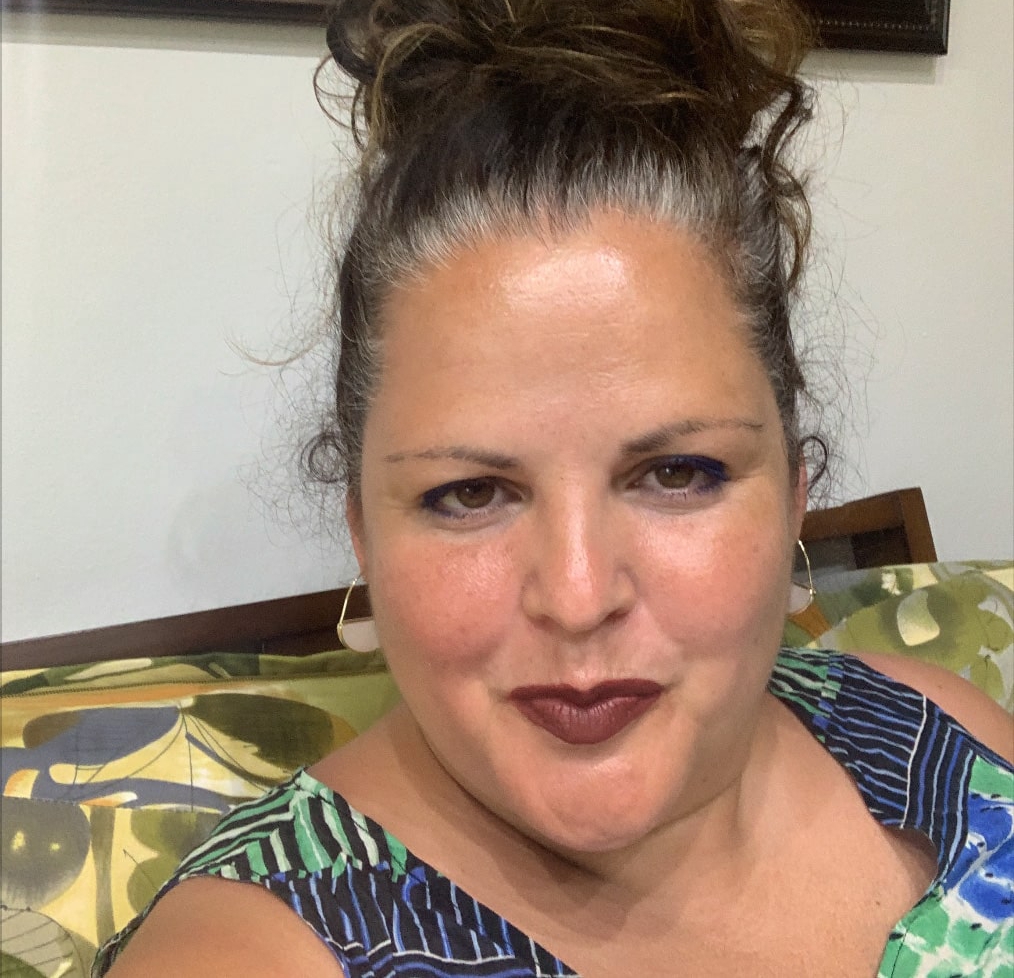
Marisol Negrón
Associate Professor of American Studies and Latino Studies at UMass Boston; author of "Made in NuYoRico: Fania Records, Latin Music, and Salsa's Nuyorican Meanings" (Duke University Press 2024).
4
APPEARANCES
1
PODCASTS
Jun 30, 2026


Rosie PerezHOST
Here's Marisol Negrón, assistant professor at UMass Boston and author of the book Made in Nuyorica.

Marisol NegrónGUEST
By the mid-1970s, the image of salsa as a Black urban music of poor and working class Puerto Ricans becomes less fashionable, so that then by the mid-'70s we get the narrative, yes, it's music in New York, but actually it comes from Africa.
Marisol NegrónGUEST
To enjoy being a musician and gigging and being a part of this incredible moment of possibility that is taking place at a cost that always favors the label.
6 MINS LATER
Marisol NegrónGUEST
When it comes to acceptable Latinidad, an acceptable Latinidad as prescribed within Latinx communities, right, is that you can't be too Black, you can't be too poor, you can't be too sexual, you can't be too loud, too emotional, or too theatrical.
Marisol NegrónGUEST
And she was disciplined for it by the label, by band leaders like Tito Puente, and by fans who, who criticized her.
Rosie PerezHOST
Marisol Negrón is an assistant professor and author of the book Made in Nuyorica.
Marisol NegrónGUEST
Willie Colón and Héctor Lavoe were already emerging, right, as salsa's bad boys in this period, and so there's already a community and excitement around this thing that would come to be called salsa during this period.
13 MINS LATER
Rosie PerezHOST
[upbeat music] So look, everything seems golden, right? Our Latin thing was a hit, the industry is now promoting salsa as a genre, the singers are getting their heyday, everyone is creating community, business is booming, music is musicing, musicians are vibing.
Marisol NegrónGUEST
Pacheco's vision as he expressed to me and to others was certainly to create a place where artists were valued as individuals, where they were valued as creators, as they were valued as artists.
speaker_12SOUNDBITE_SPEAKER
Well, it was new, it was interesting, it was exciting, it was fun
Marisol NegrónGUEST
funIn some ways, it is absolutely a marketing strategy, right? Of salsa as a, you know, man's music, right? We're real men making real music.
Rosie PerezHOST
Marisol Negrón is an assistant professor at UMass Boston and author of the book Made in Nuyorica.
Marisol NegrónGUEST
It's about taking that trope of Puerto Rican criminality and of Puerto Rican presence in the streets of New York as a threat to, quote, "real New Yorkers" and turning it on its head.
Marisol NegrónGUEST
I'm the criminal who is killing you [laughs] with my music because you're dancing all night, and you're dying of exhaustion.
Marisol NegrónGUEST
And the music takes that position and turns it on its head and says, "Yeah, I am a criminal."