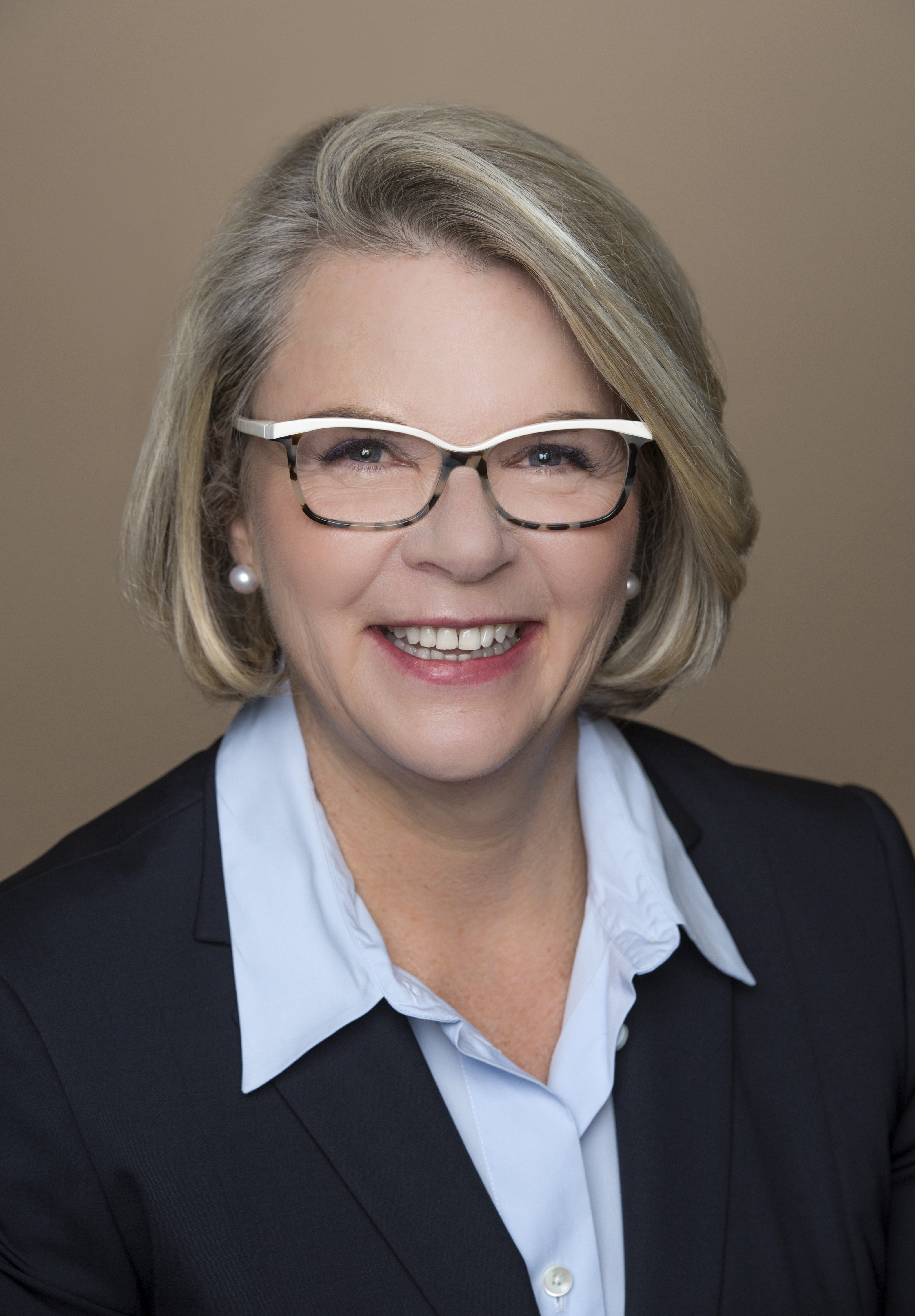
Margaret Spellings
Former United States Secretary of Education
5
APPEARANCES
5
PODCASTS
Sep 17, 2026


Abby McCloskeyHOST
And do we know if kind of this amount of tech exists? is supporting learning, or is this part of the reason for the declining scores, too?

Margaret SpellingsGUEST
I'm not sure it's the biggest part, and that, frankly, just gives me an opportunity to plug federal research around education practice.
Margaret SpellingsGUEST
You know, we too often just wander in the wilderness about, well, what are the facts? How do we parse those things? How do we fully understand why kids aren't showing up? What is the effect of screens? And so forth.
Margaret SpellingsGUEST
And, you know, we can't expect individual school districts or even states to mount a fulsome gold standard research effort.
Margaret SpellingsGUEST
That is what has long been a big part of the federal government's role and why I believe, and we'll get into this, that we do need that federal role in education.
Margaret SpellingsGUEST
So, yes, screens have to be part of it, or that's a good thesis, I think.
20 MINS LATER
Abby McCloskeyHOST
And again, it feels really controversial, all this, you know, maybe it's always been, but I would just be curious your thought about how does the school choice, the public vouchers for private school, how does all of this fit into the landscape of the main thing about how do we improve student achievement scores at school?


Shannon BreamHOST
What about holding schools, school districts more accountable when they don't meet those measurements?
Margaret SpellingsGUEST
You have to use that data then, uh, on the what are we gonna do about it.
Margaret SpellingsGUEST
But really things often are pretty upside down in education, where we have our best people doing the easiest work, and our most inexperienced people doing the hardest, most challenging work, and then we're surprised by the results.

Shannon BreamHOST
What about holding schools, school districts more accountable when they don't meet those measurements?
Margaret SpellingsGUEST
You have to use that data then on the what are we gonna do about it? But really things often are pretty upside down in education, where we have our best people doing the easiest work, and our most inexperienced people doing the hardest, most challenging work, and then we're surprised by the results.


Margaret SpellingsGUEST
Well, I have a lot of questions, as you might imagine, as school districts and universities and governors and attorneys general, uh, also have questions.
Margaret SpellingsGUEST
Uh, if we eliminate half the workforce for the Office of Civil Rights, for example, what's their case log? I mean, how are they gonna get through the work that they're required and, and Secretary McMahon took a oath to preserve.
Margaret SpellingsGUEST
And so I think The Hill is gonna, the Congress is gonna have questions about these things.
Margaret SpellingsGUEST
In fact, the Department of Education has expressed prohibitions to mandate curriculum, reading lists, tests, any of it.


Scott DetrowHOST
How different to you is this particular moment, what the Trump administration is calling for, from what we've seen for decades?
Margaret SpellingsGUEST
I mean, it, it's been sort of standard Republican orthodoxy, except for my former boss, George W. Bush.
Margaret SpellingsGUEST
Uh, a- and, you know, is it right for us to, to calibrate the right role between the feds, the states, and the locals? You bet, and we've been doing that over the many decades, uh, from very, uh, minuscule to more muscular as we've had in, in the time with more accountability and more attention around student achievement.
Margaret SpellingsGUEST
And that's the other thing that I worry about getting lost on the cutting room floor is transparency around, uh, the quality of education for all kids, and the accountability muscle that we have through the National Education Report Card, and requirements for assessment in reading and math in a disaggregated way.
Margaret SpellingsGUEST
That data is particularly troubling for low income and, and special needs students who really have not recovered at all from COVID.