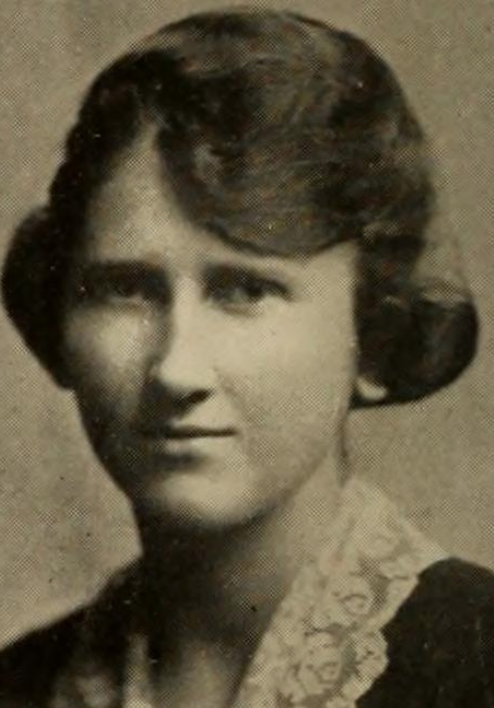
Margaret Farrar
American journalist
8
APPEARANCES
8
PODCASTS
Aug 10, 2026

Ryan ReynoldsADVERTISER
Sip responsibly.

Margaret E. FarrarGUEST
And when we're talking about kind of heritage, there are lots of elements to this.
Margaret E. FarrarGUEST
There's the sort of let's go back in time and see what things used to be like, but one of you mentioned briefly there's a sort of Swedish immigrant specific aspect to it.
Margaret E. FarrarGUEST
I mean, what is this sort of being in the midst of this heritage industry and all of these visitors? Um, surely they can't all be Swedish.
Margaret E. FarrarGUEST
Like, what does that mean for senses of identity and kind of thinking about history, but also trying to live your life? That's such a great question, and I, I think there's a couple different ways to answer it.
Margaret E. FarrarGUEST
One of the things that we talk about in the book is how, um, the Swedish identity has morphed over time, right? So it's not one thing, and it's not something that's remained static because, of course, the village was founded by people who were rejecting Sweden, right? [laughs] Um, they were coming to America to reject, uh, the Swedish state and the Swedish state's, um, own version of Lutheranism, and so in very many ways, they were turning their back on all things Swedish, right? And- Also, as with many immigrant communities, right? When you get the second generation of immigrants to a place, they have no desire at all to look back to the old country, right? [laughs] They, they want to become Americans.
Margaret E. FarrarGUEST
And so this notion that it was always, um, sort of interested in its own heritage is, is a false one.
8 MINS LATER
Miranda MelcherHOST
We've talked a bit about the history and sort of, but what if we're looking today and in the future?

Miranda MelcherHOST
So what are all the things that are not in that story? What are the aspects that maybe should be included but aren't necessarily?
Margaret FarrarGUEST
I think as we got to know the village more, part of our goal in this project was to set the village of Bishop Hill, this tiny, tiny community, inside a much broader temporal and geographic context.
Margaret FarrarGUEST
Some of the consequence of the narrative that Adam was talking about, the sort of simplification or two-dimensionification of the narrative, almost means that Bishop Hill could be anywhere.
Margaret FarrarGUEST
Like it's such a familiar story for Americans, particularly these pioneers carving out the frontier, fleeing religious persecution, that it almost gets lost where Bishop Hill is, right? And so we wanted to place that village in the context of making this entity that we call the Midwest in the United States, right? So most obviously absent from that tourist-friendly sort of version, that eight-minute soundbite version of Bishop Hill, is Native American presence in the area, right? Both before and then during the colony's establishment by the Swedes, by the Jansenists.
Margaret FarrarGUEST
So as we talk about in the book, the Sauk and Meskwaki peoples had occupied that area of the state for literally decades.
Margaret FarrarGUEST
And before them, of course, the land had been occupied for literally millennia, right? So this notion that history begins with the introduction of the Swedish colony is a huge sort of absence in the traditional tourist narrative.
Margaret FarrarGUEST
There's other ways that Bishop Hill kind of recodes itself from its surroundings as well.
16 MINS LATER
Miranda MelcherHOST
Where is Bishop Hill at kind of now and going forward? We've talked a bit about the history and sort of, but what if we're looking today and in the future? Sure.

Miranda MelcherHOST
So what are all the things that are not in that story? What are the aspects that maybe should be included but aren't necessarily?
Margaret E. FarrarGUEST
I think, you know, as we got to know the village more, part of our goal in this project was to set the village of Bishop Hill, this tiny, tiny community, inside a much broader temporal and geographic context.
Margaret E. FarrarGUEST
Some of the consequence of the narrative that Adam was talking about, this sort of simplification or two-dimensionification of the narrative, almost means that Bishop Hill could be anywhere.
Margaret E. FarrarGUEST
Like it's such a familiar story for Americans, particularly these pioneers carving out the frontier, fleeing religious persecution, that it almost gets lost where Bishop Hill is, right? And so we wanted to place that village in the context of making this entity that we call the Midwest in the United States, right? So most obviously absent from that tourist-friendly sort of version, that eight-minute soundbite version of Bishop Hill, is Native American presence in the area, right? Both before and then during the colony's establishment by the Swedes, by the Jansenists, right? So as we talk about in the book, the Sauk and Meskwaki peoples had occupied that area of the state for literally decades.
Margaret E. FarrarGUEST
And before them, of course, the land had been occupied for literally millennia, right? So this notion that history begins with the introduction of the Swedish colony is a huge sort of absence in the traditional tourist narrative.
Margaret E. FarrarGUEST
There's other ways that Bishop Hill kind of recodes itself from its surroundings as well.
Margaret E. FarrarGUEST
So Illinois as a state has an incredibly complicated racial history too.
16 MINS LATER
Miranda MelcherHOST
Where is Bishop Hill at kind of now and going forward? We've talked a bit about the history and sort of, but what if we're looking today and in the future? Sure.

Miranda MelcherHOST
So what are all the things that are not in that story? What are the aspects that maybe should be included but aren't necessarily?
Margaret E. FarrarGUEST
I think, as we got to know the village more, part of our goal in this project was to set the village of Bishop Hill, this tiny, tiny community, inside a much broader temporal and geographic context.
Margaret E. FarrarGUEST
Some of the consequence of the narrative that Adam was talking about, the sort of simplification or two-dimensionification of the narrative, almost means that Bishop Hill could be anywhere.
Margaret E. FarrarGUEST
Like it's such a familiar story for Americans, particularly these pioneers carving out the frontier, fleeing religious persecution, that it almost gets lost where Bishop Hill is, right? And so we wanted to place that village in the context of making this entity that we call the Midwest in the United States, right? So most obviously absent from that tourist-friendly sort of version, that eight-minute soundbite version of Bishop Hill, is Native American presence in the area, right? Both before and then during the colony's establishment by the Swedes, by the Jansenists.
Margaret E. FarrarGUEST
So as we talk about in the book, the Sauk and Meskwaki peoples had occupied that area of the state for literally decades.
Margaret E. FarrarGUEST
And before them, of course, the land had been occupied for literally millennia, right? So this notion that history begins with the introduction of the Swedish colony.
16 MINS LATER
Miranda MelcherHOST
Where is Bishop Hill at kind of now and going forward? We've talked a bit about the history, but what if we're looking today and in the future?

Miranda MelcherHOST
So what are all the things that are not in that story? What are the aspects that maybe should be included but aren't necessarily?
Margaret E. FarrarGUEST
I think, you know, a- as we got to know the village more, part of our goal in this project was to set the village of Bishop Hill, this tiny, tiny community, inside a much broader temporal and geographic context.
Margaret E. FarrarGUEST
Um, some of the, um, consequence of the narrative that Adam was talking about, the sort of simplification or two-dimensionification of the narrative almost means that Bishop Hill could be anywhere.
Margaret E. FarrarGUEST
Like, it's such a familiar story, um, for Americans particularly, this, th- these pioneers carving out the frontier, fleeing religious persecution, that it almost gets lost where, where Bishop Hill is, right? And so we wanted to place that village in the context of making this entity that we call the Midwest in the United States, right? So most obviously absent from that tourist-friendly sort of version, that eight-minute soundbite version of Bishop Hill, is Native American presence in the area, right? Um, both before and then during the colony's establishment by the Swedes, by the Jansenists.
Margaret E. FarrarGUEST
So as we talk about in the book, the Sauk and Meskwaki peoples had occupied that area of the state for literally decades, and before them, of course, um, the an- the land had been occupied for literally millennia, right? [laughs] So this notion that history begins with the introduction of the Swedish colony is a, a huge, um, uh, sort of absence in, in the traditional tourist narrative.
Margaret E. FarrarGUEST
Um, there's other ways that Bishop Hill kind of recodes itself, um, from its surroundings as well.
Margaret E. FarrarGUEST
So Illinois as a state has an incredibly complicated racial history too.
15 MINS LATER


Miranda MelcherHOST
So what are all the things that are not in that story? What are the aspects that maybe should be included but aren't necessarily?
Margaret FarrarGUEST
I think, as we got to know the village more, part of our goal in this project was to set the village of Bishop Hill, this tiny, tiny community, inside a much broader temporal and geographic context.
Margaret FarrarGUEST
Some of the consequence of the narrative that Adam was talking about, the sort of simplification or two-dimensionification of the narrative, almost means that Bishop Hill could be anywhere.
Margaret FarrarGUEST
Like it's such a familiar story for Americans, particularly these pioneers carving out the frontier, fleeing religious persecution, that it almost gets lost where Bishop Hill is, right? And so we wanted to place that village in the context of making this entity that we call the Midwest in the United States, right? So most obviously absent from that tourist-friendly sort of version, that eight-minute soundbite version of Bishop Hill, is Native American presence in the area, right? Both before and then during the colony's establishment by the Swedes, by the Jansenists.
Margaret FarrarGUEST
So as we talk about in the book, the Sauk and Meskwaki peoples had occupied that area of the state for literally decades.
Margaret FarrarGUEST
And before them, of course, the land had been occupied for literally millennia, right? So this notion that history begins with the introduction of the Swedish colony is a huge sort of absence in the traditional tourist narrative.
Margaret FarrarGUEST
There's other ways that Bishop Hill kind of recodes itself from its surroundings as well.
16 MINS LATER
Miranda MelcherHOST
Where is Bishop Hill at kind of now and going forward? We've talked a bit about the history, but what if we're looking today and in the

Miranda MelcherHOST
So what are all the things that are not in that story? What are the aspects that maybe should be included but aren't necessarily?
Margaret E. FarrarGUEST
I think, you know, a- as we got to know the village more, part of our goal in this project was to set the village of Bishop Hill, this tiny, tiny community, inside a much broader temporal and geographic context.
Margaret E. FarrarGUEST
Um, some of the, um, consequence of the narrative that Adam was talking about, the sort of simplification or two-dimensionification of the narrative almost means that Bishop Hill could be anywhere.
Margaret E. FarrarGUEST
Like it's such a familiar story, um, for Americans particularly, this, th- these pioneers carving out the frontier, fleeing religious persecution, that it almost gets lost where, where Bishop Hill is, right? And so we wanted to place that village in the context of making this entity that we call the Midwest in the United States, right? So most obviously absent from that tourist-friendly sort of version, that eight-minute soundbite version of Bishop Hill, is Native American presence in the area Right? Um, both before and then during the colony's establishment by the Swedes, by the Jansenists.
Margaret E. FarrarGUEST
So as we talk about in the book, the Sauk and Meskwaki peoples had occupied that area of the state for literally decades, and before them, of course, um, the and, the land had been occupied for literally millennia, right? So this notion that history begins with the introduction of the Swedish colony is a, a huge, um, a, a sort of absence in, in the traditional tourist narrative.
Margaret E. FarrarGUEST
Um, there's other ways that Bishop Hill kind of recodes itself, um, from its surroundings as well.
Margaret E. FarrarGUEST
So Illinois as a state has an incredibly complicated racial history too.
16 MINS LATER
Miranda MelcherHOST
You, we've talked a bit about the history and sort of, but what if we're looking today and in the future?

Miranda MelcherHOST
So what are all the things that are not in that story? What are the aspects that maybe should be included but aren't necessarily?
Margaret E. FarrarGUEST
I think, as we got to know the village more, part of our goal in this project was to set the village of Bishop Hill, this tiny, tiny community, inside a much broader temporal and geographic context.
Margaret E. FarrarGUEST
Some of the consequence of the narrative that Adam was talking about, the sort of simplification or two-dimensionification of the narrative, almost means that Bishop Hill could be anywhere.
Margaret E. FarrarGUEST
Like it's such a familiar story for Americans, particularly these pioneers carving out the frontier, fleeing religious persecution, that it almost gets lost where Bishop Hill is, right? And so we wanted to place that village in the context of making this entity that we call the Midwest in the United States, right? So most obviously absent from that tourist-friendly sort of version, that eight-minute soundbite version of Bishop Hill, is Native American presence in the area, right? Both before and then during the colony's establishment by the Swedes, by the Jansenists.
Margaret E. FarrarGUEST
So as we talk about in the book, the Sauk and Meskwaki peoples had occupied that area of the state for literally decades.
Margaret E. FarrarGUEST
And before them, of course, the land had been occupied for literally millennia, right? So this notion that history begins with the introduction of the Swedish colony is a huge sort of absence in the traditional tourist narrative.
Margaret E. FarrarGUEST
There's other ways that Bishop Hill kind of recodes itself from its surroundings as well.
16 MINS LATER
Miranda MelcherHOST
Where is Bishop Hill at kind of now and going forward? We've talked a bit about the history, but what if we're looking today and in the future? Sure.