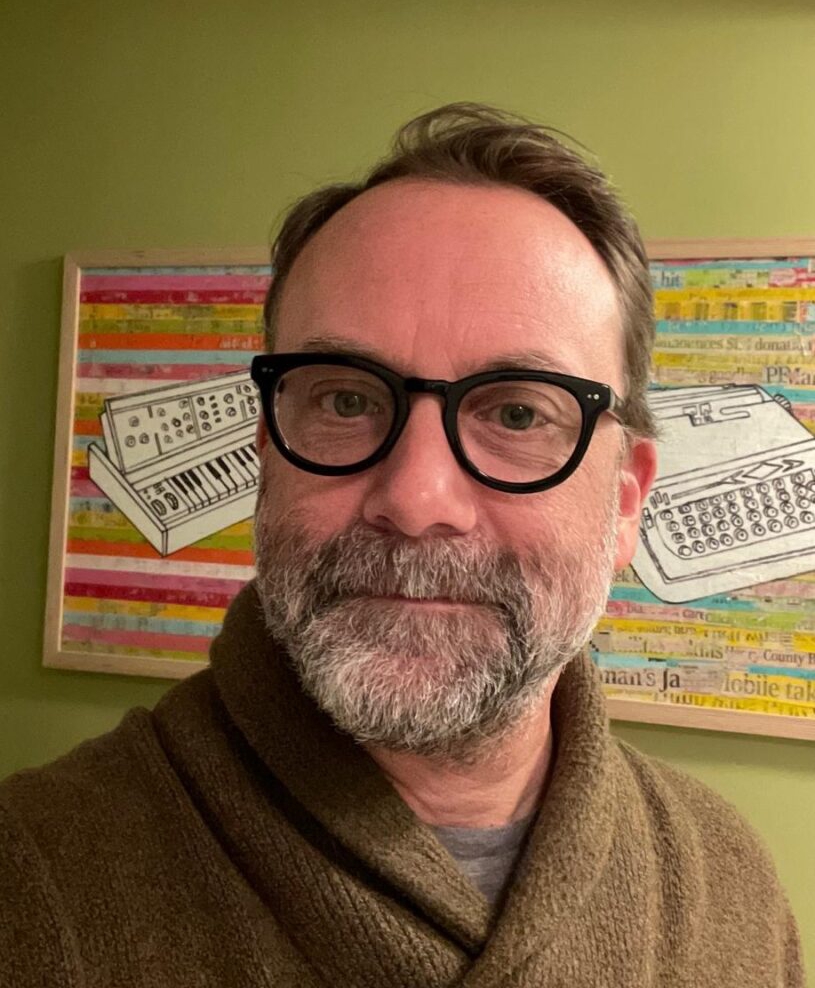
Adam Kaul
Professor of Anthropology at Augustana College, specializing in tourism, cultural heritage, and Irish music.
8
APPEARANCES
8
PODCASTS
Aug 10, 2026

Miranda MelcherHOST
So can we talk about the kind of tourist story and the tourist aspect as sort of an industry? When, for example, do we see the heritage tourism industry kind of really become a thing here with that particular narrative?

Adam KaulGUEST
Well, they started commemorating their own history really early on, so, um, just 50 years after the establishment of the colony in 1846, so y- fast-forward to, um, 1896, they held, um, their first major commemoration.
Adam KaulGUEST
Um, local dignitaries showed up, and there was also an, a, a local painter named Olof Cronse, who really wanted to...
Adam KaulGUEST
He sort of aspired to become a fine art painter, but today he's considered a kind of, um, you know, folk art painter really.
Adam KaulGUEST
So he never quite achieved the kind of fine art skills, but he started painting, um, scenes from his own memory, from his own childhood memory, um, of the colony, and also just stories that people would tell about the early colony days.
Adam KaulGUEST
So these images have kind of come down to us as sort of the first moment of a pretty intense and very nostalgic kind of commemoration of the original colony.
15 MINS LATER
Miranda MelcherHOST
So perhaps to conclude, what do you both hope that readers, those from within academia and beyond, take from this book, whether to the rest of the country or even beyond?

Miranda MelcherHOST
So can we talk about the kind of tourist story and the tourist aspect as sort of an industry? When, for example, do we see the heritage tourism industry kind of really become a thing here with that particular narrative?
Adam KaulGUEST
So just 50 years after the establishment of the colony in 1846, so you fast forward to 1896, they held their first major commemoration.
Adam KaulGUEST
So they gathered together descendants from the original colonies, local dignitaries, showed up and there was also a local painter named Olaf Kranz who really wanted to, he sort of aspired to become a fine art painter, but today he's considered a kind of, you know, folk art painter really.
Adam KaulGUEST
So he never quite achieved the kind of fine art skills, but he started painting scenes from his own memory, from his own childhood memory of the colony and also just stories that people would tell about the early colony days.
Adam KaulGUEST
So, these images have kind of come down to us as sort of the first moment of a pretty intense and very nostalgic kind of commemoration of the original colony.
Adam KaulGUEST
And all of that kind of led into the 20th century as some of the buildings started to crumble away because they had been held communally And then when they kind of sold off individual shares in these buildings, some of the buildings came down to be owned by dozens of families.
16 MINS LATER
Miranda MelcherHOST
Yeah I mean that part definitely seems relevant across many more places than just Bishop Hill and that is Adam something you were mentioning a little bit about earlier so perhaps to conclude what do you both hope that readers those from within academia and beyond take from this book whether to the rest of the country or even beyond?

Miranda MelcherHOST
So can we talk about the kind of tourist story and the tourist aspect as sort of an industry? When, for example, do we see the heritage tourism industry kind of really become a thing here with that particular narrative?
Adam KaulGUEST
Just 50 years after the establishment of the colony in 1846, fast forward to 1896, they held their first major commemoration.
Adam KaulGUEST
They gathered together descendants from the original colonies, local dignitaries, showed up.
Adam KaulGUEST
And there was also a local painter named Olaf Kranz, who really wanted to, he sort of aspired to become a fine art painter, but today he's considered a kind of, you know, folk art painter, really.
Adam KaulGUEST
So he never quite achieved the kind of fine art skills, but he started painting scenes from his own memory, from his own childhood memory of the colony, and also just stories that people would tell about the early colony days.
Adam KaulGUEST
So these images have kind of come down to us as sort of the first moment of a pretty intense and very nostalgic kind of commemoration of the original colony.
16 MINS LATER
Miranda MelcherHOST
yeah i mean that part definitely seems relevant across many more places than just bishop hill um and that is adam something you were mentioning a little bit about earlier so perhaps to conclude what do you both hope that readers those from within academia and beyond take from this book whether to the rest of the country or even beyond

Miranda MelcherHOST
So can we talk about the kind of tourist story and the tourist aspect as sort of an industry? When, for example, do we see the heritage tourism industry kind of really become a thing here with that particular narrative?
Adam KaulGUEST
So just 50 years after the establishment of the colony in 1846, so you fast forward to 1896, they held their first major commemoration.
Adam KaulGUEST
So they gathered together descendants from the original colonies, local dignitaries, showed up and there was also a local painter named Olaf Kranz who really wanted to, he sort of aspired to become a fine art painter, but today he's considered a kind of, you know, folk art painter, really.
Adam KaulGUEST
So he never quite achieved the kind of fine art skills, but he started painting scenes from his own memory, from his own childhood memory of the colony and also just stories that people would tell about the early colony days.
Adam KaulGUEST
So, these images have kind of come down to us as sort of the first moment of a pretty intense and very nostalgic kind of commemoration of the original colony.
Adam KaulGUEST
And all of that kind of led into the 20th century as some of the buildings started to crumble away because they had been held communally And then when they kind of sold off individual shares in these buildings, some of the buildings came down to be owned by dozens of families.
16 MINS LATER
Miranda MelcherHOST
Yeah I mean that part definitely seems relevant across many more places than just Bishop Hill and that is Adam something you were mentioning a little bit about earlier so perhaps to conclude what do you both hope that readers those from within academia and beyond take from this book whether to the rest of the country or even beyond?

Miranda MelcherHOST
So can we talk about the kind of tourist story and the tourist aspect as sort of an industry? When, for example, do we see the heritage tourism industry kind of really become a thing here with that particular narrative?
Adam KaulGUEST
Well, they started commemorating their own history really early on, so, um, just 50 years after the establishment of the colony in 1846, so you fast-forward to, um, 1896, they held, um, their first major commemoration.
Adam KaulGUEST
Um, local dignitaries showed up, and there was also an, a, a local painter named Olof Cronse who really wanted to...
Adam KaulGUEST
He sort of aspired to become a fine art painter, but today he's considered a kind of, um, you know, folk art painter really.
Adam KaulGUEST
So he never quite achieved the kind of fine art skills, but he started painting, um, scenes from his own memory, from his own childhood memory, um, of the colony, and also just stories that people would tell about the early colony days.
Adam KaulGUEST
So these images have kind of come down to us as sort of a first moment of a pretty intense and very nostalgic kind of commemoration of the original colony.
15 MINS LATER

Margaret E. FarrarGUEST
So there's this very public conversation about how we present our history, how we understand our history, who's included in our history, and that's also reflected in Bishop Hill as well.

Miranda MelcherHOST
So can we talk about the kind of tourist story and the tourist aspect as sort of an industry? When, for example, do we see the heritage tourism industry kind of really become a thing here with that particular narrative?
Adam KaulGUEST
So just 50 years after the establishment of the colony in 1846, so you fast forward to 1896, they held their first major commemoration.
Adam KaulGUEST
So they gathered together descendants from the original colonies, local dignitaries, showed up and there was also a local painter named Olaf Kranz who really wanted to, he sort of aspired to become a fine art painter, but today he's considered a kind of, you know, folk art painter, really.
Adam KaulGUEST
So he never quite achieved the kind of fine art skills, but he started painting scenes from his own memory, from his own childhood memory of the colony and also just stories that people would tell about the early colony days.
Adam KaulGUEST
So, these images have kind of come down to us as sort of the first moment of a pretty intense and very nostalgic kind of commemoration of the original colony.
Adam KaulGUEST
And all of that kind of led into the 20th century as some of the buildings started to crumble away because they had been held communally And then when they kind of sold off individual shares in these buildings, some of the buildings came down to be owned by dozens of families.
16 MINS LATER
Miranda MelcherHOST
Yeah I mean that part definitely seems relevant across many more places than just Bishop Hill and that is Adam something you were mentioning a little bit about earlier so perhaps to conclude what do you both hope that readers those from within academia and beyond take from this book whether to the rest of the country or even beyond?

Miranda MelcherHOST
So can we talk about the kind of tourist story and the tourist aspect as sort of an industry? When, for example, do we see the heritage tourism industry kind of really become a thing here with that particular narrative?
Adam KaulGUEST
So, um, just 50 years after the establishment of the colony in 1846, so you fast-forward to, um, 1896, they held, um, their first major commemoration.
Adam KaulGUEST
So they gathered together descendants from the original colonies, um, local dignitaries showed up, and there was also an- a, a local painter named Olof Cronse, who really wanted to...
Adam KaulGUEST
He sort of aspired to become a fine art painter, but today he's considered a kind of, um, you know, folk art painter really.
Adam KaulGUEST
But he started painting, um, scenes from his own memory, from his own childhood memory, um, of the colony, and also just stories that people would tell about the early colony days.
17 MINS LATER
Miranda MelcherHOST
So perhaps to conclude, what do you both hope that readers, those from within academia and beyond, take from this book, whether to the rest of the country or even beyond?

Miranda MelcherHOST
So can we talk about the kind of tourist story and the tourist aspect as sort of an industry? When, for example, do we see the heritage tourism industry kind of really become a thing here with that particular narrative?
Adam KaulGUEST
So just 50 years after the establishment of the colony in 1846, so you fast forward to 1896, they held their first major commemoration.
Adam KaulGUEST
So they gathered together descendants from the original colonies, local dignitaries, showed up and there was also a local painter named Olaf Kranz who really wanted to, he sort of aspired to become a fine art painter, but today he's considered a kind of, you know, folk art painter, really.
Adam KaulGUEST
So he never quite achieved the kind of fine art skills, but he started painting scenes from his own memory, from his own childhood memory of the colony and also just stories that people would tell about the early colony days.
Adam KaulGUEST
So, these images have kind of come down to us as sort of the first moment of a pretty intense and very nostalgic kind of commemoration of the original colony.
Adam KaulGUEST
And all of that kind of led into the 20th century as some of the buildings started to crumble away because they had been held communally And then when they kind of sold off individual shares in these buildings, some of the buildings came down to be owned by dozens of families.
16 MINS LATER
Miranda MelcherHOST
Yeah I mean that part definitely seems relevant across many more places than just Bishop Hill and that is Adam something you were mentioning a little bit about earlier so perhaps to conclude what do you both hope that readers those from within academia and beyond take from this book whether to the rest of the country or even beyond?