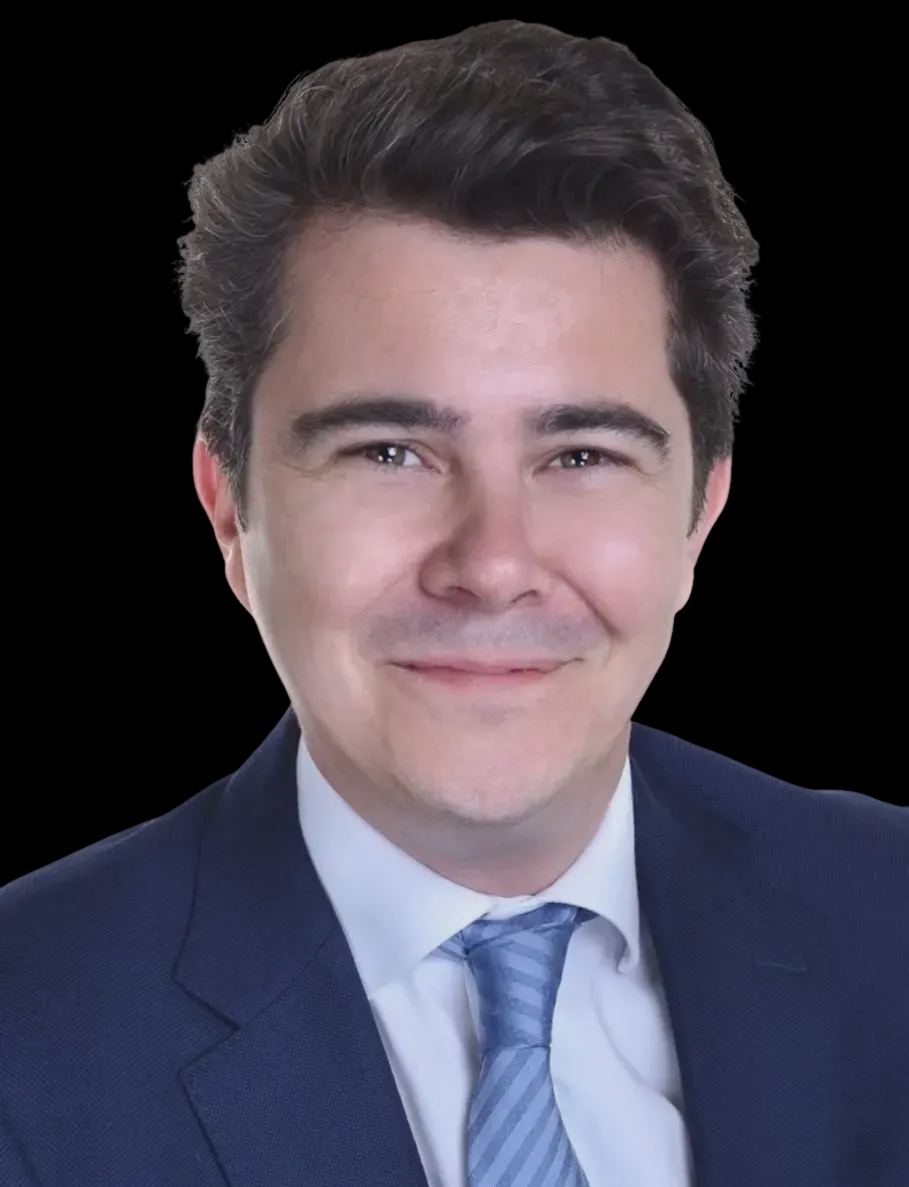
Marc Royer
Managing Director, Global Capital Advisory at Cushman & Wakefield, specializing in cross-border commercial real estate capital flows and an AFIRE editorial/leadership contributor.
1
APPEARANCES
1
PODCASTS
Sep 15, 2026


Gordon MarsdenGUEST
So you are getting a whole mix of different ways, types of organizations and then ways in which they are participating in the external markets.

Marc RoyerGUEST
And just to add on that, Gordon, I think it's interesting to look at this also from a historical perspective, you know, and just, you know, specifically thinking of how Japanese investors and corporations are organized around the Keiretsu system, which was, you know, unifying also and specializing by groups.
Marc RoyerGUEST
And that's that's also one of the reasons why the capital sources in Japan are so diverse and well beyond what people could actually imagine, where you have, you know, instead of having only the pension funds and the insurance companies and the investment managers, as you were rightly pointing out, you have the railway companies, you have the utilities companies, you have the trading companies, Tomitomo Corporation, for instance, or uh to give an example and and that provides a lot of depths obviously in terms of the the capital markets and it's also their appetite for real estate in general because in in japan they've historically had a higher allocation to uh to real estate than in than in other markets and hence why it is the second largest real estate market in the world And then also, what are the drivers of investing abroad? Well, first of all, from a demographic perspective, you have a population that's shrinking.
Marc RoyerGUEST
So you do have another dynamic when you are looking at Tokyo, because Tokyo is a larger city.
Marc RoyerGUEST
but on a on a national basis it is a you know shrinking population so they have to sort of look at other places to invest and that's why they are the you know an exporter of capital and they started you know it's interesting also seeing the journey of these investors you know whether perhaps focusing on the developer ones that were the first movers in terms of developing outside of their country.
Marc RoyerGUEST
They sort of experimented this first in their backyard, quote unquote, with the Southeast Asia.
7 MINS LATER
