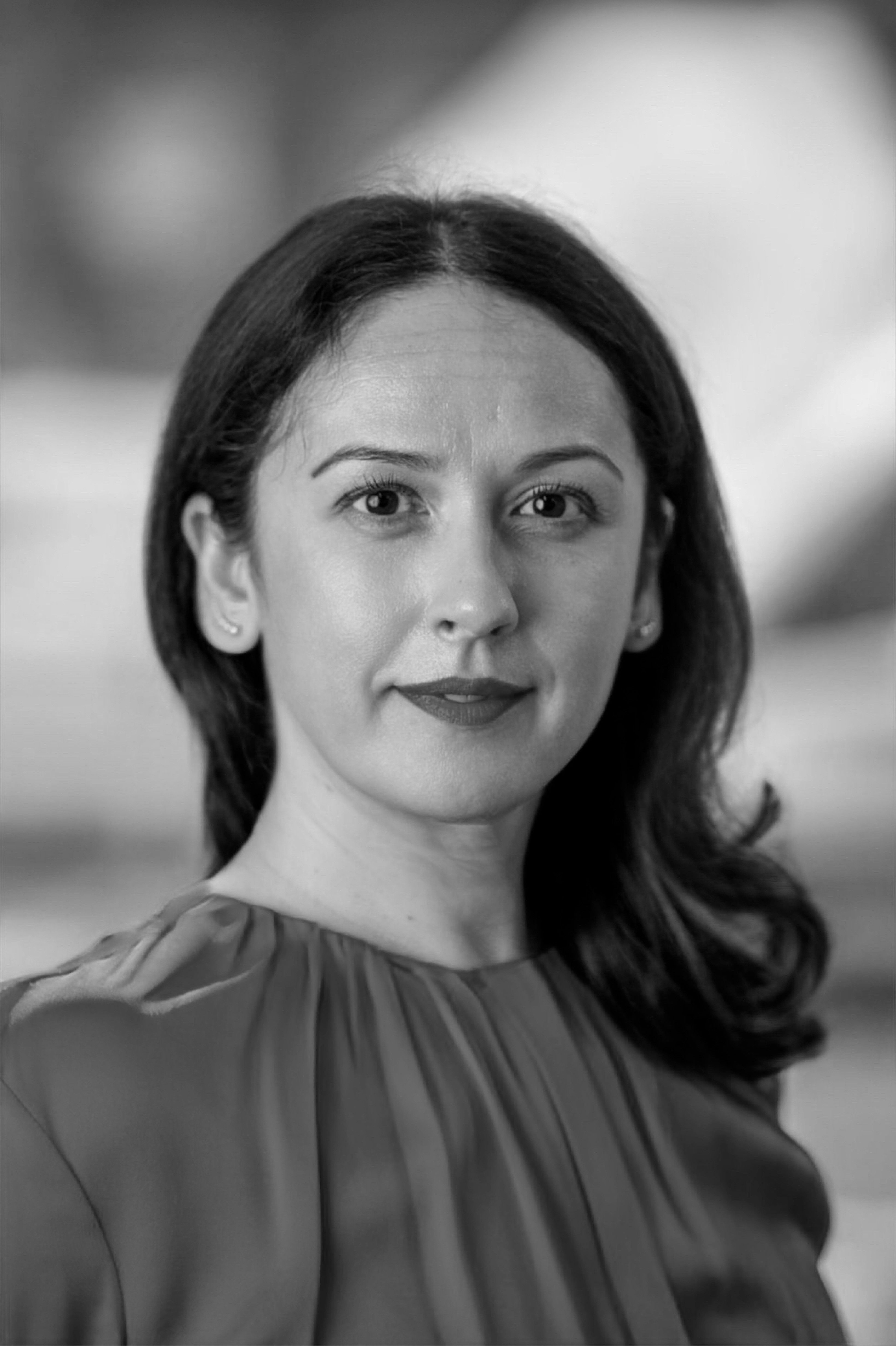
Magda Long
1
APPEARANCES
1
PODCASTS
Jul 1, 2026


Cathy HenlineHOST
Are criminal networks becoming more deeply woven into the way power is exercised internationally? And if so, how should we understand that shift?

Magda LongGUEST
So Heather and Matthew's work gives us a very useful way of thinking about different forms of the relationship between, uh, organized crime and state as we look at operatives and service providers, crime as a weapon, crime as funding, et cetera.
Magda LongGUEST
I would build on this by saying that the next question is not only why states and what states are outsourcing, but what kind of international system makes that outsourcing so easy and so useful.
Magda LongGUEST
So that is where we look at infrastructure, finance, logistics, and professional enablers who become central to these kind of links and connections.
Magda LongGUEST
So illicit outsourcing captures part of the phenomenon that Heather had discussed, especially where state starts criminals for specific operations.
Magda LongGUEST
But the broader shift that I see in my research is that criminality is becoming embedded in infrastructure through which power is exercised.
Magda LongGUEST
So essentially what I'm saying is that it's not always about outsourcing, right? Sometimes it's a symbiosis, sometimes it's about tolerance, sometimes it's about infrastructural dependence or even strategic exploitation of illicit systems already built into globalization.
6 MINS LATER
Cathy HenlineHOST
What do these cases tell us about the roles of infrastructure like ports, shipping networks, shell companies, financial intermediaries, professional enablers, and logistics hubs? Are we focusing too much on criminal organizations and not enough on the infrastructure that enables them?