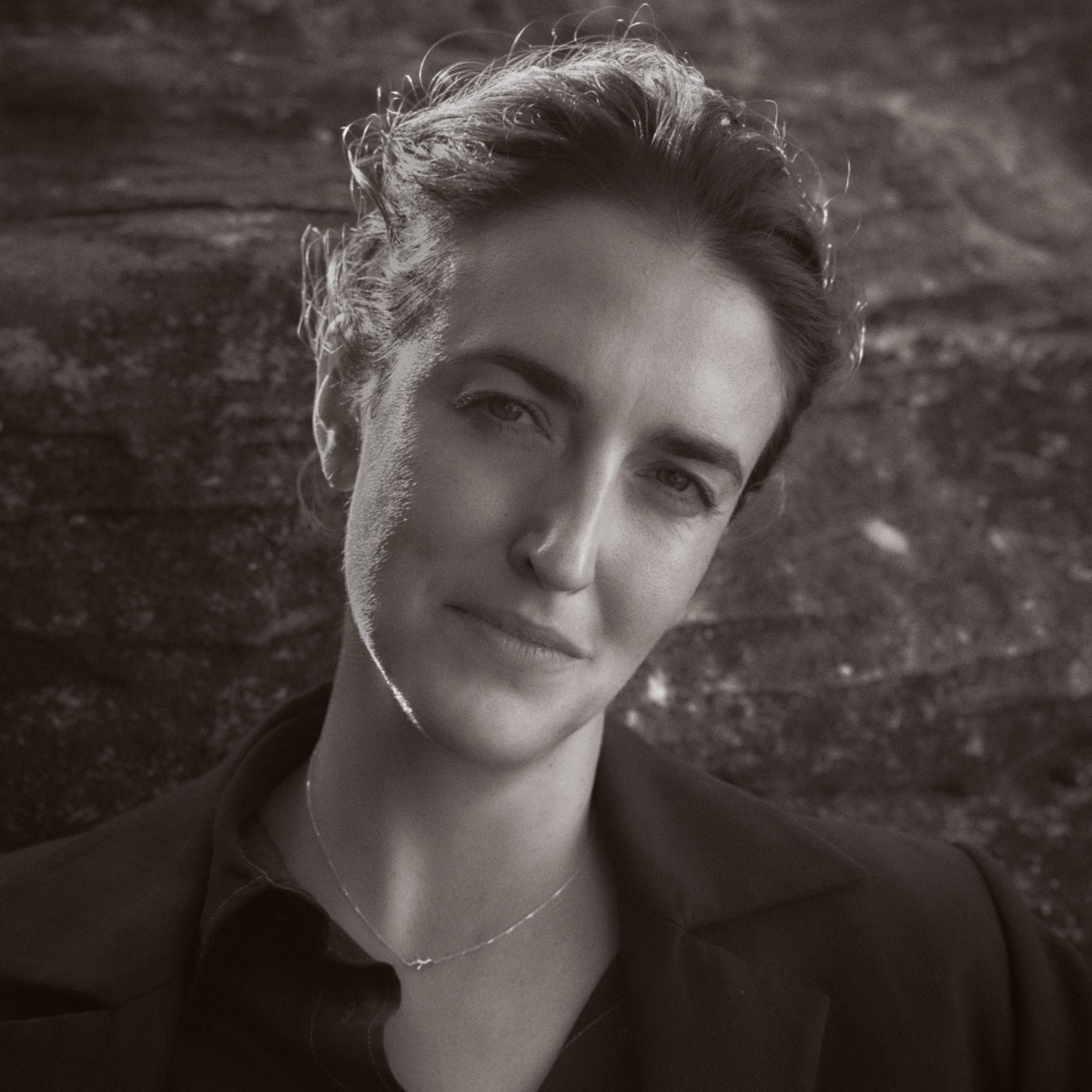
Lucianne Tonti
Australian journalist and author Lucianne Tonti is fashion editor of The Saturday Paper, sustainability editor-at-large for ELLE Australia, and author of Sundressed (2022) and Good Witch.
5
APPEARANCES
5
PODCASTS
Sep 30, 2026


Lucianne TontiGUEST
Well, look, I think it's, you know, there's kind of, to me, there's, like, two different kind of vibes of magic going on.
Lucianne TontiGUEST
So the five categories in the book are gardener, gossip, spinster, healer, nymph, and that is basically, like, Go out into the garden, plant a seed, watch it become a flower.
13 MINS LATER

20:42

um let's let's kind of go through a bit of this this setting the scene so that our listeners can understand a bit more take us back to what did that um female power and freedom look like prior to the witch hunts when they could freely roam the commons and the villages
Lucianne TontiGUEST
so so it was a completely kind of different structure to society like compared to the way we live today where you know you have your house where you live on your own or you live with your family and then you get in the car and you drive to your office and you do that and then you come home again and you, you know, buy food at the supermarket.
Lucianne TontiGUEST
And so it's very much, you know, you're living in a village and if you've ever driven through kind of the French countryside or the English countryside and like, you know, it's like fields and fields and fields and then a cluster of houses and maybe a little bakery and something else.
Lucianne TontiGUEST
And then, you know, you keep going and there's more fields and forests, and then you come across another town.
Lucianne TontiGUEST
So we're talking about, um, kind of a rhythm of life that was very based around subsistence agriculture.
Lucianne TontiGUEST
So you're growing or foraging, um, most of the food that you're eating, you're working in close relationship with your family and also with, um, the people in your community to, to, you know, to produce things, clothes to wear, food to eat.
Lucianne TontiGUEST
And so it's a very different pace that also, because obviously there's no internet, requires you to be paying a lot of attention to kind of the cycles of the moon and the changing of the seasons, because that's how you know when to plant and when to harvest and when to put grain into storage and not.
6 MINS LATER
28:43
But what was that sort of – what I was also going to bring up was that what we lost in that Enlightenment time was essentially, as you mentioned, the idea of women being community leaders.


Lucianne TontiGUEST
Like, the systems that are up against you from improving the industry feel just so entrenched.
Lucianne TontiGUEST
We're gonna exploit the environment, and we're gonna exploit women's labor, and we're gonna keep producing, you know, crap, basically.
Lucianne TontiGUEST
And see, anyway, so I, I was at Fibershed, and I'm getting a tour of the property and, you know, behind the house there's a meadow where they're growing dye plants.
Lucianne TontiGUEST
Uh, there's a stream that's, like, flowing down beside this enormous old tree, and there's a circle of stools, and, you know, where they do weaving.
7 MINS LATER


Anthony JamesHOST
And not only those quarters, huh? Like media as well, women in media, it is rife right now.
Lucianne TontiGUEST
Yeah, and I think that we see that, I mean, we see the archetypes kind of rear their heads when any time that this current paradigm wants to kind of clamp down and make everyone stay, you know, maintain their positions.
Lucianne TontiGUEST
And so we see kind of, the advocates for women belonging in the home kind of come out of the woodwork.
Lucianne TontiGUEST
Pauline Hanson's rhetoric isn't quite so explicit, but it's implicit in, you know, this kind of attitude of they get pregnant because they want the money, you know.
Lucianne TontiGUEST
Why would you get paid? Like that kind of, that is the premise underlying that is get married and your husband will take care of you and then, you know, just deal with it.
8 MINS LATER


Erika GeraertsHOST
And look, I have context to how you sort of went from writing about fashion and sustainability and fashion to writing about witches, but maybe you can do a little summary of how you found yourself writing this second book.
Lucianne TontiGUEST
My first book was about the regenerative farming of natural fibers, so very much about, like, how we, um, you know, how we grow things in ways that rehabilitate the soil and are good for the landscape.
Lucianne TontiGUEST
And I was visiting the head of the regenerative fiber farming movement called Fibershed, the kind of the birthplace of it, and that's outside San Francisco.
15 MINS LATER
Erika GeraertsHOST
Like, I discuss them in detail, how it's influenced how I've seen myself and, and kind of engaged with the world, and I wonder what you have to share on those if you'd like.