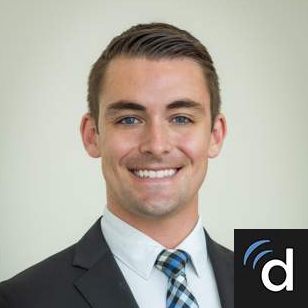
Lucas Harrison
Plastic surgery resident (integrated, class of 2027) at UT Southwestern Medical Center and 2026 Resident Ambassador to the PRS Editorial Board, co-host of the PRS Journal Club podcast with a craniofacial research focus.
1
APPEARANCES
1
PODCASTS
Jun 23, 2026


Edy NdemHOST
I think as we were reading this article, some things that we had in mind and questions that we had for you was basically just to give us a summary and overview of your work and what kind of inspired you to look at this topic.

Lucas HarrisonGUEST
What really kind of inspired this research article is really from a clinical basis.
Lucas HarrisonGUEST
I had noticed that we were seeing more and more patients coming into our clinic with some metabolic disorders.
Lucas HarrisonGUEST
And I noticed that they were all coming in fairly late in age compared to our other patients that were diagnosed with craniosynostosis.
Lucas HarrisonGUEST
So we kind of set out to go forth and look into what this is in the literature and didn't find a whole lot out there besides single center kind of studies.
Lucas HarrisonGUEST
And we wanted to look at the much larger sample, which is fairly hard to do when you have these diagnoses that are so rare.

Hannes PrescherHOST
Why do you think we're treating them not operatively? How are we diagnosing them? Are they coming in symptomatically or are they just kind of, are these incidental findings, do you think?