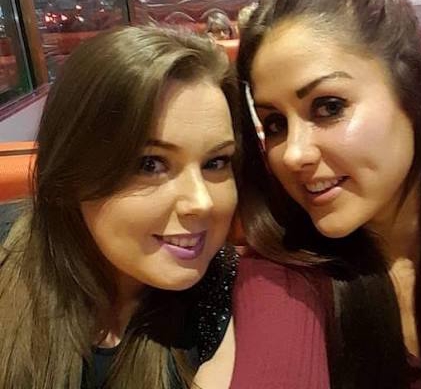
Lorna Quirke
Cork breast cancer patient advocate leading the #TellMeMyBreastDensity campaign for routine breast density notification after mammograms.
2
APPEARANCES
2
PODCASTS
Oct 13, 2026


Ciaran CudahyHOST
So for, for people who maybe missed it or, or can't remember the detail, what-- explain why it's so important for women to know their breast density.

Lorna QuirkeGUEST
Um, when you have a mammogram, at the moment, you're not notified whether you have dense breasts or not, and that's incomplete information because if you have dense breasts, you have a four to six times higher chance of developing breast cancer.
Lorna QuirkeGUEST
Now, it doesn't mean you will develop breast cancer, but you're at a higher risk.
Lorna QuirkeGUEST
And if you have dense breast tissue, depending on the category, that will actually mask a tumor.
Lorna QuirkeGUEST
So I had two mammograms, and all the while, I had a slow-growing cancer, and it wasn't until my third mammogram that my, uh, cancer was, uh, discovered, I suppose, really, but at that stage, it was far too late.
Ciaran CudahyHOST
But by the way, you've got what's determined to be dense breast tissue, and that makes certain types of cancers like lobular cancer more difficult to detect," and, and that was the end of the service, what, what might you have done with that information?


Lorna QuirkeGUEST
Um, I was told that, I went in with the right breast, um, and I was told there was a cyst on the left.
Lorna QuirkeGUEST
They drained that on the day, and I was sent off home, "Your mammogram is clear." So, you know, great.
Lorna QuirkeGUEST
Um, roll on, over the next few years, I was getting more and more, more tired.
9 MINS LATER