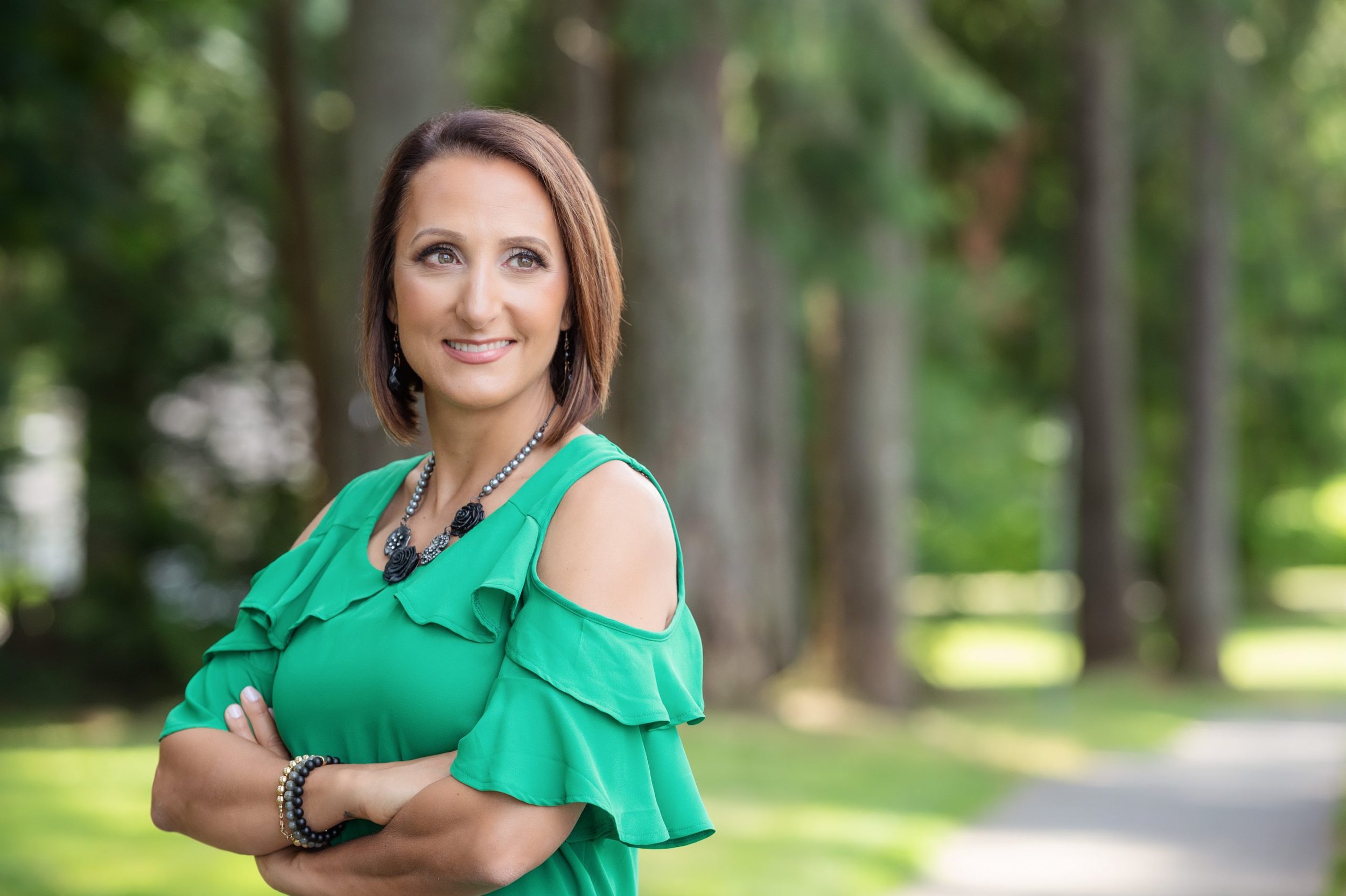
Lori Brotto
Canadian psychologist
7
APPEARANCES
7
PODCASTS
Oct 20, 2026


Lori BrottoGUEST
I'm a scientist in the University of British Columbia, which is in Vancouver, Canada.
29 MINS LATER


Lori BrottoGUEST
If I'm in a relationship and a partner is initiating, I would rather say no or I agree to it very reluctantly, or I just don't feel kind of any sexual pleasure anymore." So they're usually comparing their current experience with how it used to be in the past.
Lori BrottoGUEST
And usually that past is, you know, an earlier stage in their relationship when everything was new and novel and exciting, and people are putting a lot more effort in, usually to impress the other person.

Lori BrottoGUEST
Yeah, so mindfulness is, it's sort of derived from Eastern meditation, but it's very kind of, it's modern day, it's secular.
Lori BrottoGUEST
It's basically a set of skills that we practice with the goal of cultivating present moment, nonjudgmental awareness.
Lori BrottoGUEST
So there will be exercises that we practice like body scans, mindfulness of thoughts, mindfulness of breath, that help us kind of gather our attention, bring it to a particular target in the here and now, and really importantly, do that in a nonjudgmental way.
Lori BrottoGUEST
So you'll be listening to a guide and you'll be following along, guiding your attention on sensations of the breath, sensations in the body, etc.
Lori BrottoGUEST
And it's been tested over the last maybe 50 or so years for management of things like chronic pain, depression, anxiety, stress.
13 MINS LATER
Sameena RahmanHOST
Have you sort of decided to integrate, you know, AI into your practice? eSense portal or a digital platform as well?

Lori BrottoGUEST
In the same way that we prioritize other facets of physical, emotional, spiritual wellbeing, we also want to nurture sexual health.
Lori BrottoGUEST
Can be normal, healthy, common to go into an encounter totally neutral and have desire be the last thing to emerge at the end.
Lori BrottoGUEST
In my clinical practice, I will hear people say, "My body is having sex, my mind is not." When we look in, at females with menopause, when estrogen and progesterone start to decline, it doesn't directly affect desire.


Ken ConnorsHOST
So just who should be teaching our young kids about sexual and reproductive health? There's the question.
Lori BrottoGUEST
[laughs] Well, I would hope it would be a multi-pronged approach, right? Where parents can talk about it and where the schools are talking about it.
Lori BrottoGUEST
Now, we, in Quebec, we're pretty fortunate because we do have a course, the CCQ, it's a culture and citizenship course, in which sexual- sexual- sexual health education is kind of folded into that, uh, which starts in elementary school right through high school, and it's a compulsory course.
Lori BrottoGUEST
So we're actually, in Quebec, we do pretty well when it comes to sexual health education.
Ken ConnorsHOST
Are attitudes changing? And, uh, a- as well, h- how important is it that boys are included in the conversation?
Lori BrottoGUEST
conversation?Well, boys and girls should know about the puberty of boys and girls.
Lori BrottoGUEST
[laughs] I think it's really important that, uh, everybody understands it's not just o- one education on one, one side.
Lori BrottoGUEST
So, uh, people need to learn about this, and boys are the ones who can get girls pregnant, [laughs] so they really need to know how that works.

Lori BrottoGUEST
And, um, i- if your listeners have ever listened or read of the work of Emily Nagoski, and she'll say, "Pleasure is the measure." You know, we shouldn't be measuring frequency.
Lori BrottoGUEST
We should be really focusing and centering pleasure and, and also recognize that how different people define pleasure is different.

4:10
I, I don't imagine you were, you know, a young eight-year-old thinking, "This is where my path is going to, to lead me." So how did you end up here?
Lori BrottoGUEST
Yeah, s- uh, certainly, um, uh, that was not what I signed up for on career day [laughs] at, as a, you know, 11, 12-year-old.
Lori BrottoGUEST
I was a, a young undergraduate student, you know, 18 years old, sitting in class, learning about science and research, and started volunteering in a research lab.
Lori BrottoGUEST
Uh, I was actually mostly interested in depression and thought that I was going to pursue a career as a clinician helping people with depression, but something sparked an interest in research, and so I did start volunteering in a research lab that was studying animal models of sexual dysfunction.
Lori BrottoGUEST
So I spent about six years looking at the impact of chronic stress and medications and antidepressants on male rat sexual activity.
Lori BrottoGUEST
So I would expose these rats to these stressful environments and then inject them with antidepressants and see if the antidepressants could block the effects of stress on how frequently they mounted other female rats and how quickly they would ejaculate and whatnot, and I learned a lot about sex research.
17 MINS LATER