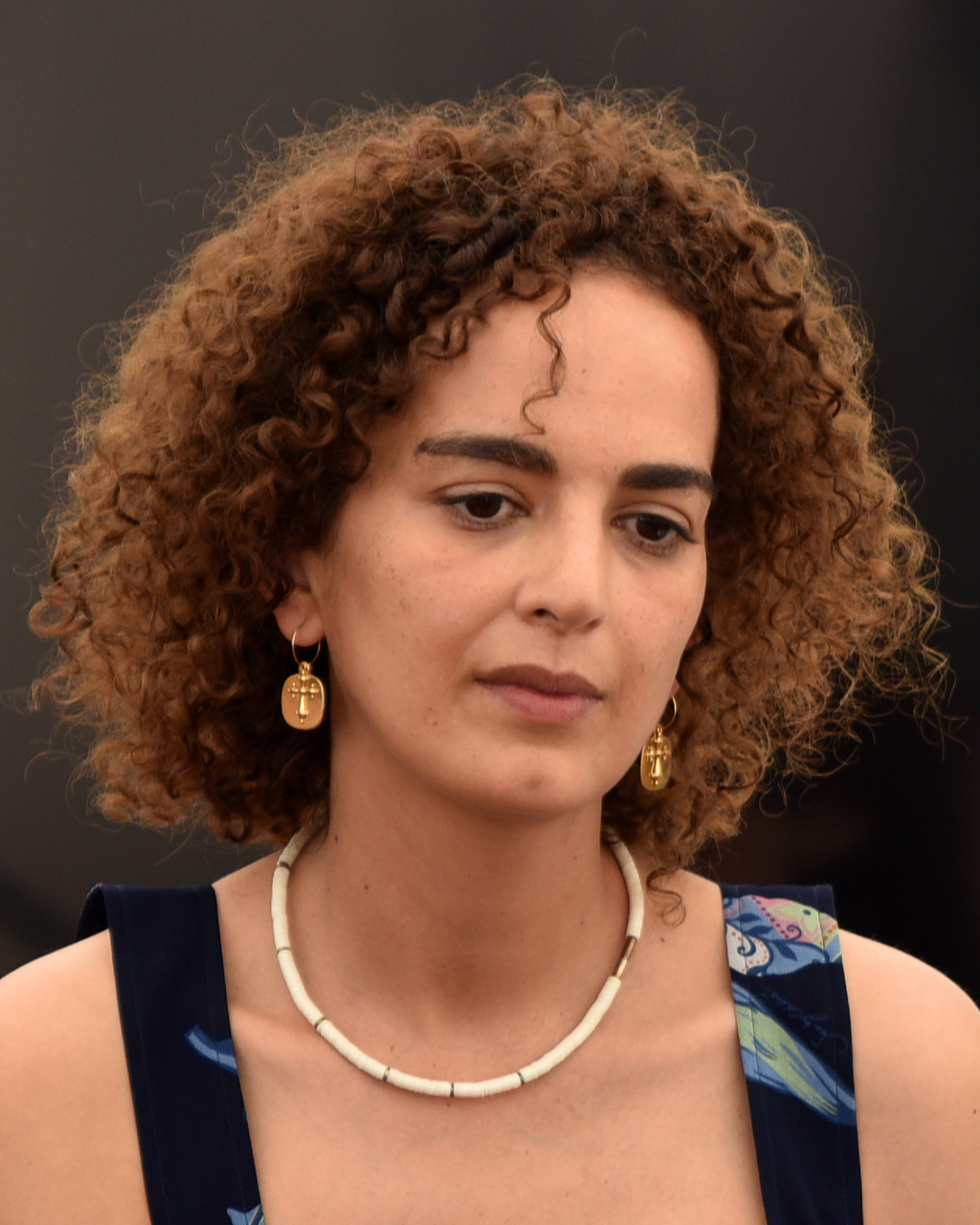
Leïla Slimani
French-Moroccan writer and journalist
4
APPEARANCES
3
PODCASTS
Aug 22, 2026


Terry GrossHOST
Don't say who's had an abortion or who's gay or who isn't a good Muslim." Did you grow up with that contradiction in y- your family? Did your parents believe in free speech, in the rights of women, but also warn you to be on your best behavior outside?

Leïla SlimaniGUEST
In my house, in the bubble of my, my family, we would say whatever we wanted to say.
Leïla SlimaniGUEST
And my, my parents, they would even encourage us to be free and to read whatever we wanted to read, to watch any kind of movies.
Leïla SlimaniGUEST
They were not believers, and they would not, uh, follow the rules of, of Islam.
8 MINS LATER
Leïla SlimaniGUEST
Um, but to be really honest, I think that I was, I was very naive, and I, when I had my, my son, I was absolutely not aware of how, how much time and how much sacrifice and all the thing that being a mother, um, demands.
Leïla SlimaniGUEST
But it's also something [laughs] I w- I wrote about a lot, the fact that, um, uh- Women lie to women a lot.
Leïla SlimaniGUEST
When I was young, everyone would tell me, "Oh, you know, being a mother, it's so...
Leïla SlimaniGUEST
It's, it's natural, and you will see it's so easy, and you will know exactly what to do, and you will never feel alone again.
Leïla SlimaniGUEST
And there will be this unconditional love that you will feel, and that will make you so strong." And also, my mother was so extraordinary.


Leïla SlimaniGUEST
He had a family, but he would never talk about his family, and he had no relationship with them.
Leïla SlimaniGUEST
And, uh, he was completely, like, he reinvented himself, and, um, it was very subversive I think, this, this ges- gesture.
Leïla SlimaniGUEST
And he was very generous also towards us, because he said to us, "Okay, now you, you will go to France, and don't look back.
Leïla SlimaniGUEST
Um, I don't want you to be sad, I don't want you to think about us, I don't want you to feel guilty.
34 MINS LATER


Leïla SlimaniGUEST
I was like, "Okay, if you believe in this, why aren't you able to tell everyone you should accept that you, that you believe in that and th- that's all?" But now, and I think that writing the, the book helped me understand that my parents were just afraid.
Leïla SlimaniGUEST
They were so afraid that something could happen to us that they tried to teach us that in, in life there are some frontiers, some boundaries, that there are places where you can be free and tell whatever you want to say, and others where it's, it's dangerous.
Leïla SlimaniGUEST
So it's something quite usual in Morocco because we are raised with this idea of hypocrisy.
Leïla SlimaniGUEST
Yes, there is a certain culture of hypocrisy where you, you are taught not to tell certain things in front of some, and have a very virtuous figure, and you can also be very free in other circumstance.
8 MINS LATER
Leïla SlimaniGUEST
Uh, you know, I think the illusion that we are going to create links and that we are going to create social relationship through those platforms that are made to polarize, um, our point of view, that are made by people who have absolutely nothing to, to do with dialogue, with, um, language, and all this, they don't care.