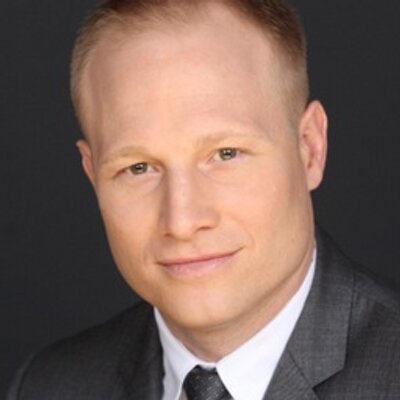
Leif Babin
Writer
7
APPEARANCES
7
PODCASTS
Oct 13, 2026

Leif BabinGUEST
when I, when I was, uh, teaching the junior officer training course, uh, I would have Jocko come in, uh, who's, you know, the most influential leader on me and the greatest mentor I ever had, uh, you know, to, to, um, uh, to, to give a presentation.
Leif BabinGUEST
And, and one of the things that he would tell these, these young junior officers that are about to be fully qualified SEALs and go out to SEAL platoons is, "You have the best job in the world.
Leif BabinGUEST
Relish it every day." And so some of those guys, you know, as, as, as, uh, as they, you know, retire and, and have left, you know, in, in years past, they would, they would call me and complain of, you know, about it and, uh, you know, about what's going on and, you know, lack of employment or, you know, uh, certain leaders they were frustrated in, uh, frustrated with.
Leif BabinGUEST
And I would just say, "Hey, uh, just remember that, uh, one day, um, you're not gonna be in the SEAL teams and you're gonna wish you were.
Leif BabinGUEST
You're gonna look back on those times and realize they were the best times of your life." So I think that's good perspective for anybody to have.

Matt EbertHOST
We're all about championing people, so I always wanna ask the guests if given the opportunity to champion someone in their life, past or present, um, who would they, who would they talk about and why?

Leif BabinGUEST
Um, and it's just something that, you know, we, we had kinda put this, this outline together, and we kinda put these, uh, ideas together.
Leif BabinGUEST
And yeah, the, the first chapter of Extreme Ownership was the, the-- what it, what, what is now the second chapter, No Bad Teams, Only Bad Leaders, which is a powerful chapter.
Leif BabinGUEST
It talks about, you know, the, the idea that, that, you know, you put, uh, two teams or str-- you know, or two teams are competing and one's struggling and, and one's w- dominating, and you swap out the leaders, and all of a sudden the bad team becomes the, the best team.
20 MINS LATER

35:15

Do you notice a difference depending on who you're working with from that regard?

Leif BabinGUEST
Yeah, I mean, we work with all kinds of leaders and, you know, the best leaders are the people that put the team and the mission first, right? Just like the best SEALs.
Leif BabinGUEST
I mean, you know, when I look back at my career in the SEAL teams and I did nine years in the SEAL teams, 13 years in the Navy, you know, total, but it's...
Leif BabinGUEST
What makes a good SEAL? It's not the person that is necessarily the best shooter or the best combat diver or the skydiver.
Leif BabinGUEST
All of these are individual skills, like the best breacher or the guy who can talk to aircraft and communicate on the radios.
22 MINS LATER


Leif BabinGUEST
The thing that you learn going through SEAL training is that you can push yourself way harder than you think is possible.
Leif BabinGUEST
I know that's certainly a key theme for Spartan races and for what you do is that you're putting people out there.
Leif BabinGUEST
The physical challenges I think that there's so much connected with physical and mental.
Leif BabinGUEST
So knowing that you could push yourself harder than you think is actually possible.


Larry P. ArnnHOST
SEALs do and what did they do? How did you fight together? What was your division of
Leif BabinGUEST
Typically, what SEALs and special operations had done prior to that time was – nighttime capture kill rates, and we would go out with just SEALs and target bad guys, high level terrorists, and try to make an impact on the battlefield by capturing bad guys and getting them off the battlefield, disrupting their attacks in that way.
Leif BabinGUEST
The problem with that is that you had special operations units like SEALs and others that were conducting what's essentially a counterterrorism mission.
Leif BabinGUEST
And then you had the army and Marines that were out conducting a counterinsurgency mission.
Leif BabinGUEST
So they were out during the daytime trying to build relationships with the local populace, conducting census operations and trying to push back the enemy out of areas where they controlled neighborhoods.
6 MINS LATER

Leif BabinGUEST
Typically, what SEALs and special operations had done prior to that time was – nighttime capture kill rates, and we would go out with just SEALs and target bad guys, high level terrorists, and try to make an impact on the battlefield by capturing bad guys and getting them off the battlefield, disrupting their attacks in that way.
Leif BabinGUEST
The problem with that is that you had special operations units like SEALs and others that were conducting what's essentially a counterterrorism mission.
Leif BabinGUEST
And then you had the army and Marines that were out conducting a counterinsurgency mission.
Leif BabinGUEST
So they were out during the daytime trying to build relationships with the local populace, conducting census operations and trying to push back the enemy out of areas where they controlled neighborhoods.
6 MINS LATER


Tyler WayeHOST
What were you saying to those going through the training when you were in charge of it? What were you saying to people going through the training when they're getting into that long night? Are you telling them about what they need to improve? Are you trying to pep talk them? Like, what are you saying to them?
Leif BabinGUEST
I think when you're going through really challenging things like that, what I found to be most effective, and I don't think I did this necessarily well, but thinking back about it, when I look at what worked and what didn't work, I think what makes an effective boat crew leader going through buds, just like what makes an effective leader in the SEAL teams when you're going through really challenging combat operations, just like what makes an effective leader in the business world when you're going through challenging times or when a big setback or a a market that takes a turn for the worse or whatever it may be, is that you keep people focused on the immediate goals in front of them.
Leif BabinGUEST
And I think that when you can do that, you know, if, if, if we have everything that we do in, in, in buds is a race.
Leif BabinGUEST
And so the instructors always say that pays to be a winner, pays to be a winner.
Leif BabinGUEST
So you get, you don't get to sleep, but you get to just sit down, you know, for the next 10 or 15, 20 minutes or whatever it is to take, you know, for the next boat crew race.
Leif BabinGUEST
And, uh, and so that's a huge, that's a huge reward to be able to just not have some grueling physical activity that's going on while everyone else is, is, is participating in that.
14 MINS LATER
Tyler WayeHOST
What about teamwork? What have you learned about taking a group of individuals and having them come together as a team?