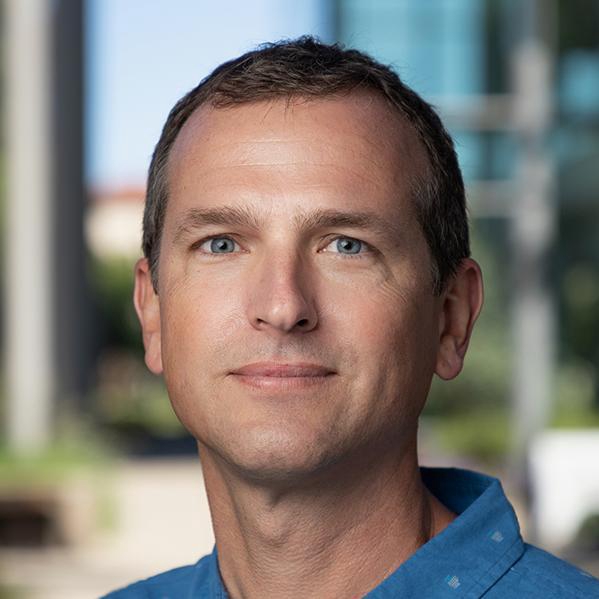
Lee Panich
Archaeologist and historical anthropologist; Fay Boyle Professor of Anthropology at Santa Clara University studying Native California and the mission system.
5
APPEARANCES
5
PODCASTS
Sep 23, 2026


Lee PanichGUEST
And so many of people leaving the missions often could participate in some of the same labor tasks at the ranchos as they could at the missions.
Lee PanichGUEST
And these were largely gendered, so women were often domestic servants, cooks, things like that.
Lee PanichGUEST
Men, particularly cowboys or vaqueros in Spanish, scholars have said had the most seamless transition from the missions to the ranchos and probably enjoyed quite a bit of independence because they could be out on that cattle range.
Lee PanichGUEST
But unlike the mission, the ranchos did in some cases pay people, pay Native people, and certainly there was less oversight in religious matters and kind of the whole aspect of cultural assimilation.
6 MINS LATER

Gustavo FloresGUEST
So that is something that we explore through mainly looking at the petitions in that mostly exploring those land grants that were given to indigenous folks of the Bay Area.

Miranda MelcherHOST
Did any of that change the exploitation of native labor that we mentioned earlier?
Lee PanichGUEST
So the, you know, the missions, um, operated under, you know, what a lot of scholars would say was kind of like a forced communalism.
Lee PanichGUEST
Native people were not really allowed to leave the missions except with permission, and part of the, um, realities of living in a mission community w- were that you were expected to, um, perform daily labor tasks.
Lee PanichGUEST
Um, and so, you know, you could argue the finer points of that, but I think the lived experience was probably very akin to enslavement.
7 MINS LATER
Gustavo FloresGUEST
So that is something that we, we explore, uh, through mainly looking at the, this, the petitions and that mostly exploring the, those land grants that were given to, um, Indigenous folks, uh, of the Bay Area.

Miranda MelcherHOST
Did any of that change the exploitation of Native labor that we mentioned earlier?
Lee PanichGUEST
So the missions operated under what a lot of scholars would say was kind of like a forced communalism.
Lee PanichGUEST
Native people were not really allowed to leave the missions except with permission and part of the realities of living in a mission community were that you were expected to perform daily labor tasks.
Lee PanichGUEST
Of course, Native people basically say this is that we were enslaved, our ancestors were enslaved.
Lee PanichGUEST
And so, you could argue the finer points of that, but I think the lived experience was probably very akin to enslavement.
Lee PanichGUEST
And so when the missions were secularized, that means they were turned into parish churches.
9 MINS LATER
Gustavo FloresGUEST
So that is something that we explore through mainly looking at the petitions in that mostly exploring those land grants that were given to indigenous folks of the Bay Area.

Miranda MelcherHOST
Did any of that change the exploitation of native labor that we mentioned earlier?
Lee PanichGUEST
So the, you know, the missions, um, operated under, you know, what a lot of scholars would say was kind of like a forced communalism.
Lee PanichGUEST
Native people were not really allowed to leave the missions except with permission, and part of the, um, realities of living in a mission community w-were that you were expected to, um, perform daily labor tasks.
Lee PanichGUEST
Um, and so, you know, you could argue the finer points of that, but I think the lived experience was probably very akin to enslavement.
10 MINS LATER
Gustavo FloresGUEST
So that is something that we, we explore, uh, through mainly looking at the-- this-- the petitions and that mostly exploring the-- those land grants that were given to, um, Indigenous folks, uh, of the Bay Area.

Lee PanichGUEST
And so many of people leaving the missions often could participate in some of the same labor tasks at the ranchos as they could at the missions.
Lee PanichGUEST
And these were largely gendered, so women were often domestic servants, cooks, things like that.
Lee PanichGUEST
Men, particularly cowboys or vaqueros in Spanish, scholars have said had the most seamless transition from the missions to the ranchos and probably enjoyed quite a bit of independence because they could be out on that cattle range.
Lee PanichGUEST
But unlike the mission, the ranchos did in some cases pay people, pay Native people, and certainly there was less oversight in religious matters and kind of the whole aspect of cultural assimilation.
6 MINS LATER
Gustavo FloresGUEST
So that is something that we explore through mainly looking at the petitions in that mostly exploring those land grants that were given to indigenous folks of the Bay Area.