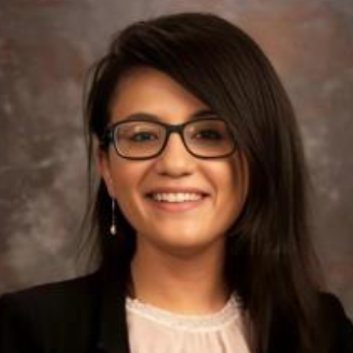
Lavinia Salama
PharmD clinical pharmacist and Assistant Professor specializing in ambulatory care, nephrology, and cardiometabolic disease at Long Island University.
2
APPEARANCES
2
PODCASTS
Jun 24, 2026

Craig BeaversHOST
It aligns with everything." What were your overall thoughts and, and feelings r- r- related to that for us?

Lavinia SalamaGUEST
I don't think it was surprising because I've seen how, like, the influx of data has been coming through the past couple of years.
Lavinia SalamaGUEST
So it wasn't surprising to see that they are integrated in every single guideline now from the cardiology guidelines, diabetes guidelines, and now officially in the CKM guidelines.
Lavinia SalamaGUEST
Um, but I, I, I do believe, like, the GLP-1 agonist and SGLT2, um, inhibitors have changed the way we care for our patient population and how we prevent all of these comorbidities from even happening in the first place.
Lavinia SalamaGUEST
So not really surprised, just glad to see that they continue to be reinformed-- reinforced in every single guideline, um, and excited about the future because none of these medications are really benign in the way we care for our patients.
Craig BeaversHOST
Have you guys thought about or are you gonna change your strategy? Or were you already doing the most optimal thing in terms of managing the patients that have that elevated UACR level, for example, or albuminuria? What are, what are you-- what are, what is your take on the guidelines here, and what are you gonna do or, or change f- from that standpoint?


Katie ChoHOST
For those who may be new or newer to nephrology practice, are there any specific high yield resources that you would also recommend as a starting point?
Lavinia SalamaGUEST
For starting points, I think I was very fortunate that I had a lot of nephrology training during my college education, but also especially as a second year resident.
Lavinia SalamaGUEST
So it came naturally to me, but I really think staying in nephrology came through building those connections.
Lavinia SalamaGUEST
Again, one of my favorite meetings to go to is ACCP annual meetings and the nephrology PRN meeting.
Lavinia SalamaGUEST
now that I'm also the chair-elect for the PRN, it's been very invaluable to stay up-to-date and current, getting everyone's ideas and thoughts.
Lavinia SalamaGUEST
But now the new resource outcome, I really do enjoy it, and I really think anyone who would like to gain more insights or just refresh on the topic, they can utilize that.
Lavinia SalamaGUEST
I like to follow a lot of nephrology experts also on LinkedIn because they tend to share things very rapidly, even as they are in clinical trials and listening to podcasts like this, and also the ACCP self-assessment chapters and the review articles that everyone has mentioned, been very valuable resources to stay current and to get into nephrology.
6 MINS LATER

Katie CardoneGUEST
So really depends on the interest and the ultimate career aspirations for the person we're working with.