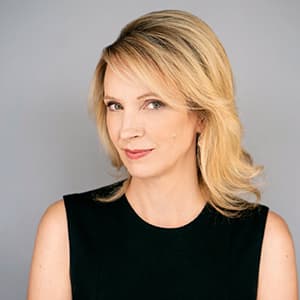
Kristin Smith
9
APPEARANCES
6
PODCASTS
Sep 23, 2026

Aaron StanleyHOST
I mean, how much would you say this was what we've just witnessed was really just kind of a counter, equal and opposite reaction type of response to what the industry has kind of gone through over the last few years under President Biden?
Kristin SmithGUEST
Yeah, no, I think back to 2018, 2019, when it was sort of the early days of the Blockchain Association and had meetings, you know, with then Jay Clayton, later, of course, with Gary Gensler.
Kristin SmithGUEST
You know, the ask was, we'd go to the SEC, we'd go to the CFTC and just like, please provide some guidance, please provide some rules.
Kristin SmithGUEST
How can we issue new projects that comply with securities laws when we know these things aren't, actually securities themselves, but what can we do? What's the pathway forward? And that's what industry wanted.
Kristin SmithGUEST
We had regulation by enforcement from the SEC and the CFTC that were suing what were well-intended good actors in the United States.
6 MINS LATER

Paul BarronHOST
So if that were to happen, Kristen, how does this resolve in a post-midterm era where we're gonna have Democrats essentially in control of the House and the Senate?
Kristin SmithGUEST
Yeah, well, if you look back over the past several years, particularly in the last administration, a lot of the policy making was this regulation by enforcement coming out of the SEC.
Kristin SmithGUEST
As a result of this very hostile environment, along with the debanking and the criminal investigations of software developers in the US, the crypto community and the crypto industry created a political force, both through advocates and through fundraising and through the Super PAC, and really came back and made a really strong political play in the last election, which worked.
Kristin SmithGUEST
And I think that led to moving the battlefield from the courts to the Congress.
Kristin SmithGUEST
We've spent the past two years almost now working through the legislative arena and trying to advance the Clarity Act.
Kristin SmithGUEST
But I think what we found out this week is that is not an option that is going to be available to us.
7 MINS LATER
Paul BarronHOST
and comply with economic and trade sanctions programs administered and enforced by the foreign assets control office so that and then you get into permission to access this is going into it as well must set standards of access to allow only certain participants to trade tokenized stock on the tsv so with some of these issues is this bad for permissionless equities

Paul BarronHOST
So if that were to happen, Kristen, how does this resolve in a post-midterm era where we're gonna have Democrats essentially in control of the House and the Senate?
Kristin SmithGUEST
Yeah, well, if you look back over the past several years, particularly in the last administration, a lot of the policy making was this regulation by enforcement coming out of the SEC.
Kristin SmithGUEST
As a result of this very hostile environment, along with the debanking and the criminal investigations of software developers in the US, the crypto community and the crypto industry created a political force, both through advocates and through fundraising and through the Super PAC, and really came back and made a really strong political play in the last election, which worked.
Kristin SmithGUEST
And I think that led to moving the battlefield from the courts to the Congress.
Kristin SmithGUEST
We've spent the past two years almost now working through the legislative arena and trying to advance the Clarity Act.
Kristin SmithGUEST
But I think what we found out this week is that is not an option that is going to be available to us.
5 MINS LATER

CarolineHOST
Um, but right now we're gonna focus on your role coming from LMI.
Kristin SmithGUEST
I'm chief revenue officer at LMI, where I lead our market and growth strategy across the federal government enterprise, building customer relationships, aligning our capabilities with priority mission needs of the government, uh, as well as driving growth in the markets that we serve.
Kristin SmithGUEST
LMI builds technology solutions that help federal agencies make faster and better decisions, that modernize their systems, uh, and that really, at the end of the day, respond to real-world challenges for the American people.
10 MINS LATER
CarolineHOST
Kristin, you wanna talk about why, um, Girls on the Run?
speaker_7SOUNDBITE_SPEAKER
For any members of the audience that are interested in reaching out to their senators, [laughs] I wondered if you had any specific names you wanted to drop of Democrats that seem like they would be movable.
Kristin SmithGUEST
I think any of those 18 senators that, that voted before I think are fair game targets again.

Kristin SmithGUEST
Well, first of all, I do think the inclusion of ethics language that was signed off on by Trump was a very big deal.
Kristin SmithGUEST
Um, you know, most asset classes don't have their own specific ethics [coughs] provisions that go along with them.
Kristin SmithGUEST
And in fact, um, most presidents don't impose any kind of restrictions, um, on themselves.
Kristin SmithGUEST
So I think the fact that he agreed to this, uh, is incredibly significant and really can start off a negotiation.
7 MINS LATER

Laura ShinHOST
Um, what are the, uh, you know, main provisions of Clarity that you feel the crypto industry can be most excited about?
Kristin SmithGUEST
I think that Senator Tillis and also Brooks actually delivered on almost every single thing that the banks were asking for.
Kristin SmithGUEST
So, uh, you know, they, they can keep coming up with new ideas and new, and new things, but, you know, the, the concerns they raised have been addressed.
Kristin SmithGUEST
I think it is a closed issue, and I don't think it's one, uh, that is, that is gonna be reopened anytime soon.
9 MINS LATER

SadeHOST
When it comes down to getting a postpartum specialist, what are the things you should expect? Yeah, so
Kristin SmithGUEST
So for overnight care, you can count on somebody coming in for at least eight hours, typically taking over complete care of the baby, except if mom or parent is nursing.
Kristin SmithGUEST
So we do, you know, swaddling, diaper changes, middle of the night soothings, like between feedings if baby wakes up and isn't hungry.
SadeHOST
So what key things should they go towards and what key things should they stay away from?
Kristin SmithGUEST
... that aren't being perceived as being, like, an endorsement of a specific token.
Kristin SmithGUEST
I know that there was a lot of work that was done between the Senate Democrats and the White House last week.
Kristin SmithGUEST
Um, but this is kind of a funny issue because it doesn't really have anything to do with the core part of the bill.
Kristin SmithGUEST
Uh, they're definitely, you know, focused on crypto, uh, industry assets and activity as opposed to just sort of broader general, uh, you know, Trump has a lot of real estate, for example.