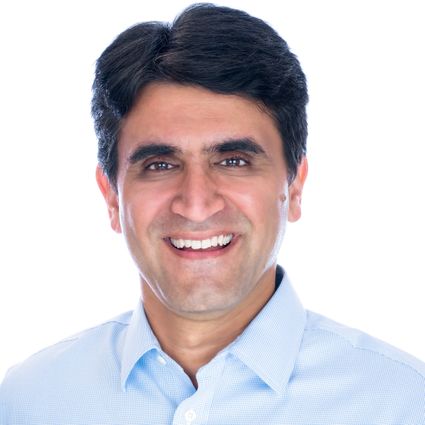
Krishna Srinivasan
2
APPEARANCES
2
PODCASTS
Oct 5, 2026


Joyce ChangHOST
What are the policy steps that the IMF thinks that China could take to address these challenges, particularly some of the chronic and structural issues that are related to demographics and the property market correction?

Krishna SrinivasanGUEST
So as I said, you know, if you think about the large, uh, imbalances, uh, large current account surpluses and so on, you can think of this as, um, you know, a, a manifestation.
Krishna SrinivasanGUEST
And what do I mean by that? Uh, and that w- uh, in effect means that domestic demand in China remains extremely weak, and that's reflected also in, you know, China on the brink of deflation over the past, uh, few years.
Krishna SrinivasanGUEST
Now, in terms of policies, uh, again, uh, we've been talking about this for some time, but let me give a little bit more granularity on some things which we've been saying.
Krishna SrinivasanGUEST
So I would like to split the policies across two dimensions, uh, structural and cyclical.
Joyce ChangHOST
So w-what, what does the IMF think, um, should be done with respect to the macro and the financial frameworks? You've laid out some of the numbers that may need to be transferred, but what is the right framework for looking at what's necessary for a new growth model? And what do you think are the prospects of this new growth model really moving to a more market-based credit allocation pricing system?


Bruce EdwardsHOST
But is this manufacturing-led growth model showing signs of age at this point? I mean, is it still what the region should be doing?
Krishna SrinivasanGUEST
So just to put things in perspective, if you look at Asia, it's the most dynamic region in the world.
Krishna SrinivasanGUEST
And over the last 20-odd years, you've seen that per capita incomes have doubled in most of Asia.
5 MINS LATER
Bruce EdwardsHOST
So what does it mean for a region that has such a, you know, so densely populated with such a rapidly aging labor force?