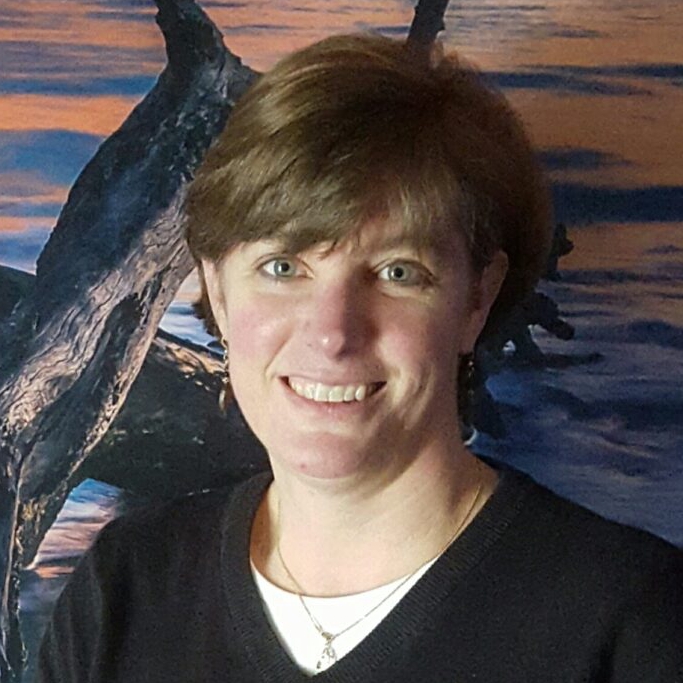
Kim Morris-Zarneke
Environmental education Program Manager at Georgia Department of Natural Resources' Charlie Elliott Wildlife Center, co-chair of the Georgia Teacher Conservation Workshop and Project WILD coordinator.
1
APPEARANCES
1
PODCASTS
Aug 31, 2026


Chelsea YorkHOST
to make it easier for them to integrate that into the classroom and by doing that we use project learning tree project wet project wild curriculum to help make those connections and also give them access to a greater resource library on top of that too.

Kim Morris-ZarnekeGUEST
Most of the standards that we are tying it back to are in that third through 12th grade range.
Kim Morris-ZarnekeGUEST
But as we've done this over the years, we've started to get college professors who are seeing the need, especially in, I would call the non-traditional programs.
Kim Morris-ZarnekeGUEST
So we have UGA who is a forestry program, but places like Ogeechee Tech, Tallulah Falls, these colleges who have biology programs, this is allowing them to step beyond the traditional biology programs and dive in to more of the wildlife and forestry things that they may touch on in one class.
Kim Morris-ZarnekeGUEST
We've also seen an increase over the years in our non-formals who work at state parks, work for an environmental ed centers, who are becoming the places that teachers are taking their kids.
Kim Morris-ZarnekeGUEST
So it's the opportunity to help connect them and educate those folks so they can keep telling the message.
14 MINS LATER