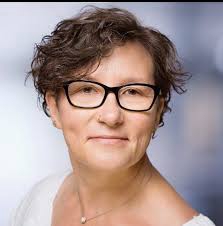
Kerstin Roth
Dr. Kerstin Roth is a German linguist and research lead (Hamburg) of the FSL digital project on historical foreign-language textbooks at the University of Hamburg's Institute for German Studies.
5
APPEARANCES
5
PODCASTS
Sep 23, 2026

Brynn QuickHOST
What have you found so far regarding language attitudes and beliefs within these manuals? And what might these attitudes tell us about the time period that these manuals were created in?

Kerstin RothGUEST
As you said, this project is more than analyzing language from a structural perspective.
Kerstin RothGUEST
Before I go into the details, you should know, as Natalia mentioned before, that German in the 16th century was not yet standardized.
Kerstin RothGUEST
So educated people thought about and reflected on what constituted good and correct German, but there was no binding norm.
10 MINS LATER


Brynn QuickHOST
Who were the language masters during this time period and who was the intended audience of these manuals that they created?
Kerstin RothGUEST
Yeah, that is a very interesting question and when we ask who the language masters were and who their manuals were intended for, I think we have to keep two things in mind.
Kerstin RothGUEST
As Natalia mentioned it, just their social backgrounds and of course the practical purpose of the books.
Kerstin RothGUEST
So the language masters were a fascinating and, as we've heard, a very diverse group of people.
Kerstin RothGUEST
And what makes them particularly interesting is that their personal and as well educational backgrounds could directly influence what they wrote and how they taught.
Kerstin RothGUEST
Yeah, some of them had been soldiers or dancing masters, but some of them even were scholarly trained or even professors.
Kerstin RothGUEST
But they all shared one basic goal, I think, to teach practical language skills and help people function in a foreign language environment.
12 MINS LATER
Brynn QuickHOST
How do you think these historic foreign language manuals can help us understand contemporary debates, speaking of things like prescriptivism, about language teaching, language policy, or multilingualism?

Brynn QuickHOST
Who were the language masters during this time period, and who was the intended audience of these manuals that they created?
Kerstin RothGUEST
And, uh, when we ask who the language masters were and who their manuals were intended for, I think we have to keep two things in mind.
Kerstin RothGUEST
As Natalia mentioned it, uh, just their social backgrounds and of course, uh, the practical purpose of the books.
Kerstin RothGUEST
So the language masters were a fascinating and, as we've heard, a very diverse group of people, and what makes them particularly interesting is that their personal and as well educational backgrounds could directly influence what they wrote and how they taught.
Kerstin RothGUEST
So yeah, some of them have been soldiers or dancing masters, but some of them even were scholarly trained or even professors.
Kerstin RothGUEST
But they all shared one basic goal, I think, to teach practical language skills and help people function in a foreign language environment.
Brynn QuickHOST
What have you found so far regarding language attitudes and beliefs within these manuals, and what might these attitudes tell us about the time period that these manuals were created in?

Brynn QuickHOST
What have you found so far regarding language attitudes and beliefs within these manuals? And what might these attitudes tell us about the time period that these manuals were created in?
Kerstin RothGUEST
As you said, this project is more than analyzing language from a structural perspective.
Kerstin RothGUEST
Before I go into the details, you should know, as Natalia mentioned before, that German in the 16th century was not yet standardized.
Kerstin RothGUEST
So educated people thought about and reflected on what constituted good and correct German, but there was no binding norm.
10 MINS LATER