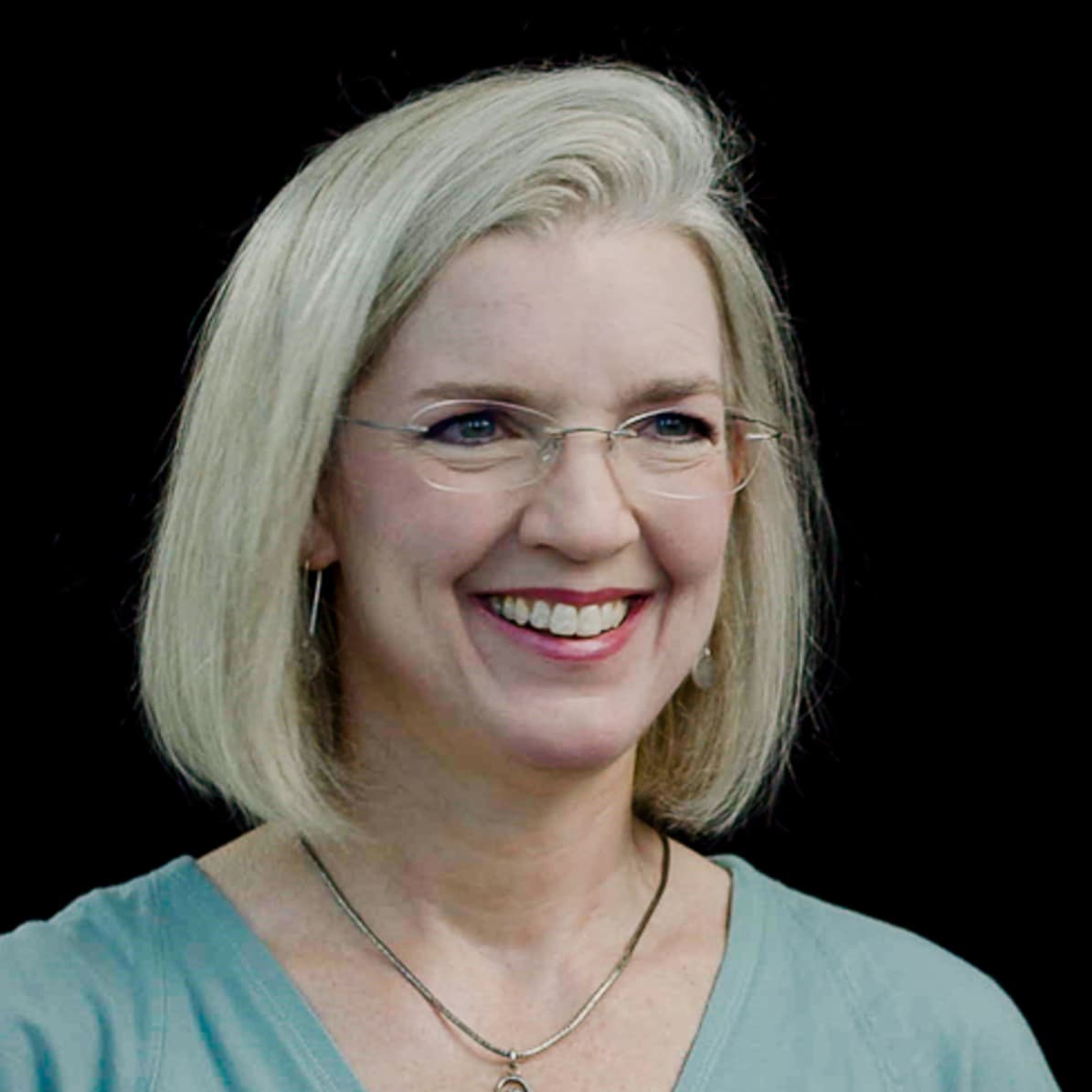
Kelly Chrestman
Clinical psychologist and Senior Military Mental Health Psychologist at the Center for Deployment Psychology (Uniformed Services University), specializing in PTSD and Prolonged Exposure therapy.
1
APPEARANCES
1
PODCASTS
Sep 21, 2026


Kelly ChrestmanGUEST
so one of the reasons we have criterion a is because ptsd is conceptualized as a disorder that is etiologically related to an event and initially i mean if you look at um the evolution of pta of the ptsd diagnosis over time it came about after a lot of lobbying by Vietnam veterans.
Kelly ChrestmanGUEST
And at that time, it was the existence of a recognizable stressor that would evoke significant symptoms of distress in almost everyone.
Kelly ChrestmanGUEST
And that was conceptualized to be etiologically related to the symptoms that came after.
Kelly ChrestmanGUEST
that's important because that led to a lot of our trauma focused treatments and we process the event in order to treat the symptoms.
21 MINS LATER

Kevin HollowayHOST
If we're making, like you said, Kelly, a good faith kind of effort here we're basing it on you know what else is in the literature and especially if we can get more eyes on it and you know more perspectives on it um that's and we can document that process i feel like we'd be in a really good place right we're not saying what we're not saying is is at this point throw out criterion a what we're saying is is like hey these are things to consider these are things to be thoughtful about and the literature is continuing to mature and we're continuing to learn more things and there will be changes in the future based on what we're learning and maybe this is a question for a moment so tell me if that's if i need to just remove me saying this but Are there particular holes in the literature, Kelly, that maybe you've come across as you've been reviewing some of this, that if we've got some ambitious folks listening to this episode that are thinking like, well, where can I contribute to the literature? What are some areas to look at to investigate that could help broaden our understanding?