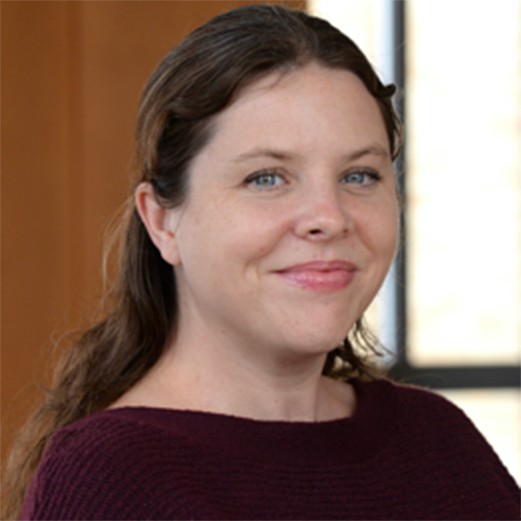
Katherine Keyes
American epidemiologist
3
APPEARANCES
2
PODCASTS
Sep 10, 2026


Chelsea ClintonHOST
I want to start with you telling us like what psychiatric and substance use epidemiology is and particularly how and why you're so interested in looking at how the questions you ask change across someone's life or even across generations.

Katherine KeyesGUEST
I mean, to start with, you know, most people now know what epidemiology is once we went through the COVID pandemic.
Katherine KeyesGUEST
You know, prior to the pandemic, when I told people I was an epidemiologist, most people said, oh, so you study skin.
20 MINS LATER


Katherine KeyesGUEST
We're identifying risk factors that on average increase or decrease your risk for specific outcomes.
Katherine KeyesGUEST
And what that means primarily is that at the individual level, it's often very hard to predict based on the averages of a group who will experience a certain health condition in what way at what time.
Katherine KeyesGUEST
And oftentimes, actually, the group averages don't do a very good job of individual level prediction.
14 MINS LATER

John IoannidisGUEST
And I hope that some of these ideas that will emerge will really reach out to make a difference for the average citizen in our community.
Katherine KeyesGUEST
And I think what was really surprising to me was how much consensus emerged when you bring together experts who come from really different disciplinary backgrounds and are providing a really different set of expertise.
Katherine KeyesGUEST
There's a lot of disagreement, but then also the consensus that emerges around the importance of community-based research, and the importance of ensuring that our values align with the types of research activities that we engage in.
Katherine KeyesGUEST
I learned a lot from the people in the room, especially people who are coming from really different areas of these worlds that intersect from academia to government to funders to community.
Katherine KeyesGUEST
And so I felt like It was an activity that we need to be doing more of, you know, these types of really deep and rich conversations that we don't give a lot of space for.
Katherine KeyesGUEST
But I do think that this is the only way that we're really going to make progress on advancing the goals of public health that we all believe need to be done so urgently.