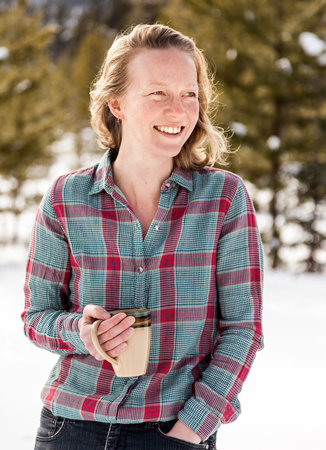
Kate Harris
Canadian author
3
APPEARANCES
3
PODCASTS
Jul 31, 2026


Kate HarrisGUEST
I think a lot of the fear comes from what we know about mergers in the corporate world.
Kate HarrisGUEST
And while there are some things that we borrow in terms of process and due diligence, checklists and things like that, Nonprofit collaboration is fundamentally a different animal.
Kate HarrisGUEST
Not only is it trying to create different value in the ecosystem, it also has to serve the people that you're trying to impact because at the end of the day, unlike a corporate merger, nobody's walking away with a big check, right? We go through a lot of the same processes and a lot of the same challenges that you do in a corporate merger but you have to do it with no personal benefit sometimes, right? And so it's a really, really different value proposition to explore this.
Kate HarrisGUEST
I think that the fear from executive directors and CEOs doesn't come from fear of trying it.
6 MINS LATER

Jarrett RansomHOST
a community, right? Like and I'd like you to share what really made it successful and what did the leaders what did you see them do differently than most are doing? It's a loaded question, but there's a lot of it.


Jill BennettHOST
stayed then your driving record is assessed you get the class five license after after that assessment you don't have to take the road test you then have to have you cannot be caught with any amount of alcohol or drugs in your system for 12 months and if you get through that period then you get to your full-on class five license what are your thoughts on that level or those steps
Kate HarrisGUEST
Well, they've enhanced some of the probation period, like things like no passenger restrictions, or sorry, they've dropped passenger restrictions, but enhanced some of the, you know, if you get a certain prohibition or, you know, driver, you have to do a driver improvement program.
Kate HarrisGUEST
What I think is a problem is having a two-tiered system and just calling everybody or everybody who's 25 and under having a system for them and then another system for anybody 25 and over just because I think a new driver is a new driver regardless of age and I often hear about other provinces so Alberta being one that's just recently dropped the second test they don't have this tiered system and I've been in this industry for a very long time.
Kate HarrisGUEST
Over those years, we know there's really good 16-year-old drivers and there's really bad 30-year-old drivers.
Jill BennettHOST
on their car and especially now i think because like you said the passenger rules have been dropped a lot of people in that scenario weren't bothering to take the second road test and get their full license they were just keeping the end and sticking to the end because they didn't need to take that extra step i think that was one of the arguments as well is there a concern with people that are staying at that end level just not going ahead and getting the full license

11:53

you think that they feel like they can be more open because maybe sometimes they're not playing themselves or they're, you know, playing different characters? Oh,
Kate HarrisGUEST
It's role playing, it's dealing with supposedly fictional scenarios, but scenarios that do mirror things that they might experience in real life.
Kate HarrisGUEST
It allows them to rehearse how they might respond to situations that arise for them.
Kate HarrisGUEST
And, you know, that's a very old psychological concept that when we rehearse our, when we rehearse constructive responses to stressful situations outside of that situation, we're much more equipped to respond in positive ways when we're, when we're put in the situation.
14:03
I was wondering if you've seen any over the past six months, you know, participants that you feel like have really blossomed or have grown through some of your workshops or have learnt a lot, if there's any positive stories you could share with us.