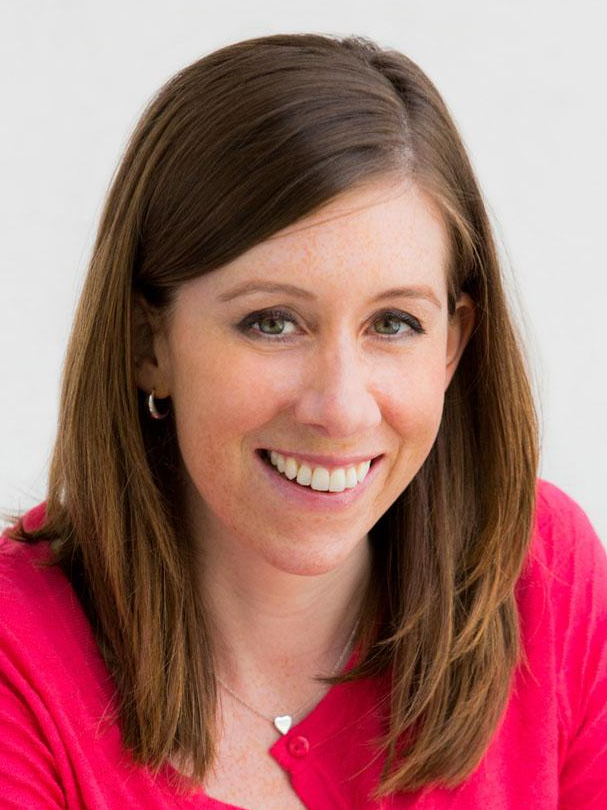
Kate Bee
Former BBC journalist and founder of The Sober School (2016), coaching women to quit drinking and live alcohol-free.
10
APPEARANCES
9
PODCASTS
Nov 18, 2026


Rachel FortuneHOST
So what do you say to someone who worries everyone else is going to be drinking, but I'm going to be the boring one or everyone else is going to be drinking and I'm going to be missing out?
6 MINS LATER
Rachel FortuneHOST
So what about then, Kate, if it isn't in a social environment, but at home and you might have a partner or family members that do drink and How do you implement a change without it feeling awkward? I


Teri PattersonHOST
What's changing there in this new way that we're approaching Sober Curious and gray area drinking, what do you see has changed?

Kate BeeGUEST
First of all, obviously I'm in the UK, so I'm mainly exposed to our kind of social media accounts and things that are going on here.
Kate BeeGUEST
But we are having a lot of conversations about women's health in menopause and perimenopause.
Kate BeeGUEST
And I think that has normalized people questioning the role that alcohol has in midlife, which is a great thing, but it's putting alcohol and sobriety into conversations that it wouldn't normally be.
13 MINS LATER


Kate BeeGUEST
... problem drinking looked a certain way, like what I'd seen in movies and TV shows.
Kate BeeGUEST
I'd had no run-ins with the law or hospitals or anything, and so it was very easy to dismiss my drinking.
Kate BeeGUEST
In fact, many years ago before I stopped, I went to an AA meeting, and I walked out thinking, "Oh, phew.
29 MINS LATER


Christie MimsHOST
So please tell me first and foremost about your business model and your pricing, 'cause I know coaches are gonna wanna know that, and then we'll get into how people find you in a second.
Kate BeeGUEST
It's a six-week program that guides women through taking a break from drinking, and the premise of it is, come take a break from drinking alcohol with me, and I will show you how to do it in a way that feels better than what you've been doing, that feels easy and empowering, not like dry January.
Kate BeeGUEST
It's a video lesson, because people who are going through this kind of behavior change really do need something daily.
9 MINS LATER
Christie MimsHOST
So what is one thing that you did right in your business early on that helped you?

MargieHOST
What do you mean by that?
Kate BeeGUEST
But this is how I approached it for many Dry Januarys and dry Julys and other things I did to prove to myself that everything was fine.
Kate BeeGUEST
I thought, "Well, I just need to take alcohol away and cope, and then that's proof that I don't have a problem." But really, all of our drinking, all of it, it makes sense.
Kate BeeGUEST
So when you were describing your drinking before, you talked about turning off the noise.
9 MINS LATER
MargieHOST
So, so start me back from the beginning of that initial decision and sort of how we got here.

SophiaHOST
But can we talk about what the emotional skills gap could be if you're using drinking to cope?
Kate BeeGUEST
And so I think for many of us, we reach an age, perhaps in our late teens, where suddenly drinking is okay.
Kate BeeGUEST
Although I know actually in America you drink later, don't you? You can't- Go into a pub or a bar and buy alcohol as a teenager, whereas here, you can do it much younger.
Kate BeeGUEST
And so I think we reach this point of some growth in our teenage years around that time, where suddenly we stop exercising this coping muscle and we start looking for other healthier ways because there's this normalized, glamorized, romanticized drug that has come in on the scene.
Kate BeeGUEST
And people say, "Oh, yeah, you had a bad day? Have a drink." "Oh, you're stressed out? Have a drink." "Oh, hey, you're celebrating.
10 MINS LATER
SophiaHOST
[laughs]


Derval O'BrienHOST
And Kate, when you decided that you weren't going to drink anymore, if you could maybe tell us a little bit about how you arrived at that decision, if you like, that choice.
Kate BeeGUEST
Yeah so I've been worried about my drinking on and off for many years and like I said I went to AA meetings and sort of walked out of them thinking oh well maybe I'm not that bad and I would do dry Januaries and dry Julys and I was buying odd books here and there and filling out quizzes and But I was really, really stuck on the fact that my drinking didn't look like this cliched image of problem drinking that I had so firmly in my head from what I'd seen in movies, TV shows, all that kind of stuff.
13 MINS LATER
Derval O'BrienHOST
for them I mean and there's no judgment here absolutely and you know everyone is in a different place and we're certainly not telling people what to do but I just think it is very interesting when you take a look and stand back because to people who want to maybe take a look and stand back where would you where would they start?

Kate BeeGUEST
So the women I work with, they have been trying to drink less for years, sometimes decades, and they have all kinds of rules.
10 MINS LATER

Kate BeeGUEST
I think drinking less can be a useful next step, but only if you pay attention to what happens.
Kate BeeGUEST
So the women I work with, they have been trying to drink less for years, sometimes decades.
9 MINS LATER

Jo BlackwellHOST
So do you have to go and do something like a 12-step program, or are there – obviously there's a sober school, is that based on the same kind of 12-step idea?
Rachel FortuneHOST
So can we start with that question? Why do so many women in midlife feel that there is a shift with their relationship around alcohol, even when so many of us think that we are just normal drinkers?
Kate BeeGUEST
There shouldn't be any judgment here around these shifts because your drinking always makes sense.
10 MINS LATER
Rachel FortuneHOST
I want to cut down, but I don't know how to start," what are some of the first steps that they can start doing that will be really supportive for that change?