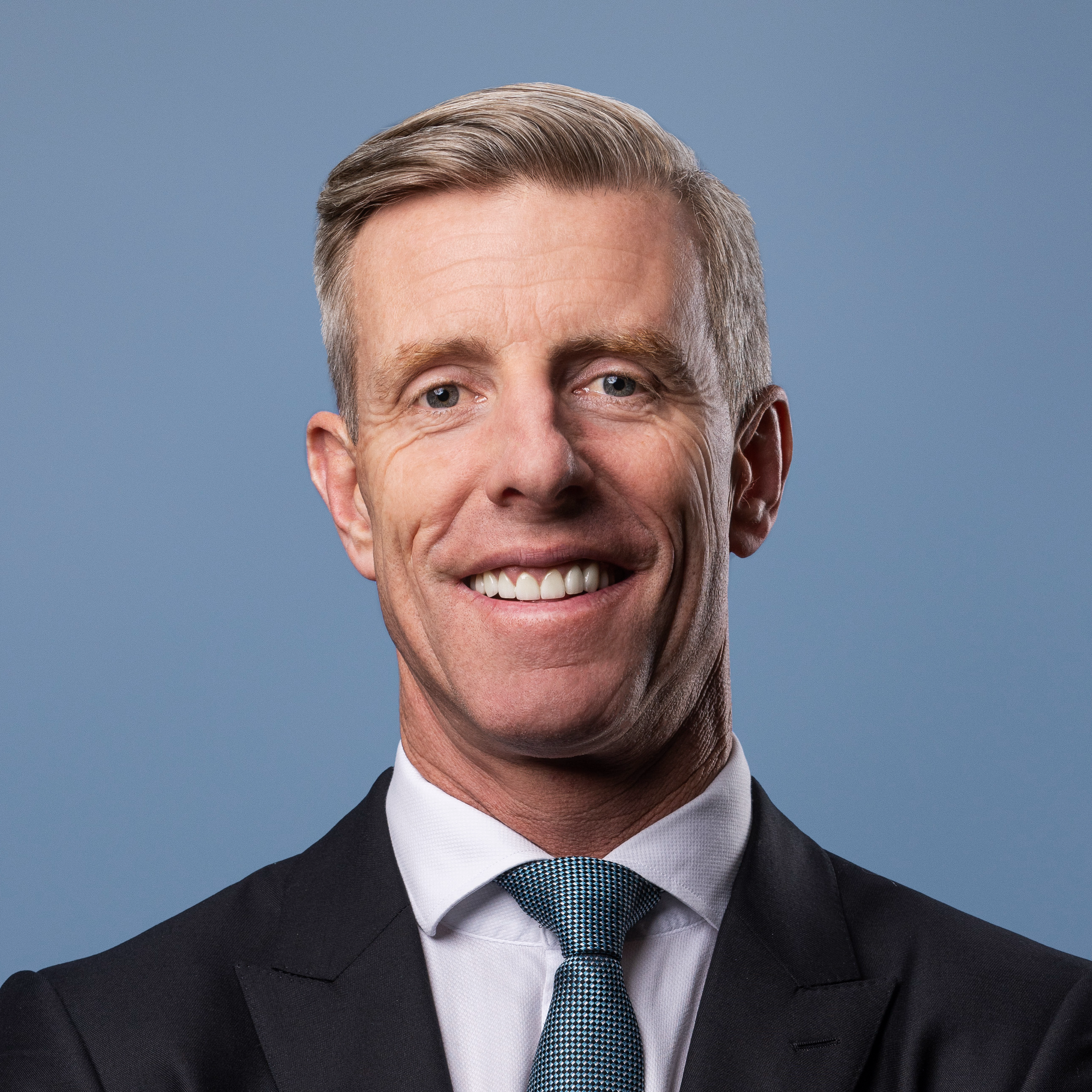
Justin Quill
17
APPEARANCES
9
PODCASTS
Oct 15, 2026

Justin QuillGUEST
And, and knowing, knowing that, you know, "Oh, everyone's gonna be talking about me as a potential rapist," yeah, that will impact your mental health.
Justin QuillGUEST
Now, the big concern for me is not just the number of these, right? Like, that's an issue.
Justin QuillGUEST
Part of my problem is- We have to fight these suppression orders with our hands tied be- behind our back.
Justin QuillGUEST
And what I mean by that is if you're talking about safety, um, "Your Honor, my client's, um, at risk, um, of, uh, uh, from, um, the defendant in another case.
21 MINS LATER


Justin QuillGUEST
And, and knowing, knowing that, you know, "Oh, everyone's gonna be talking about me as a potential rapist," yeah, that will impact your mental health.
Justin QuillGUEST
Now, the big concern for me is not just the number of these, right? Like, that's an issue.
Justin QuillGUEST
Part of my problem is- We have to fight these suppression orders with our hands tied be- behind our back.
Justin QuillGUEST
And what I mean by that is if you're talking about safety, "Um, Your Honor, my client's, um, at risk, um, of, uh, from, um, the defendant in another case.
21 MINS LATER


Ross StevensonHOST
Justin, if I'm in my home asleep at night and I have my two infant children in the house and a person breaks into my house with a machete, am I allowed to shoot him?
Justin QuillGUEST
And, Ross, by the way, can you do me a favour and always remind me to not go over to Ross's house unannounced ever, ever.
Justin QuillGUEST
What is, I think, being proposed here is this sort of move to what's called Castle Law.
Ross StevensonHOST
And if castle law is ever enacted, it ain't ever going to be unenacted, is it? No party is going to go to an election with a promise to get rid of castle law.

Justin QuillGUEST
Well, no, it's not, whether you're in Canberra, Port Macquarie, Noosa, wherever it is, uh, ignorance is, is no defense.
Justin QuillGUEST
But it is, it is a relevant factor when you consider then sentencing once someone's been found guilty.
Justin QuillGUEST
Now, one thing I've gotta say though, I don't know that there's too many society...
Justin QuillGUEST
Whether you're in Canberra, Port Macquarie, Noosa, wherever it is, uh, ignorance is, is no defense.
Justin QuillGUEST
But it is, it is a relevant factor when you consider then sentencing once someone's been found guilty.

Tom ElliottHOST
I mean, do, do we honestly think that twelve-year-olds don't know right from wrong?


Justin QuillGUEST
Gee, it does, uh, it does sound a bit tough, doesn't it? And, uh, as you say, it probably doesn't, uh, really pass the pub test.
Justin QuillGUEST
I'm certainly not, uh, here to, uh, sort of, uh, defend the lawyers in this case.
Justin QuillGUEST
But these things, these class actions happen like this because, uh, in 2020 the law changed to allow contingency fees.
Justin QuillGUEST
So lawyers can do no-win, no-fee, uh, type arrangements, and that means if there's a settlement or a win in court, the lawyers get an uplift.


Peta CredlinHOST
But why are, in this case, convicted perpetrators getting to keep their name out of the media?
Justin QuillGUEST
And of course, we, we're talking about two high-profile cases, but I can tell you there are dozens of them.
Justin QuillGUEST
There's all sorts of, uh, defendants out there, uh, who have been able to, um, achieve anonymity through this, I say, loophole in the law.
Justin QuillGUEST
And the way it's done, and I might say, um, Carr was for three years, I think Tom Silvani, uh, across, um, four different courts, the magistrates court, the county court, the Supreme Court, and even up into the court of appeal, and 12 different hearings with two barrister teams, um, managed to keep their names secret for, um, you know, a combined five years.
Justin QuillGUEST
And it includes a provision for a judge to make a suppression order to protect a person's safety.
Ross StevensonHOST
That is that the court would have a suppression order and then you were barred from reporting that the suppression order existed.
Justin QuillGUEST
When this was brought in, in 2013, the Open Courts Act was passed, the ironically named Open Courts Act was passed, and it includes a provision for a judge to make a suppression order to protect a person's safety.
Justin QuillGUEST
Now, of course, back in the gangland days, that was used to protect people informers who were at risk of being knocked off, and for good reason that power was included.
Justin QuillGUEST
But no one, I was involved in the drafting at the time, and I can tell you, no one was thinking about safety.
Ross StevensonHOST
That is that the court would have a suppression order and then you were barred from reporting that the suppression order existed.
Justin QuillGUEST
first thing I should say is I agree with you on both the outrage and the upset by the community.
Justin QuillGUEST
Now, the average, the average is between seven and a half to eight years for culpable driving.
Ross StevensonHOST
So if the police rule no offence detected, is that enough to win a defamation case?
Justin QuillGUEST
And perhaps if I delve into the specifics of this particular case, I don't think there's any doubt that there was contact.
Justin QuillGUEST
So it would probably just turn on whether or not she believed there was force.
Ross StevensonHOST
So if the police rule no offence detected, is that enough to win a defamation case?
Justin QuillGUEST
And perhaps if I delve into the specifics of this particular case, I don't think there's any doubt that there was contact.

Russel HowcroftHOST
So, so Justin, has the premier given, uh, given the public a reason as to why it's gonna be delayed for so long?
Justin QuillGUEST
Uh, look, um, the reasons she gave were more, um, as I understand, I must say I wasn't at a press conference, but, um, I understand she focused more on why it's taken so long to get to here.
Justin QuillGUEST
And that was really just, "Well, we needed a lot of time to think these things through." That was the, the crux of it.
Justin QuillGUEST
So I'm not sure whether she has given a reason as to why they, they can't be implemented immediately.
Justin QuillGUEST
Uh, I, I think they're, they're important and, and this is part of the reason why I'm surprised it's taken so long to get to where we are because I think these are, um, frankly, fairly obvious changes.
Russel HowcroftHOST
I think, I think I know what that means, but can you help me understand what does that actually mean, follow the money?
Justin QuillGUEST
It's, uh, uh, once the clearance rates, um, uh, fall behind the, the number of new cases coming in, obviously it just gets worse and worse and worse and it, uh, it snowballs.
Justin QuillGUEST
Uh, I mean, the, the, the big numbers were in the county court where I think in one year, December '24 to December '25, so fairly recent figures, uh, um, the, the figures blew out from 600 pending cases to over 3,000.
Russel HowcroftHOST
So Justin, this must mean a lot of sleepless nights for a lot of people because I'm imagining waiting to go to court could cause a lot of anxiety

Justin QuillGUEST
This all is, I guess you'd say, the culmination of almost a decade of him being in the headlines.
Justin QuillGUEST
He first really hit the headlines in a big way, in this context, in August of 2018 when Channel 9 opposed an injunction, uh, application by him and got the right to report his name in the context of allegations that he had committed these war crimes and these murders in Afghanistan while in the SAS for Australia.
Justin QuillGUEST
The trial was, uh, delayed because of COVID, or just about like everything, uh, else.
Justin QuillGUEST
It ultimately started in, um, I think, uh, June or July of 2022, and it went for effectively two years.
Justin QuillGUEST
Not the whole time, of course, but it was 110 days of sittings across 14 months.


Rita PanahiHOST
Why are we the suppression state? Why do we have more suppression orders in this state than every other state combined?
Justin QuillGUEST
Yeah, look, my theory is that it probably comes from something nearly 20 years ago when we had the gangland war and you had all sorts of cases crossing over against each other, drug cases, murder cases, corrupt police officers involved in some of these cases, and there was probably a need... for more suppression orders than normal.
Justin QuillGUEST
I think barristers now ask their clients, you know, would you like a suppression order? I think it's almost part and parcel of the first interview a barrister has with it.
Justin QuillGUEST
Now, you ask any person whether they're charged with murder, rape or drink driving, would you like your name in the paper or not in the paper? We all know what they're going to say.
Justin QuillGUEST
And so I think then you get more applications for suppression orders, puts the judge in a tough position and Therefore, you get more suppression orders.
Rita PanahiHOST
What are some of the reasons they are granted? What sort of justifications would a defence counsel have to make to convince a judge that a suppression order is warranted?


Sharri MarksonHOST
Did you expect this verdict this afternoon based on the evidence that was presented over the course of the trial?
Justin QuillGUEST
And to be frank, the longer the deliberations went on, the more the chances that the jury were going to find reasonable doubt increased.
Justin QuillGUEST
So, look, if they'd come back this afternoon and found not guilty, I wouldn't have fallen off my chair.
Justin QuillGUEST
But I did think it was probably more likely than not they were going to find her guilty.
Sharri MarksonHOST
Unusual, Justin, that the Crown case wasn't able to put forward a clear-cut motive.
Justin QuillGUEST
Yeah, I mean, there was hints around, you know, a bit of a dispute with the husband over, you know, childcare payments and the like, and there was some pretty basic criticism of the victims by Erin Patterson in some WhatsApp groups some months earlier.