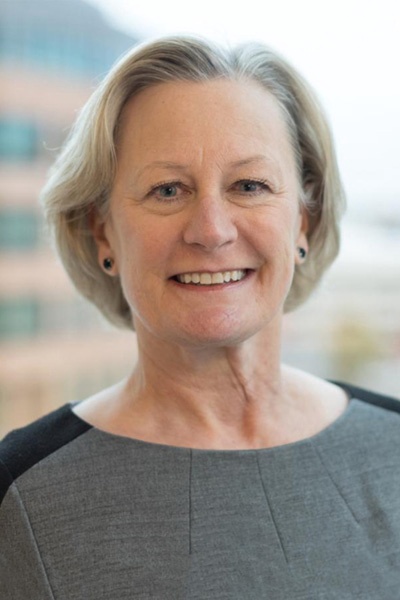
Julie Gralow
Oncologist
4
APPEARANCES
4
PODCASTS
Oct 5, 2026


Gevorg TamamyanHOST
If you are the decision maker for everyone and you can make the change, what are the top things you would change to make the world a more equal place or with less inequalities, I would say? If you have all the resources you think they're available right now, practically, how you would make the world a place with less inequalities?

Julie R. GralowGUEST
Big level and talking broader than just cancer and broader than just health care.
Julie R. GralowGUEST
I strongly believe that if we all traveled a bit more, reached out, met our neighbors in other countries, understood that for 99 plus percent of the world, we want the same base of things for our children and ourselves, right? We want health.
Julie R. GralowGUEST
We want food and shelter, right? I mean, 99 plus percent of the world, right? wants the same thing and are good people.
Julie R. GralowGUEST
So first, I really think it's important that we meet people from other cultures and contexts and countries, et cetera, so that we can work together and not just be, I want it for me, I want it for my own country, I want it for my own family, that we will work together to find a solution.
Julie R. GralowGUEST
I think within cancer, I think even within a lower middle resource country, there are clearly the haves and the have-nots.
Gevorg TamamyanHOST
Is there one story, I mean, I'm sure there are many, but one story which stays with you always, I mean, from your clinical work?

Kate DelaneyHOST
What does the proposal cut to NIH funding mean in practical terms, I guess, for patients being treated right now?

Julie GralowGUEST
Well, since the early 70s, pretty much every year we've had stable to slight increases in in the funding to the National Cancer Institute.
Julie GralowGUEST
Hasn't kept up with inflation, but we've had a strong federal investment in this research.
Julie GralowGUEST
If we have the cut that's been proposed in the presidential budget of about 12% to the NIH, this would stall that progress.
Julie GralowGUEST
It would immediately, in the short term, stall the clinical trials that are going on.
Julie GralowGUEST
So there would be less treatment options for patients who have already had all of the approved or recognized treatments for their cancer.
Julie GralowGUEST
And they're looking for newer treatments, the hope of a clinical trial that could help them and all of those who follow them.
Kate DelaneyHOST
Speaking of risks, just to pile on even more here to be concerned about, what areas of cancer research are probably most at risk if this federal funding is reduced?


Julie GralowGUEST
And then you have to report back and it just is tell us what you would do with this thousand dollars to promote breast cancer awareness we then added cervical cancer in africa because that it made sense to combine the two um what you would do to promote it and so they got grant writing training um they had the conduct and reporting of their project and then they got confidence they could apply for grants.
23 MINS LATER

Libby CollinsHOST
Tell us why this is such a Huge issue for people especially who are relying on Medicaid.
Julie GralowGUEST
Starting January 1st next year, 2027, for those who have been on Medicaid expansion, there will be a work requirement of 80 hours per month.
Julie GralowGUEST
There's about 1.24 million Wisconsin residents right now who are covered by Medicaid, a lot of them in the Milwaukee area.
Julie GralowGUEST
And what's different about this is with the work requirement, you will have to report not just once a year, but twice a year, and not just that you have a diagnosis of some kind of illness.
Libby CollinsHOST
If you've got several patients that are undergoing treatment who now require this extra work to be reported to Medicaid, how are you going to keep up?