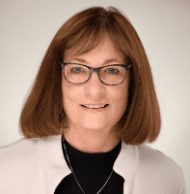
Julianna Burmesch
Former school principal and speech pathologist, child advocate, and author of the memoir Life With Less of Me about lifelong effects of childhood trauma.
3
APPEARANCES
3
PODCASTS
Sep 4, 2026


Julianna BurmeschGUEST
your body remembers what happened to you as a child and there's so much research coming out about how the stress chemicals such as cortisol is released from your brain during times of stress and that cortisol wears on your organs and your nervous system and you Carry that into your adulthood because the thing about trauma is that your body remembers it when you're older.
Julianna BurmeschGUEST
And every touch, every sound the child hears sends like fireworks throughout the brain, making connections to other parts of the brain.
Julianna BurmeschGUEST
And what happens is if those pathways, if the brain is used for touch and love and communication, those pathways when the child's three get solidified by something called myelin.
37 MINS LATER


Dave RobertsHOST
Can I ask you, was this a difficult process at times for you to writing the book?
Julianna BurmeschGUEST
The first time I sought help, I was getting help for claustrophobia because there's a story in the book that shows how an experience I had in my childhood affected me as an adult.
Julianna BurmeschGUEST
And Part of that process of getting help for claustrophobia, I met with a psychiatrist and did an inventory assessment.
17 MINS LATER
Dave RobertsHOST
What is the relationship that you've seen from your own personal life or from just research that you've done between childhood trauma and long-term physical and mental well-being?

Lily JonesHOST
And I would love to hear a little bit more about just, you know, what was that process like in terms of how you came back and thought about working with kids who are dealing with trauma themselves? Mm-hmm.
Julianna BurmeschGUEST
One thing... that i realized when i was a teacher is that you can't always be your best self all the time because we all have stresses in our lives um and sometimes if you are either in a dysregulated state or for me, sometimes when I'm triggered, I go into a fight or flight feeling and I don't have access to my logical brain.
Julianna BurmeschGUEST
Because what happens is I have very solid pathways to my limbic system, which is the emotional center of my brain.
Julianna BurmeschGUEST
When someone with childhood trauma or any kind of PTSD are when they're triggered, they lose access to the part of their brain responsible for logical thought.
Julianna BurmeschGUEST
So knowing that I made sure in when I was an early childhood principal, and I feel this is really important because it's not happening right now.
Julianna BurmeschGUEST
A principal's job, their job is to make sure learning is happening in the classroom.
10 MINS LATER