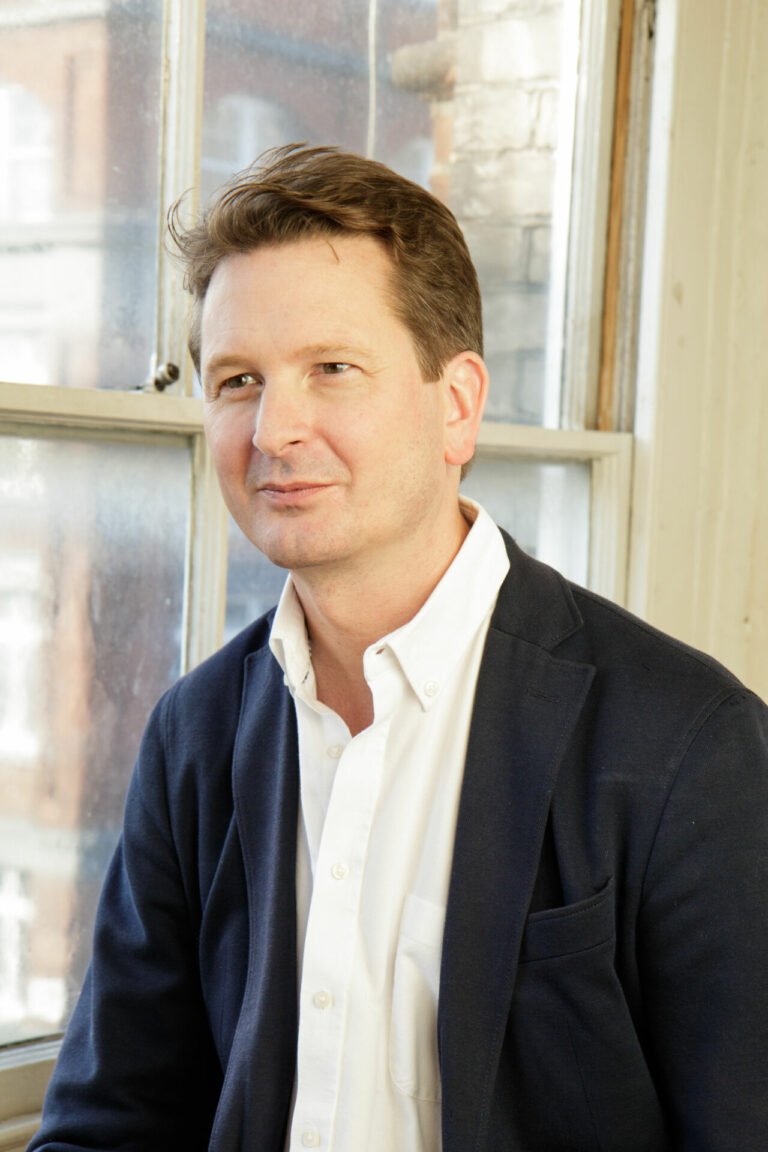
Julian Fisher
Author
4
APPEARANCES
4
PODCASTS
Sep 14, 2026


Julian FisherGUEST
A more effective targeting process means when you get to the point of trust-building, which broadly speaking is use of cover or storytelling and cultivation, it's more effective because you've got the targeting right.
Julian FisherGUEST
So step by step, y- you get a stronger and enhanced result, uh, the compound interest effect that I'm talking about, because you've, you've done the work initially on objectives.
Julian FisherGUEST
So one of the things I do on, um, workshops and, and, and in personal mentoring is to work with people on what their objectives are, and I have a model for that which in- which involves looking at your, um, your vision, your personal mission statement-
5 MINS LATER
Julian FisherGUEST
Um, and they, they, they're run over four, uh, well, evenings in UK time, 90-minute sessions on Zoom with recordings available if you can't make it to one, uh, uh, of those four sessions.
Julian FisherGUEST
The next one of those starts on the 30th of September, um, and the, and the booking link and all the details for that are, are on that website, theintelligencemaven.com.

Julian FisherGUEST
So let's start off by looking at the different categories or some of the different categories of intelligence work.
Julian FisherGUEST
There is something called OSINT, open-source intelligence, which it speaks for itself, the recovery of information perhaps through online means, which is then subjected to intelligence analysis.
Julian FisherGUEST
SIGINT, signals intelligence, or TECHINT, technical intercept, uh, which is perhaps the domain of GCHQ or the NSA in the United States, and requires a particular understanding and ability to manipulate technical capability.
Julian FisherGUEST
And then there's human intelligence, and human intelligence is the bit that really interests me.
6 MINS LATER

Chris CarrHOST
Do you think-- How do we, how do we, I suppose, um, unpack the ethics of influence? And also, um, are there ways to tell if somebody's trying to manipulate us?


Rhiannon NeadsHOST
Well, now that that's cleared up, shall we get on with it? Thailand, sometime in the early 2000s.
Julian FisherGUEST
So actually this all starts strangely enough in Phuket, where I was charged with dealing with the wife of a man who was working somewhere in West Africa.
Julian FisherGUEST
And this individual who worked in the mining sector had been arrested on suspicion of spying, and I had been approached with some colleaguesTo negotiate his release.
Julian FisherGUEST
Obviously his wife, who was based in Phuket, was beside herself with worry, and I had traveled there partly to give her reassurance and explain to her what we were doing to ensure his safety and security and to deliver him in sound body and mind in due course.
Julian FisherGUEST
So there I was in Phuket, in between swimming in the sea and reassuring an anxious wife, when I had a phone call.
Julian FisherGUEST
It was a bit of an unusual phone call, which asked me to travel at very short notice to another country in West Africa, not Gambia this time, but in the same region.
14 MINS LATER


Julian FisherGUEST
Um, had a background in, uh, uh, the Welsh Guards, I think I'm right in saying.
Julian FisherGUEST
Um, and then when he moved into the private sector, was involved in some of the early corporatized private security capabilities organizations.
52 MINS LATER