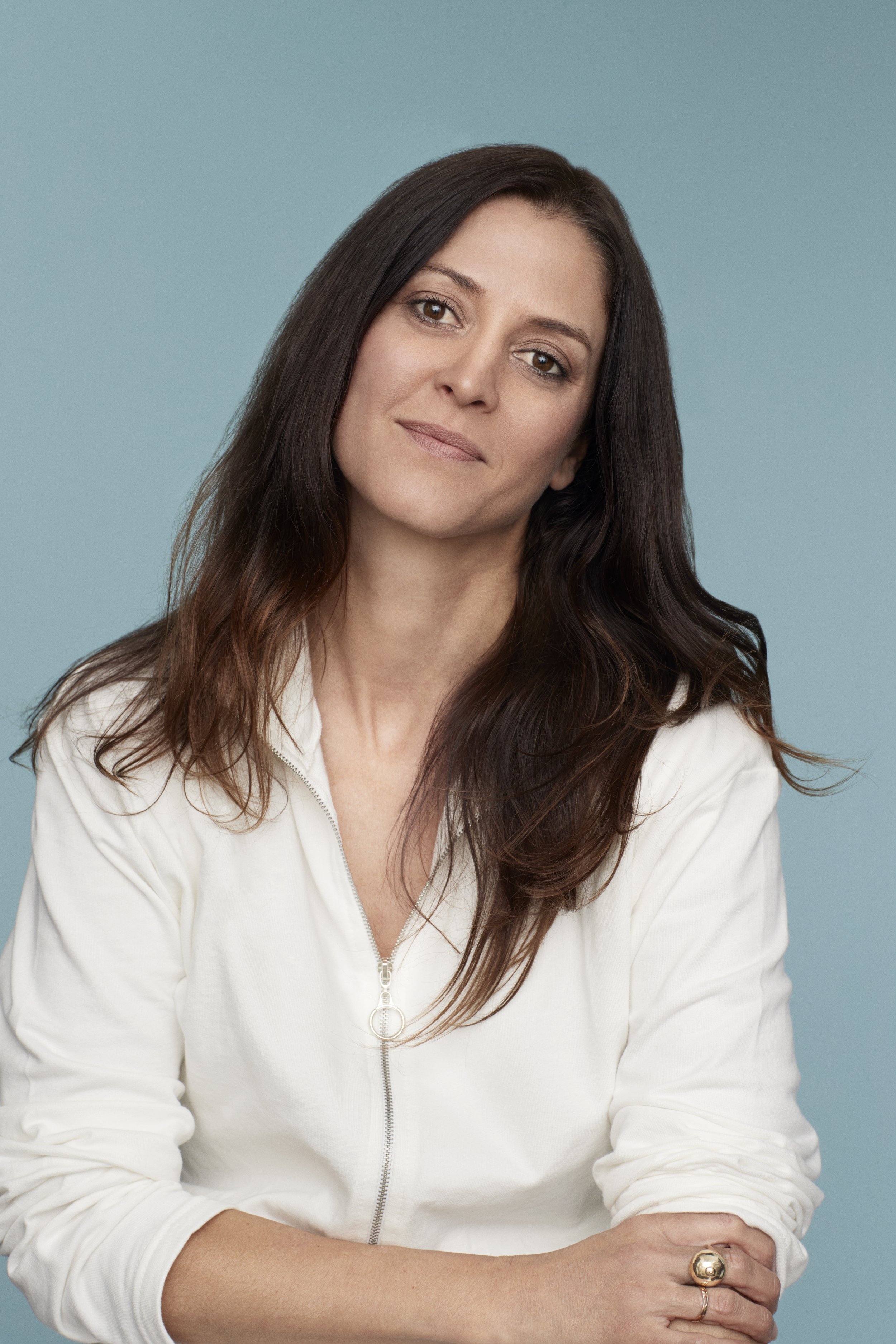
Julia Watson
Australian author
4
APPEARANCES
3
PODCASTS
Jun 17, 2026


Julia WatsonGUEST
One of those is the Madan floating islands that are found in the southern wetlands of Iraq.
Julia WatsonGUEST
It is a system of floating islands of a community that was once, um, half a million people before Saddam Hussein drained the southern wetlands of Iraq, uh, that turned that entire wetland system, which was one of the largest wetland systems in the Middle East into a desert.
Julia WatsonGUEST
That system has now been regenerated somewhat since that draining, and a lot of the community who were displaced have returned.
Julia WatsonGUEST
Um, but this community have lived there continuously for six and a half thousand years, and they create these islands out of a singular species of reed called the caspari.
Amanda SturgeonHOST
How do you see that sort of braiding of those two things coming together moving forward in the way that you've so beautifully articulated in your work and in your book?


Amy DeversHOST
I mean, maybe can you get a little more granular and take one specific system that we should be paying attention to right now that might... help with floods or fires or a lot of the sort of pressing concerns of the climate emergency?
Julia WatsonGUEST
One of the systems, and you find this type of system across the globe in all different types of wetland contexts, it's an aquaculture system.
Julia WatsonGUEST
These aquaculture systems, which are usually informal types of systems, one of them I'll talk about is the East Kolkata wetlands system.
Julia WatsonGUEST
This East Kolkata Wetlands, as you might be able to tell by the name, it sits on the fringes of the city of Kolkata in India.
9 MINS LATER
Julia WatsonGUEST
And that means, by definition, the cumulative body of multi-generational knowledge, practices, and belief systems of any community.
Julia WatsonGUEST
And in my line of work as a designer, architect, landscape architect, and an educator, I've I had been seeing within my profession a real homogenization of what we call technology and really a very US Eurocentric understanding of what technology means in the built environment.
Julia WatsonGUEST
However, I'd been always really fascinated with culture as I was talking about and had done a lot of travel being an Australian.
Julia WatsonGUEST
And really specifically had traveled to spaces where there was often multiple narratives or stories happening in that landscape.
14 MINS LATER


Julia WatsonGUEST
The first half of the book, it's quite similar to in terms of the structure, that it resembles low-tech, designed by radical indigenism.
Julia WatsonGUEST
So rather than different ecosystem types like the first book, this is water types.
6 MINS LATER