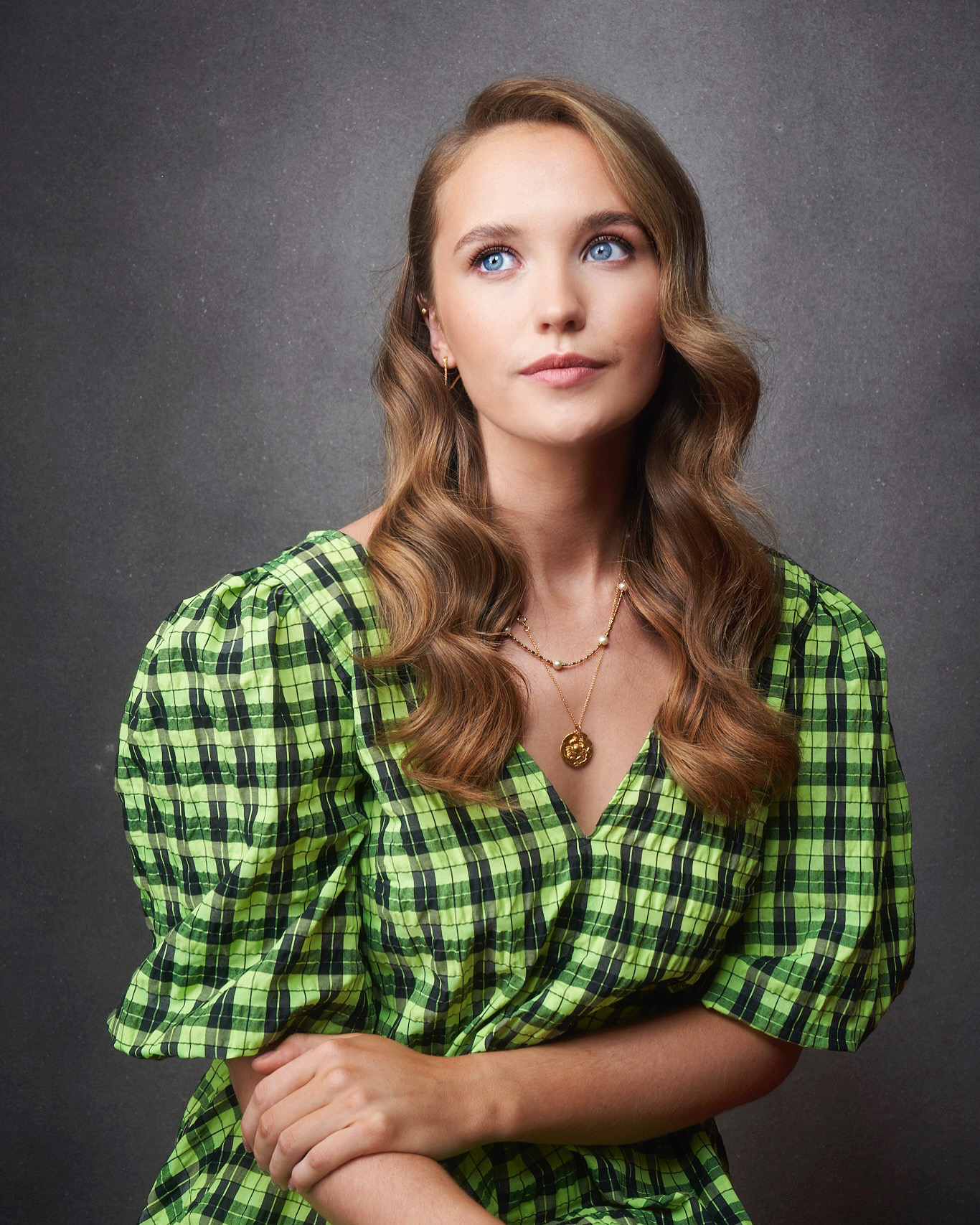
Julia Brown
Scottish actress and singer
5
APPEARANCES
4
PODCASTS
Sep 8, 2026


Julia BrownGUEST
We stopped in Crawford County at Steve Reinhard's farm, stopped in Fayette County down at Bluegrass Farms, and then we also stopped in Darke County at Mark Stuckey's farm.
Julia BrownGUEST
Um, appreciate all three of those locations giving us use of their space, uh, for the day.

Dusty SonnenbergHOST
How'd the tour go? And maybe some of the checkoff presentations that we heard.
Julia BrownGUEST
stopped in Fayette County down at Bluegrass Farms, and then we also stopped in Dart County at Mark Stuckey's Farm.
Julia BrownGUEST
Appreciate all three of those locations giving us use of their space for the day.
Dusty SonnenbergHOST
Obviously, you get Q&A that goes on during the presentations, but I'm curious, what was some of the side talk afterwards as you heard comments from farmers about the different topics that were covered within that, whether it's where we're seeing the use in Ohio or whether it's the soy foam or the international trade? What type of comments did you hear from folks?


Julia BrownGUEST
And a lot of it because we're sort of sitting in genomic space where even just looking at DNA tells you what something could potentially do, right? We can't even say with the sort of data that we're looking at that it's actually doing what it looks like it's probably doing.
Julia BrownGUEST
And I will say what I love about that particular study that was published in the New York Times where we looked at single-celled eukaryotes, so little protists.

SherryHOST
So walk us through how what you're doing connects to assignments, how the military can then maybe optimize best fit for the position.
Julia BrownGUEST
So at a high level, what we're doing is really building a richer understanding of both sides of the equation.
Julia BrownGUEST
That is on the side of the individual and a profile that reflects the various competencies, skills, experience, and qualifications that they have demonstrated over time.
Julia BrownGUEST
And then on the position side, we also define the capabilities required for successful performance.
Julia BrownGUEST
The system then takes those things and competencies provide that common language to do so and compares the profiles and identifies areas of alignments.
Julia BrownGUEST
So instead of asking traditionally, does this person belong to the right career field? It's how closely does this person's capability profile align with what this mission set and this position actually requires? So we surface all of that information within the assignments But we still, very importantly, rely on human judgment to be the final decision makers to evaluate this broader pool of candidates and uncover what the strong matches might be.
SherryHOST
How do you... balance that in the models that you're thinking of general competency leadership attributes versus specific skill competency?

Terry GertonHOST
So walk us through how what you're doing connects to assignments, how the military can then maybe optimize best fit for the position.
Julia BrownGUEST
So at a high level, what we're doing is really building a richer understanding of both sides of the equation.
Julia BrownGUEST
That is on the side of the individual and a profile that reflects the various competencies, skills, experience, and qualifications that they have demonstrated over time.
Julia BrownGUEST
And then on the position side, we also define the capabilities required for successful performance.
Julia BrownGUEST
The system then takes those things and competencies provide that common language to do so and compares the profiles and identifies areas of alignments.
Julia BrownGUEST
So instead of asking traditionally, does this person belong to the right career field? It's how closely does this person's capability profile align with what this mission set and this position actually requires? So we surface all of that information within the assignments But we still, very importantly, rely on human judgment to be the final decision makers to evaluate this broader pool of candidates and uncover what the strong matches might be.
Terry GertonHOST
How do you balance that in the models that you're thinking of? General competency, leadership attributes versus specific skill competency?